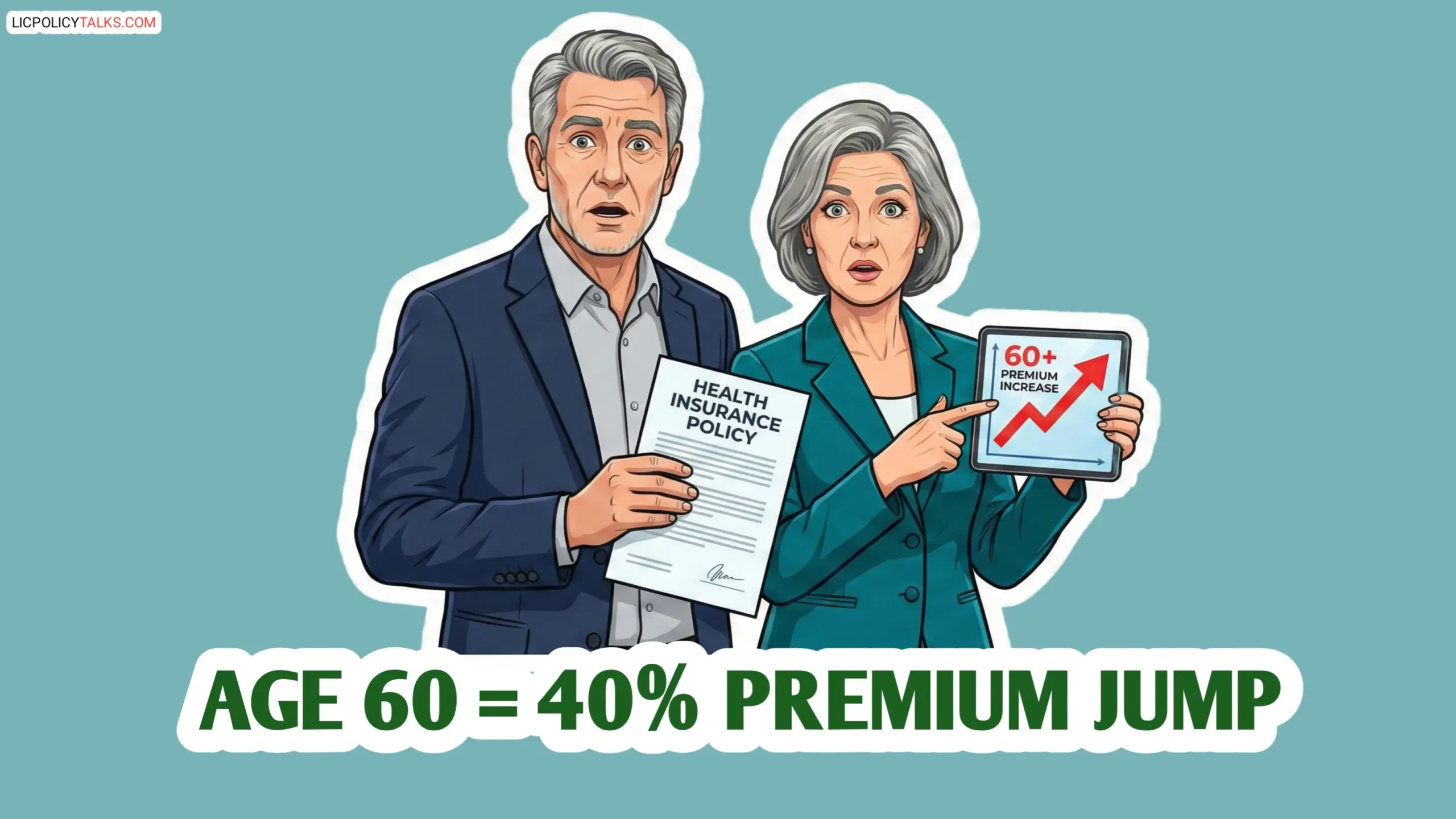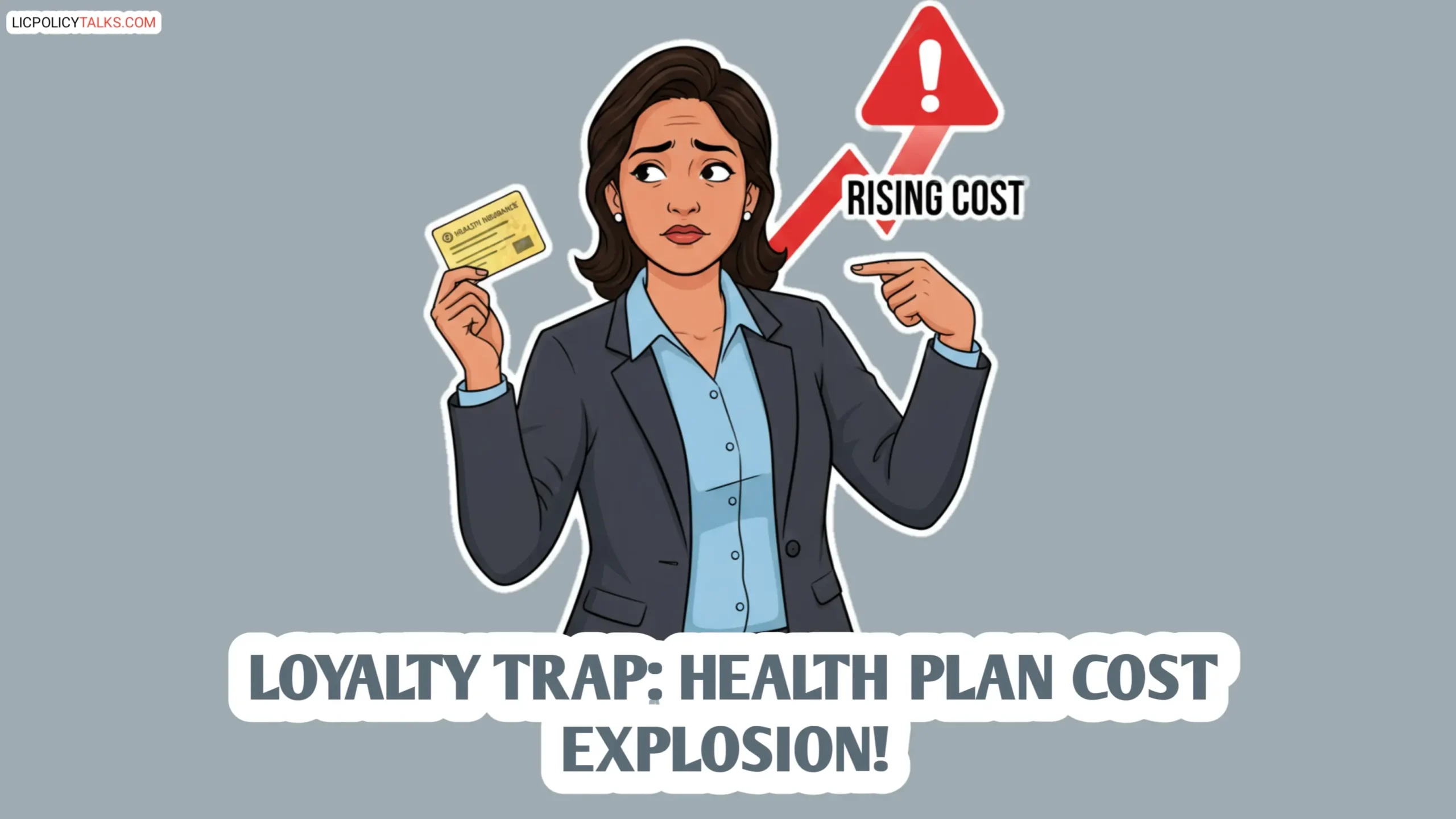
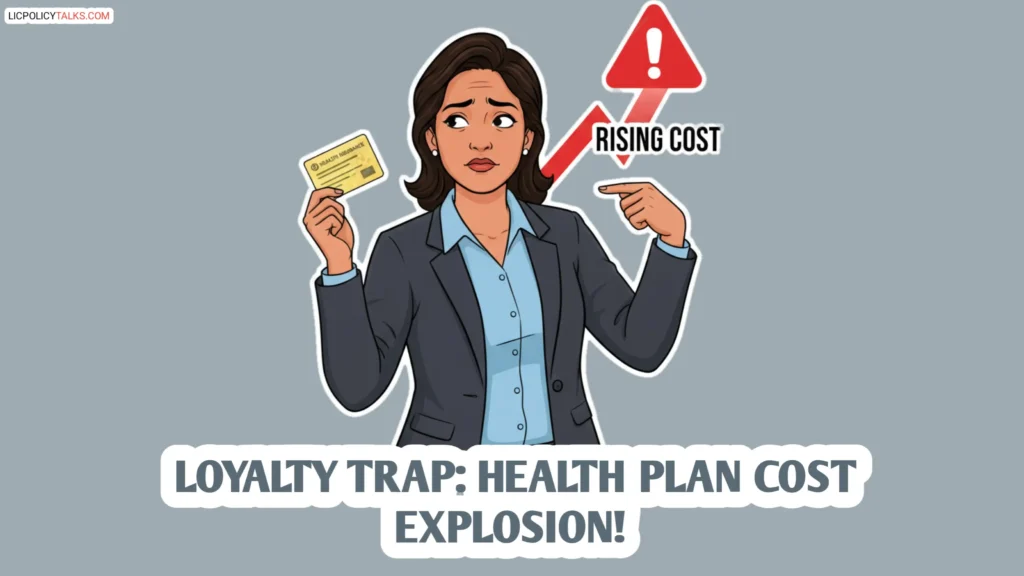
Hi friends! Have you ever opened your yearly health insurance renewal notice and felt your stomach drop? You’ve been a loyal customer for years, paying on time, and suddenly there’s a huge premium hike. It feels unfair, right? You’re not imagining things. There’s a hidden mechanism in the insurance market designed to quietly penalize loyalty, and by 2026, it could cost you up to 40% more for the same coverage. Today, we’re pulling back the curtain on the legacy pool death spiral and showing you exactly how to break free from this loyalty trap.
This isn’t just about random price increases. It’s about a calculated financial penalty for staying put. The Legacy Pool Death Spiral is a real, documented cycle that accelerates costs for long-term members. Understanding it is your first and most powerful step toward taking control of your healthcare spending and escaping the trap.
Your Loyalty is Being Weaponized: What is a ‘Legacy Pool’?
Let’s break this down in simple terms. A legacy pool is essentially a group of long-term policyholders that an insurer groups together for risk assessment. Think of them as the “old guard” – customers who have been with the same company for five, ten, or even fifteen years.
Insurers create a separate “new business pool” where they place all their shiny, new customers. To attract these newcomers, they offer competitive, often lower, introductory rates. This separation lets insurers maximize profits from their captive, loyal audience while aggressively competing for new market share. It’s like your cell phone carrier offering an amazing deal to a new customer while you, the loyal user, keep paying the old, higher rate. This growing practice is reshaping the entire market landscape. [Legacy Pool Analysis]
So, why does this happen? For insurers, it’s a risk and profit calculation. They know long-term customers are less likely to shop around due to inertia, complexity, or fear. This captive audience becomes a reliable revenue stream that can be gently (or not-so-gently) squeezed each year with higher premiums.

The Vicious Cycle: How the ‘Death Spiral’ Accelerates Your Costs
Okay, so we have two separate pools. But how does that turn into a healthcare cost spiral? This is where the “death spiral” kicks in, and it’s a vicious, self-feeding cycle. Let’s walk through the steps.
First, the insurer raises premiums in the legacy pool. It might be a 10-15% hike. This makes the healthier, more cost-conscious members in that pool start shopping around. They find better deals in the new business pools and switch plans.
Second, this migration is crucial. When the healthier people leave, who’s left in the legacy pool? A higher concentration of members who, statistically, need more medical care. This is called “adverse selection” – the pool becomes sicker and more expensive on average.
Third, the insurer looks at this now-sicker pool at the end of the year. They see higher-than-expected claims costs. So, what do they do? They raise premiums again for the next year to cover those costs, often by another 10-15%. The single biggest fuel for the legacy pool death spiral is inertia – the decision to not shop around and switch. This cycle of hikes, migration of healthy members, and further hikes repeats, accelerating costs at a frightening pace. It’s a well-documented economic mechanism. [Insurance Death Spiral]
The 2026 Tipping Point: Why This Year is Different
You might think, “Haven’t premiums always gone up?” Yes, but 2026 is shaping up to be a perfect storm. Several powerful forces are converging: pent-up demand for healthcare post-pandemic, rising medical inflation, and specific regulatory changes. These factors are supercharging the rising health plan costs for 2026.
The chart above tells the story. Starting from the same point in 2022, the legacy pool line (in red) shoots up dramatically. The cumulative effect of those annual 10-15% hikes means that by 2026, the total cost disparity between the two pools is projected to reach a staggering 40%. [2026 Premium Projections] This isn’t a minor difference; it’s a financial chasm. If you’re in a legacy pool, you’re essentially funding the discounts for new customers.
The Employer-Sponsored Trap: Why You Feel So Stuck
If you get your insurance through work, this whole situation can feel even more frustrating. This is the classic employer-sponsored insurance trap. You’re presented with a limited menu of plans during your brief open enrollment window. Comparing them feels complex and confusing.
There’s often an unspoken pressure to stick with the “company plan.” You might worry about losing coverage for pre-existing conditions or fear that venturing outside your employer’s offering is too risky. This environment – limited choice, complexity, and fear – is the perfect petri dish for a legacy pool to form and spiral out of control. Your loyalty to your employer’s chosen insurer is being financially penalized. Research confirms this feeling of being trapped is widespread. [Employer Sponsor Trap]
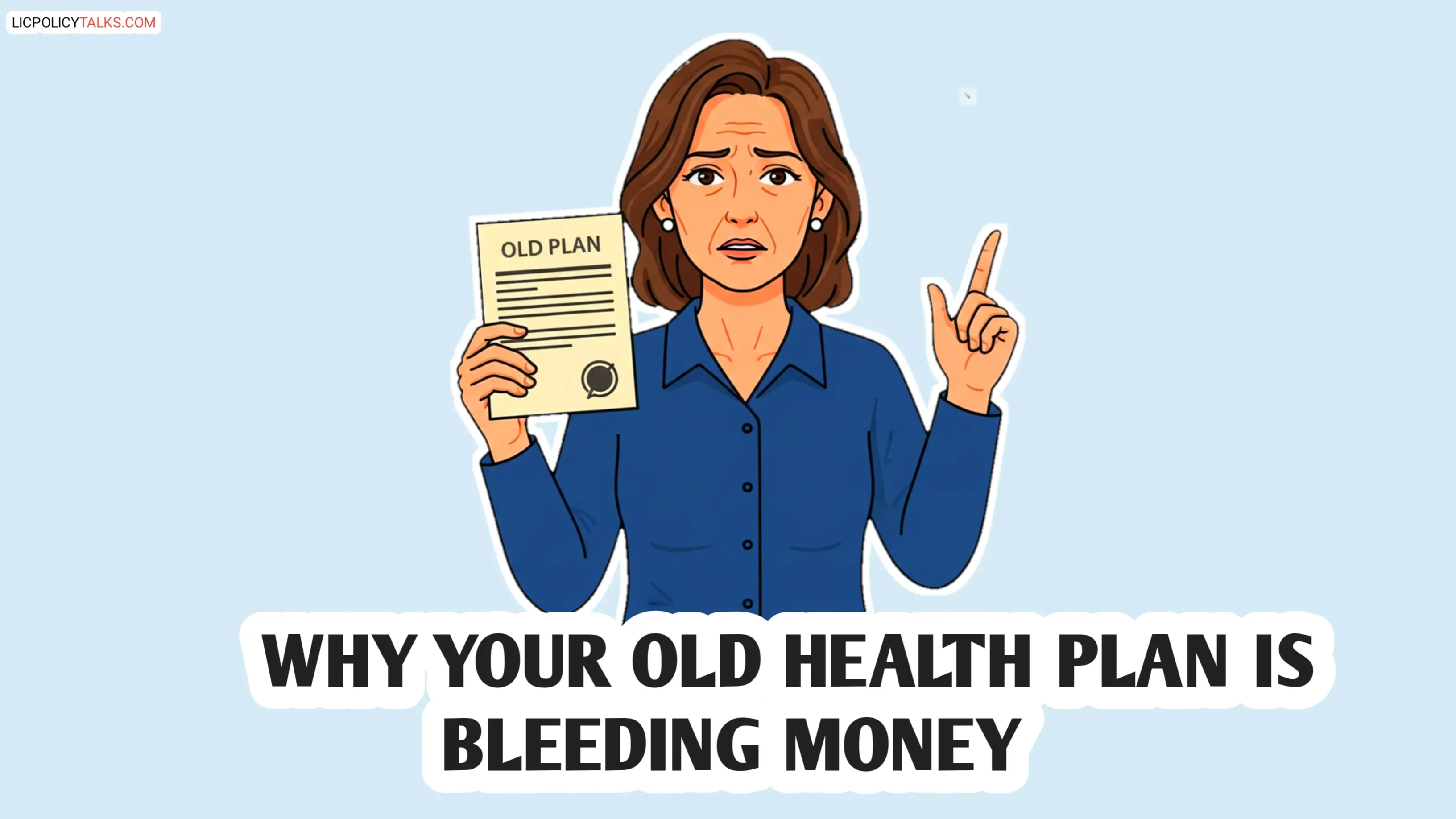
The Escape Plan: 5 Steps to Break Free from the Loyalty Trap in 2026
Enough about the problem. Let’s talk about your escape route. Breaking free from the health insurance loyalty trap is not only possible, it’s a financially savvy move. Here’s your 5-step action plan.
Step 1: Audit Your Current Plan. Don’t just glance at the premium. Know your deductible, co-pays, co-insurance, and out-of-pocket maximum. Understand exactly what you’re paying for.
Step 2: Mark Your Calendar. Your escape hatch is Open Enrollment. For employer plans, it’s usually a 2-4 week period in the fall. For individual plans (like on the ACA marketplace), it’s typically November 1 to January 15. Set a reminder!
Step 3: Shop Beyond Your Employer’s Offer. This is key. Even if you have a company plan, check the ACA marketplace (Healthcare.gov) or private exchanges. You might find a better deal, especially if you qualify for subsidies.
Step 4: Compare Apples to Apples. Don’t just look at the monthly premium. Compare the networks (are your doctors in-network?), the coverage details, and the total potential cost (premium + deductible + max out-of-pocket).
Step 5: Consult an Independent Broker. Their job is to shop the market for you, for free. They can navigate the complexity, explain your options, and help you find the best value plan that fits your specific health and financial needs.
Legacy Pool vs. New Business Pool: A Side-by-Side Comparison
Let’s quickly recap the core differences between these two worlds. This table summarizes the old vs new health insurance dynamic perfectly.
| Feature | Legacy Pool (The Trap) | New Business Pool (The Escape) |
|---|---|---|
| Typical Customer | Long-term member (5+ years) | New customer (0-2 years) |
| Premium Trend | Increasing 10-15% annually | Lower introductory rates, slower increases |
| Risk Profile | Concentrated, often sicker | Diversified, often healthier |
| Insurer Incentive | Maximize revenue from captive base | Acquire new market share |
| Your Best Move | Proactive comparison & switch | Lock in good rates, stay informed |
FAQs: ‘healthcare cost spiral’
Q: If I switch plans, will my pre-existing conditions be covered?
Q: Isn’t it risky to leave my employer’s group plan?
Q: How often should I realistically shop for a new health plan?
Q: Can my insurer legally charge me more just for being a long-term customer?
Q: What’s the single most important thing I can do during Open Enrollment?
Conclusion: Don’t Be a Passive Passenger on a Sinking Ship
Let’s be honest: loyalty in today’s health insurance market is often a financial penalty. The Legacy Pool Death Spiral is a real mechanism designed to extract maximum value from customers who don’t question their annual renewal. But you are not powerless.
Awareness is your lifeboat. Now that you understand the trap, you can avoid it. Use the 5-step plan before your next renewal or Open Enrollment. Switching health plans isn’t disloyal; it’s smart financial management. Don’t be a passive passenger on a sinking ship. Take the wheel, compare your options, and steer toward savings. The broader market failure that punishes loyalty is real, but you have the power to opt out.