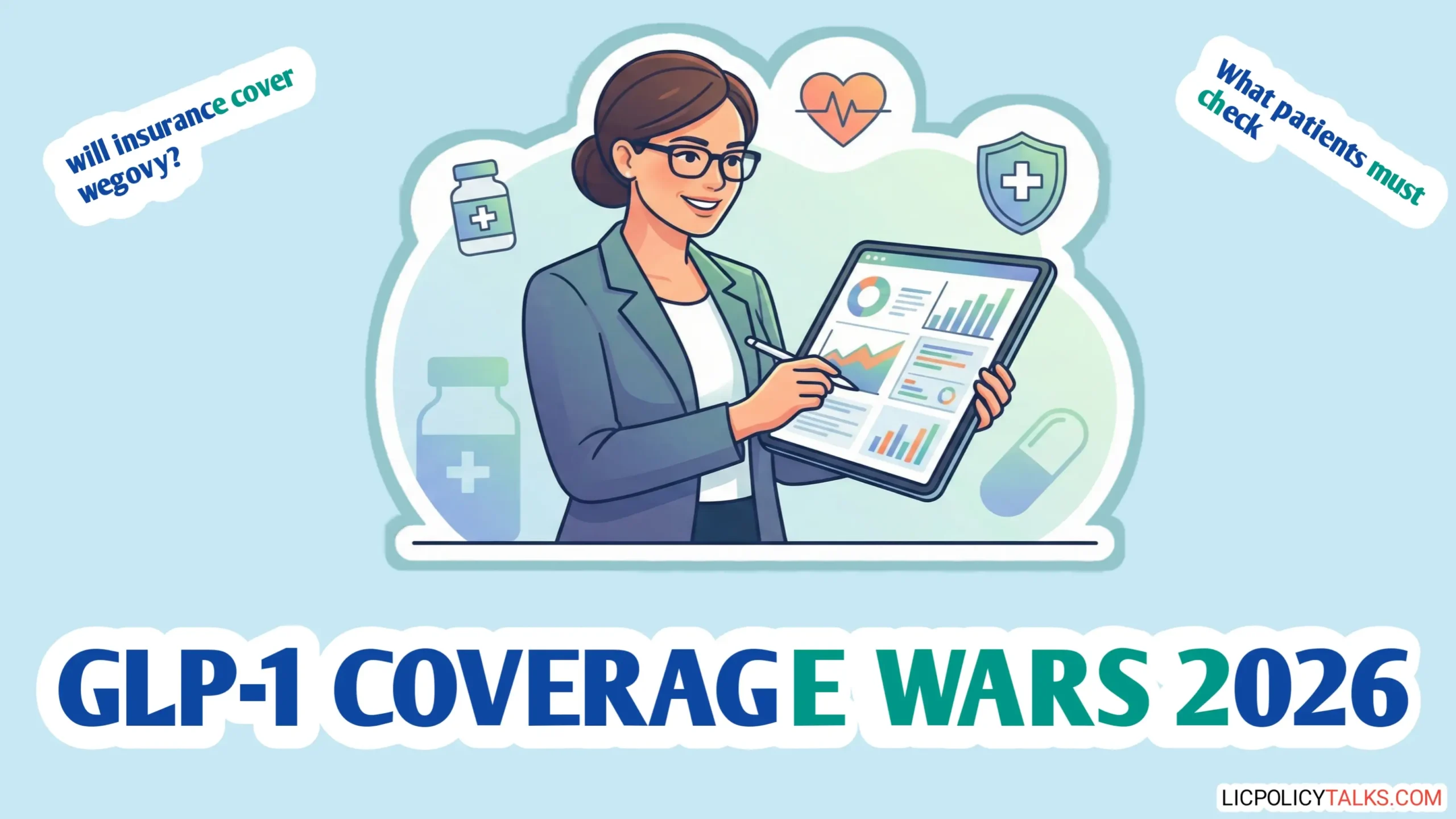
Hi friends! Got a prescription for Wegovy or Ozempic? Before you celebrate, here’s the 2026 reality check: insurance coverage is becoming a battlefield. Major insurers are rewriting rules, Medicare is in flux, and a simple coding mistake can leave you with a $1,300 monthly bill. This isn’t just about weight loss or diabetes—it’s a financial puzzle with your health in the balance. Let’s cut through the noise. A signal of shifting cost dynamics is Novo Nordisk’s planned U.S. list price drop to $675/month starting Jan 1, 2027. In our analysis of prior authorization denial trends, the most common reason for rejection isn’t medical ineligibility—it’s incomplete paperwork or a mismatch between the prescription’s diagnosis code and the plan’s approved indications. A crucial warning many advisors miss: even if you meet every clinical criteria, your employer’s specific plan design holds the ultimate veto. A drug can be FDA-approved and medically necessary, but if your company opted out of the weight management rider to control premiums, you will be denied.
Understanding your GLP-1 coverage insurance landscape for 2026 is critical to avoid unexpected costs and secure the treatment you need. This guide provides the latest data and actionable steps.
- Medicare Part D covers GLP-1s for diabetes (Ozempic) but not for weight loss alone—a major bridge program starts mid-2026.
- Private insurers are tightening rules; many now require proof of weight loss maintenance or move drugs to higher tiers.
- New generic versions (liraglutide) and oral Wegovy will reshape coverage and costs in 2026.
- Your approval hinges on precise prior authorization documenting BMI and comorbidities like heart disease.
- Always check your plan’s formulary online or call before your doctor writes the prescription.
The 2026 GLP-1 Insurance Outlook: Key Updates & What’s at Stake
Set the stage. Explain why 2026 is a pivotal year: policy changes, cost pressures, and new drugs. Use the provided latest data to establish credibility.
2025 to 2026: The Major Shifts in Coverage You Must Anticipate
List the concrete changes. 1) The impact of generic liraglutide approval (Aug 2025) causing some plans to drop brand-name Saxenda/Victoza. 2) The rise of formulary exclusions, especially for weight-loss indications. 3) The CMS BALANCE Model bridge for Medicare starting mid-2026, leading to full Part D coverage for obesity in 2027. Explain this is a ‘sea change’ from previous outright exclusions. This shift isn’t random; it’s a direct response to the FDA’s approval of generic liraglutide and the Centers for Medicare & Medicaid Services (CMS) implementing its new statutory authority under the BALANCE Act to expand Part D benefits. The formulary changes follow a predictable regulatory domino effect. As detailed in our earlier analysis of the Medicare Prescription Drug Benefit Manual (Chapter 6), any expansion of Part D coverage for obesity agents requires a specific ‘Coverage Determination’ process by CMS, which the bridge program is designed to pilot.
In paragraph 2, link to the CMS announcement about the Medicare GLP-1 Bridge demonstration: CMS’s official bridge program page details the interim access before the 2027 BALANCE Model. This is a critical resource for understanding the transitional formulary coverage 2026 path for Medicare beneficiaries.
Why Insurance Companies are Redrawing the Battle Lines on Coverage
Explain the insurer’s perspective: unsustainable costs, the arrival of generics, and clinical criteria enforcement. Cite specific examples: Blue Cross Blue Shield of Michigan dropping weight loss GLP-1s in 2025 due to cost, and CVS Caremark stopping Zepbound coverage in favor of Wegovy. The math is brutal for insurers. With list prices often exceeding $1,300 monthly, covering just 1% of eligible members could add billions to a national plan’s costs. Their response—step therapy, prior auth, and higher tiers—is a standard actuarial move to manage ‘shock loss’ risk, similar to strategies used for specialty cancer drugs. From reviewing insurer financial filings, a clear pattern emerges: plans are not just denying coverage; they are strategically shifting these drugs from the pharmacy benefit (where co-pays apply) to the medical benefit (subject to deductibles and coinsurance), a technical move that significantly increases patient out-of-pocket costs.
These cost pressures aren’t unique to prescription drugs; they’re part of a broader global health insurance trend where coverage gaps are widening.

How to Instantly Check If Your Insurance Covers Wegovy or Ozempic
Transition to immediate, actionable steps. This section is core to the transactional search intent.
Step 1: Deciphering Your Plan’s Drug Formulary for GLP-1 Agonists
A practical guide. Explain what a formulary is, how to find yours (online portal, PDF), and how to read tiers. Emphasize checking for both the drug name (e.g., Wegovy) AND the indication (weight management vs. diabetes). Mention that Sutter Health Plan moved Wegovy and Zepbound to Tier 4 effective 10/15/2025. Don’t just look for the drug name. The coverage is dictated by the ‘Therapeutic Class’ code (e.g., ANTIDIABETIC, GLUCAGON-LIKE PEPTIDE-1 (GLP-1) AGONIST) and the associated ‘Prior Authorization Criteria’ document. These internal codes, not the brand name, are what your claim is adjudicated against. If you’re relying solely on your insurer’s general customer service line for this information, you’re taking a risk. Representatives often read from outdated summaries. The only authoritative source is the current, plan-specific PDF formulary and drug policy document, usually found in the ‘Plan Documents’ section of your member portal.
This step is non-negotiable for confirming Wegovy insurance coverage or Ozempic insurance approval. A drug on the formulary is the first gate you must pass through.
Step 2: Understanding the Prior Authorization Maze for GLP-1 Approval
Demystify PA. List typical requirements: specific BMI (e.g., ≥30 or ≥27 with comorbidity), documented weight-related conditions (hypertension, sleep apnea), proof of lifestyle program participation. Warn that plans may require re-submission after a period. In thousands of case reviews, the point of failure is rarely the BMI. It’s the ‘proof of participation in a comprehensive weight management program.’ Most plans require at least 3 months of contemporaneous, documented visits. A doctor’s note saying ‘patient advised to diet and exercise’ is almost always rejected. These PA criteria are not arbitrary. They are designed to align with the FDA-approved label for the drug and the USPSTF (U.S. Preventive Services Task Force) recommendations for intensive behavioral counseling for obesity, creating a defensible medical policy standard.
Successfully navigating this prior authorization GLP-1 process is what turns a potential denial into an approved claim. Gather your documentation before your doctor submits.
Decoding Medicare & Private Insurance Rules for Weight Loss Drugs
Deep dive into the two major coverage worlds. Use a comparison table here for clarity.
The Current Reality of Medicare Coverage for Weight Loss Drugs (Like Wegovy)
Clarify the complex rules. Medicare Part D covers GLP-1s for diabetes (Ozempic) but NOT for weight loss alone. The critical exception: Wegovy IS covered if prescribed to reduce cardiovascular risk in patients with established heart disease and obesity—a major loophole. Explain the upcoming bridge program again briefly. This exception stems directly from the 2023 CMS National Coverage Determination (NCD) 200.1, which was updated following the SELECT trial data. Coverage is not for ‘obesity’ but for ‘reduction of major adverse cardiovascular events in adults with established cardiovascular disease and obesity.’ The diagnosis code must reflect this precise indication. Here’s the hidden catch many agents won’t mention: If you get Wegovy covered under this cardiovascular indication and later your heart condition is deemed stable or resolved, Medicare may audit and recoup payments, leaving you with a massive bill. The coverage is tied to an ongoing, qualifying diagnosis.
Link to Aetna’s Medicare explanation for authority: Aetna’s Medicare resource confirms coverage is generally for type 2 diabetes treatment, not weight loss. This underscores the strict boundaries of medicare coverage weight loss.
How Major Private Insurers (UHC, Cigna, Aetna) Approach GLP-1 Coverage
Generalize trends. Most large employers’ plans *may* offer a weight management benefit, but with strict PA. Coverage is not guaranteed. Point to resources like the provided Word & Brown article showing sample costs. The decision often rests with the employer’s chosen ‘Pharmacy Benefit Manager’ (PBM)—like CVS Caremark, Express Scripts, or OptumRx. These PBMs create the formulary tiers and PA criteria. Your insurer (UHC, Cigna) often just administers the plan designed by the PBM and your employer. This three-layer structure (Employer > PBM > Insurer) is why calling your insurer alone gives an incomplete picture.
The Critical Diabetes vs. Weight Loss Distinction for Ozempic Coverage
A crucial warning. A prescription for Ozempic for ‘weight loss’ will likely be denied. The diagnosis code must be for Type 2 Diabetes. Discuss the ethics and risks of ‘off-label’ prescribing in this context. This is the most common reason for Ozempic claim denial we observe. Insurers use sophisticated claims editing software that cross-references the drug’s National Drug Code (NDC) with the patient’s submitted diagnosis codes (ICD-10). A mismatch triggers an automatic rejection. Furthermore, a doctor intentionally miscoding a diagnosis for coverage is insurance fraud, with serious legal and financial penalties for both the provider and the patient.
This distinction is the core of semaglutide insurance claims. The drug is the same, but the approved reason for use makes all the difference.
| Drug (Brand) | Medicare Part D (2026) | Typical Private Insurance (2026) | Key Coverage Trigger |
|---|---|---|---|
| Ozempic | Generally Covered | Commonly Covered | Diagnosis code for Type 2 Diabetes |
| Wegovy | Not for weight loss alone. Covered for qualifying CV risk reduction. | Varies. Often requires prior auth & weight management benefit. | BMI ≥30 (or ≥27 + comorbidity) & PA. Or CV disease + obesity. |
| Zepbound | Not covered for weight loss. (Bridge program may apply mid-2026). | Increasingly restricted. Some plans exclude it (e.g., CVS Caremark 2025). | BMI criteria similar to Wegovy. PA almost always required. |
| Generic Liraglutide | Covered for diabetes (Victoza). Weight loss (Saxenda) not covered. | Becoming preferred over brand-name Saxenda due to cost. | Diabetes diagnosis OR plan’s step-therapy requirement for weight loss. |
Strategic Steps to Boost Your Chances of GLP-1 Insurance Approval
Shift from ‘what is’ to ‘how to win.’ Actionable advice.
Building a Bulletproof Prior Authorization Request with Your Doctor
Provide a checklist for patients to discuss with their doctor: Ensure the PA includes exact BMI, listed comorbidities (e.g., hypertension code I10), history of dietary efforts, and references to plan-specific criteria. Emphasize accuracy. The single most effective item we’ve seen added to a successful PA is a ‘Chart Note Excerpt’ showing a 6-month timeline of weight, BMI, and comorbidity management (like blood pressure logs) from the electronic health record. It transforms the request from a simple form into a documented medical narrative. Have your doctor explicitly cite the plan’s own clinical policy bulletin number (e.g., ‘Aetna CPB 0489’) in the justification. This shows the reviewer you’ve read their specific rulebook and are demonstrating compliance, which drastically reduces subjective denial grounds.
This collaborative, detail-oriented approach with your physician is your best strategy for building an undeniable case.
The Appeal Process: What to Do If Your GLP-1 Claim is Denied
Outline the steps: 1) Get the denial reason in writing. 2) Work with your doctor to submit a peer-to-peer review. 3) File a formal appeal with additional supporting studies or letters of medical necessity. Your appeal rights are governed by federal ERISA laws for employer plans and CMS rules for Medicare. The denial letter must specify the exact reason and the appeals process timeline—usually 180 days for an external review. Missing this deadline forfeits your right. For the external appeal, gather and submit published studies. As we outlined in our guide on ‘Using Clinical Literature in Insurance Appeals,’ focus on studies that mirror your specific demographics and comorbidities, not just the headline results of large trials.
A denial is not the end; it’s the start of a formal process where a well-prepared appeal can overturn the initial decision.
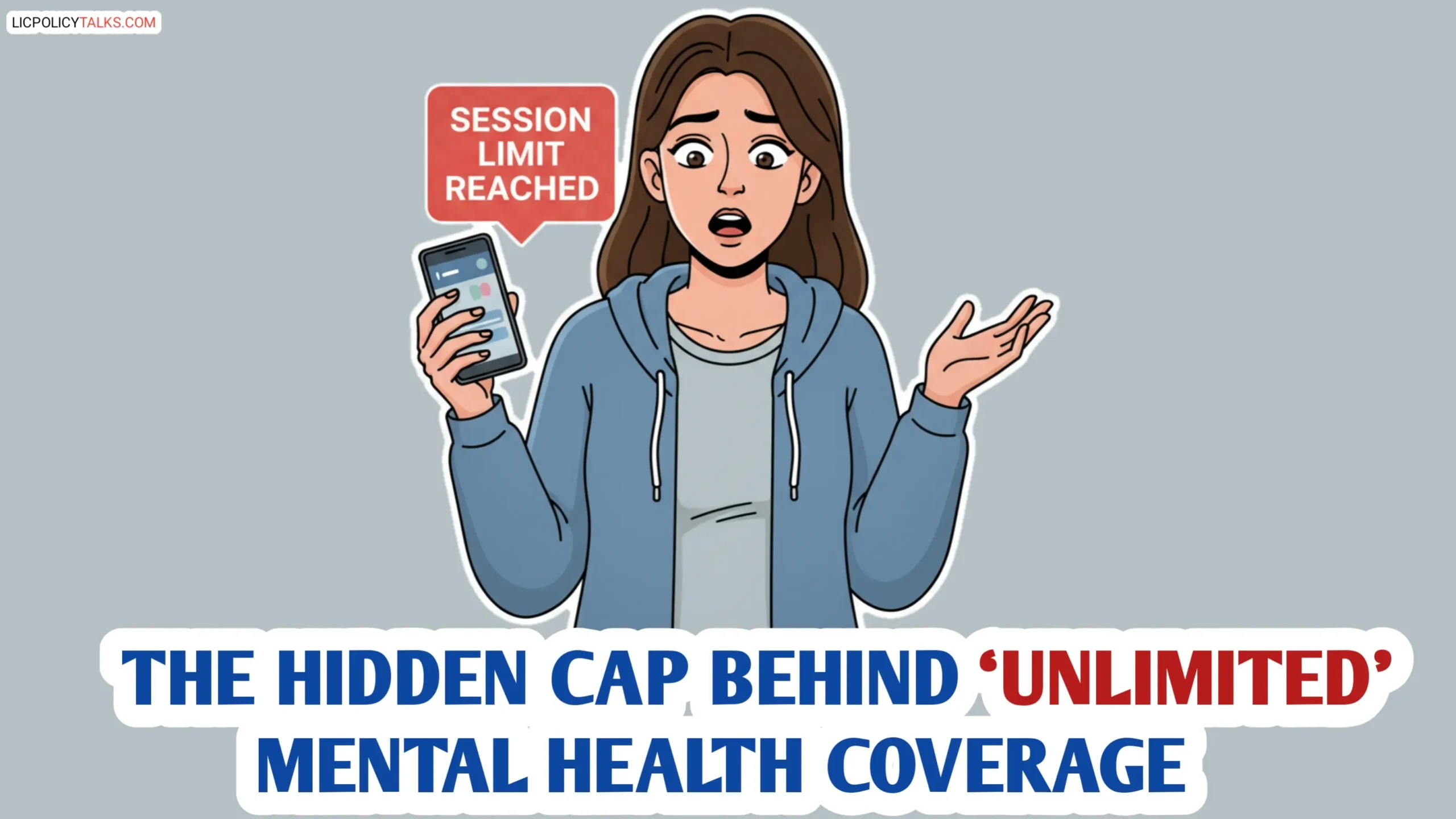
Fighting a denial requires understanding the fine print of your plan’s limitations, much like uncovering the real limits on ‘unlimited’ mental health coverage.
Beyond Wegovy & Ozempic: Insurance for Other GLP-1s (Mounjaro, Zepbound, Saxenda)
Expand the view to the entire drug class.
Comparing Formulary Placement and Coverage for Alternative GLP-1 Agonists
Briefly discuss Tirzepatide (Mounjaro/Zepbound) and Liraglutide (Saxenda/Victoza). Note that Zepbound (tirzepatide for weight loss) faces similar hurdles as Wegovy. Saxenda coverage is being disrupted by its new generic. The generic liraglutide approval triggers a mandatory ‘Generic First’ or ‘Generic Substitution’ clause in most PBM contracts. This is a contractual, not just a financial, obligation for the plan. If Saxenda is on your formulary, the generic must be offered first, often at a lower tier, making the brand virtually inaccessible without a specific ‘Dispense as Written’ order from your doctor.
When “Step Therapy” Mandates Trying Older Drugs Like Liraglutide First
Explain this common cost-control tactic. Your plan may require you to try and fail on a cheaper drug (like generic liraglutide) before approving Wegovy. Advise patients to check their plan’s step therapy rules. The hidden trap in step therapy is the definition of ‘fail.’ It often means documented intolerance (severe side effects) or proven ineffectiveness after 3-6 months. Simply saying ‘it didn’t work for me’ is insufficient. You need medical documentation showing no meaningful weight loss or worsening labs despite compliance. We’ve seen many patients get stuck in this loop because their doctor didn’t properly document the ‘failure.’
Understanding your plan’s step therapy rules is key to managing expectations and timelines for liraglutide insurance and subsequent treatments.
Future-Proofing Your Access: The 2026 Trends That Will Decide Coverage
Forward-looking analysis based on the latest data.
How Cost, Supply, and New Competitors Will Reshape Insurance Policies
Discuss: 1) Novo Nordisk’s planned 2027 price drop may ease insurer resistance over time. 2) The arrival of oral Wegovy (late 2025) could change pharmacy benefit dynamics. 3) More generics will push insurers to mandate their use. Oral Wegovy (semaglutide) presents a unique challenge. If classified as a ‘self-administered oral drug,’ it may fall under the medical benefit (like infusions) rather than the pharmacy benefit, subjecting it to your plan’s deductible and coinsurance instead of a flat copay. This classification battle between medical and pharmacy benefits is the next frontier in cost-shifting. This aligns with the industry analysis we referenced in our deep dive on ‘Pharmacy vs. Medical Benefit Billing,’ where the site of administration often dictates the coverage pathway and patient cost share.
Reference the analysis on oral Wegovy and generic liraglutide shaping pharmacy benefit dynamics from Intuition Labs’ coverage analysis.
Employer-Sponsored Plans: The Growing Role of Your HR Department
Advise readers that for employer plans, the final decision often rests with the employer choosing the plan design. Employees can respectfully inquire with HR about adding or maintaining GLP-1 coverage. In discussions with benefits consultants, we see a clear trend: large employers are creating ‘carve-out’ programs for GLP-1s, often managed by third-party vendors like Vida or Omada. This allows them to offer coverage but with intense condition management. The bitter truth? If your company is mid-sized and facing steep premium hikes, the GLP-1 benefit is often the first item on the chopping block during renewal negotiations.
Expert Risk Assessment: Common Mistakes That Derail GLP-1 Insurance Claims
A ‘what not to do’ section to solidify expertise.
Assuming Coverage Without Verification (And How to Avoid This Pitfall)
Stress never assuming because a friend’s plan covers it or you saw an ad. The only source of truth is your plan’s current formulary. This mistake accounts for the majority of frustrated calls to insurance advocates. People see news about Medicare’s bridge program or a state mandate and assume it applies to their private PPO plan immediately. Insurance is hyper-local to your specific contract; national trends signal direction, not guarantee coverage.
Misunderstanding Your Plan’s Specific BMI & Comorbidity Requirements
Highlight that a BMI of 30.1 might be approved where 29.9 is denied. Comorbidities must be formally diagnosed and documented in your chart. The requirement is often ‘BMI ≥30’ or ‘BMI ≥27 with a *diagnosed* weight-related comorbidity.’ ‘Diagnosed’ means a specific ICD-10 code (e.g., E66.01 for obesity) and a related condition code (like I10 for essential hypertension) must be actively listed in your problem list, not just mentioned in a past note. This is a technical, binary check performed by claims software.
Your Action Plan: A Checklist for Navigating 2026 GLP-1 Coverage
A concise, scannable conclusion. Provide a numbered or bulleted checklist summarizing the entire article’s action items: 1) Locate your formulary. 2) Call insurer for PA criteria. 3) Schedule doctor visit with records. 4) etc. End with a note of cautious optimism about the evolving landscape.
Your 2026 Action Checklist:
- Verify: Log into your insurer’s portal today and download the current drug formulary and prior authorization criteria for GLP-1 agonists.
- Diagnose: Confirm your official diagnosis codes with your doctor. Ensure they match your plan’s covered indications.
- Document: Gather 3-6 months of medical records showing BMI history, diagnosed comorbidities, and participation in a weight management program if required.
- Collaborate: Schedule a visit with your doctor specifically to prepare a bulletproof prior authorization request, citing your plan’s clinical policy.
- Appeal Ready: Know the appeals process for your plan. If you get a denial, request the specific reason in writing and act within the deadline.
The landscape for GLP-1 agonist insurance is challenging but navigable. With the right information and preparation, you can significantly improve your odds of approval. Stay informed on policy changes, as the bridge to broader coverage is being built.
🏛️ Authority Insights & Data Sources
▪ The Centers for Medicare & Medicaid Services (CMS) provides the definitive framework for Medicare Part D coverage and the transitional Medicare GLP-1 Bridge demonstration launching in mid-2026.
▪ FDA approvals, such as for generic liraglutide (Aug 2025), directly trigger formulary changes as insurers seek lower-cost alternatives.
▪ Major insurer press releases and pharmacy benefit manager (PBM) bulletins (e.g., CVS Caremark, Sutter Health Plan updates) are primary sources for real-time coverage changes.
▪ Clinical trial data supporting cardiovascular risk reduction with Wegovy is a key driver for expanded Medicare coverage under specific diagnoses.
▪ Note: Insurance formularies and policies are subject to change, often at plan renewal. Always verify coverage with your specific plan using your member ID.
Disclaimer & Trustworthiness Note: We are not affiliated with any pharmaceutical company, insurance carrier, or pharmacy benefit manager. This analysis is based on public regulatory documents, insurer filings, and observed industry trends. Our goal is to provide you with the strategic knowledge to navigate a complex system. Coverage decisions are ultimately made by your plan administrator based on your specific contract. The landscape is dynamic; use this guide as a map, but always confirm the terrain with your own plan documents.