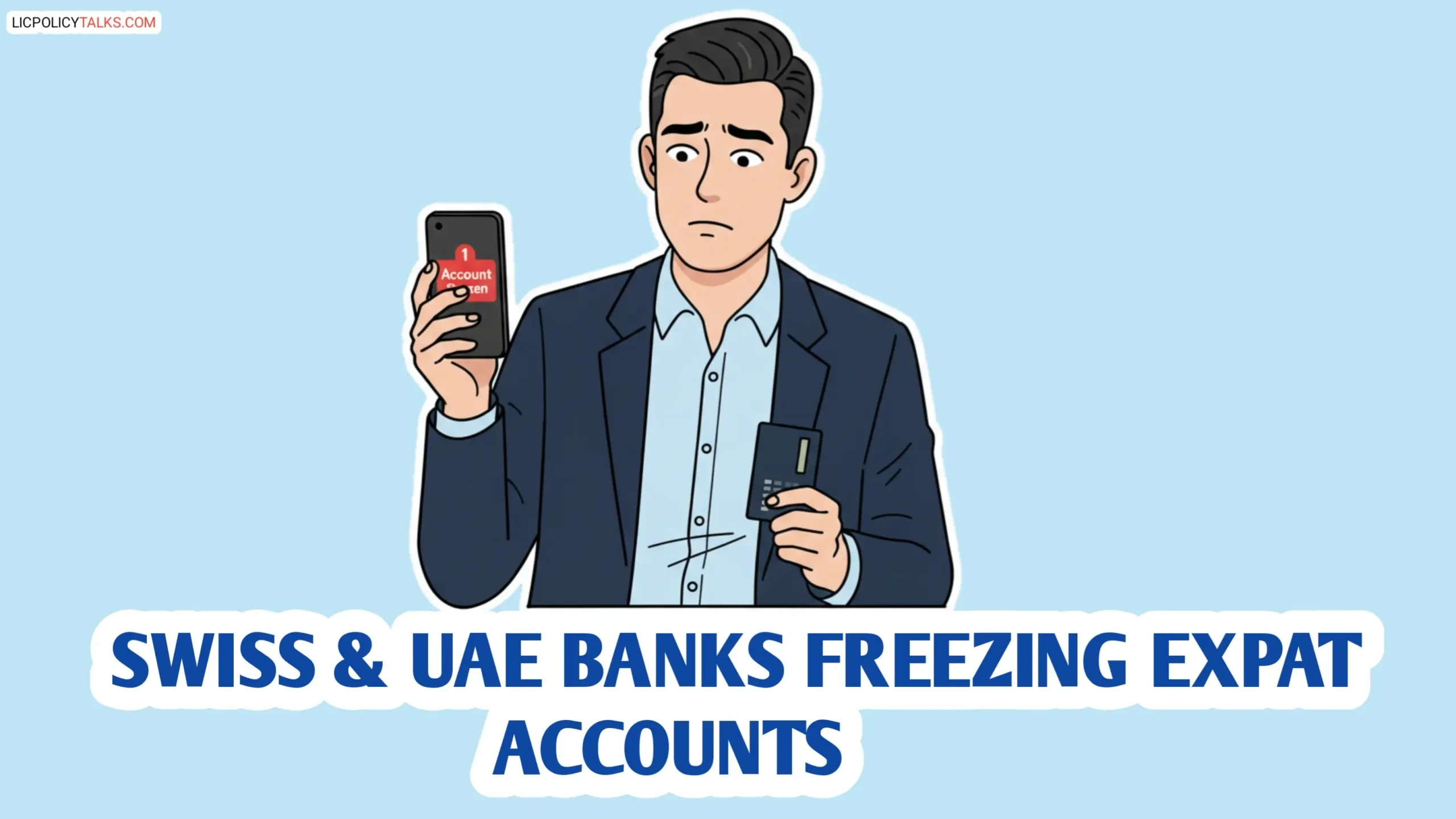

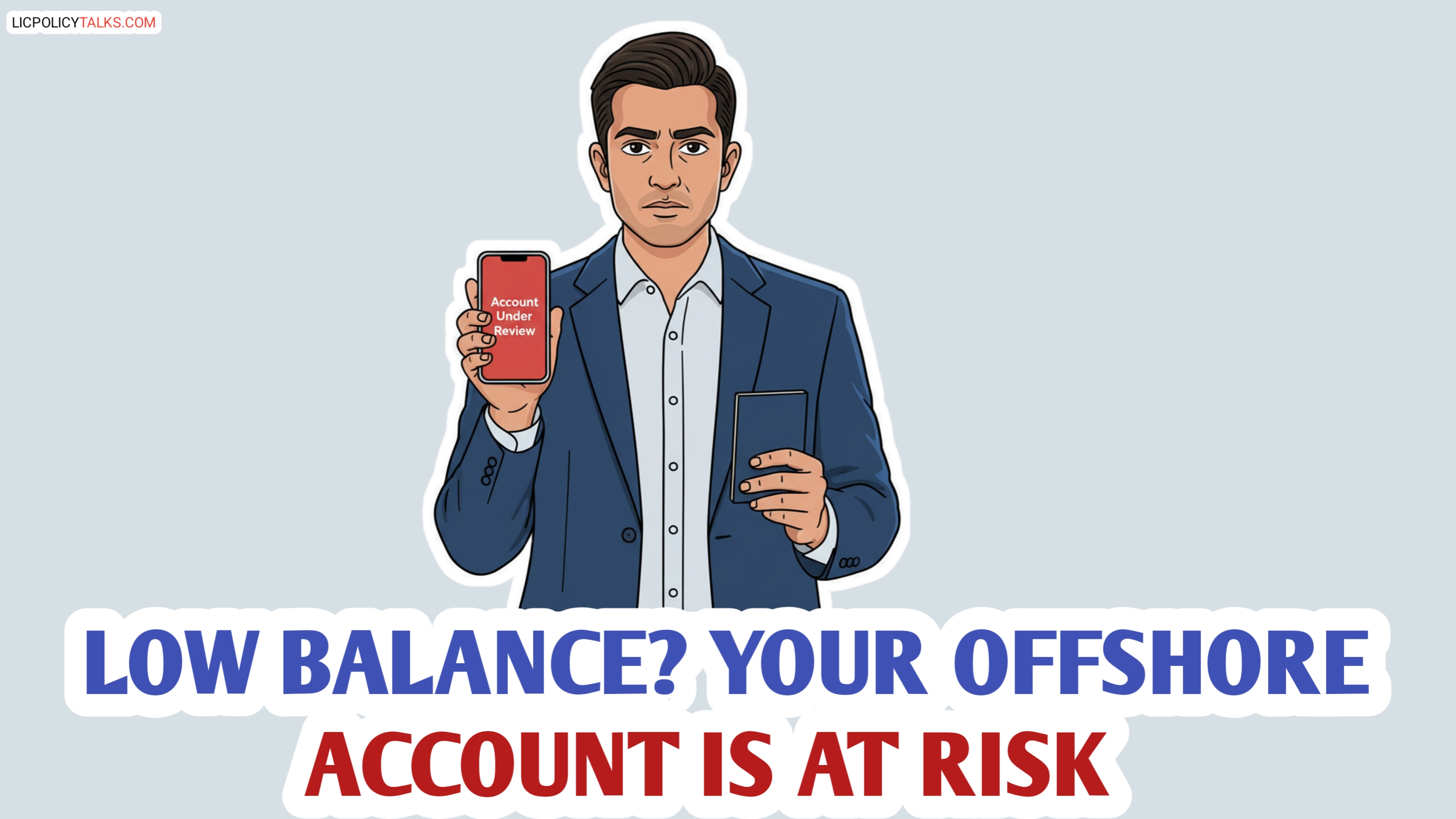
Hi friends! Imagine this: you’re overseas, trying to pay an important bill or access your savings, and your card gets declined. You log into your offshore bank account, only to see a cold, generic message stating your access is restricted. Your money is locked away, and no one at the bank seems to have a clear answer. This isn’t a scene from a thriller; it’s the alarming reality for a growing number of expats. Today, we’re pulling back the curtain on why this is happening and, most importantly, giving you a clear plan to ensure it doesn’t happen to you.
We’re going to break down the so-called inactive account purge 2026, a systemic trend where banks in financial hubs like Switzerland and the UAE are proactively closing or freezing accounts, often with balances under $50,000. This guide will explain the “why” behind the silent lockout and arm you with a concrete survival strategy to secure your financial access.
Decoding the 2026 ‘Inactive Account Purge’: It’s Not Just About Dormancy
First, let’s clear up a common misconception. This isn’t your grandfather’s idea of a dormant account rules cleanup, where an account with zero activity for years gets closed. What we’re seeing now is far more aggressive and strategic.
The 2026 inactive account purge is a profitability-driven strategy. Banks are no longer just looking for completely inactive accounts; they’re targeting accounts they deem “unprofitable.” This is a crucial difference. An account can have a few transactions a year but if the balance is low, the bank may decide the cost of maintaining it—especially for a non-resident—simply isn’t worth it. The core driver isn’t laziness on your part; it’s a cold calculus on the bank’s balance sheet.
This trend is industry-wide. Major publications like the Financial Times have reported on banks’ systematic efforts to streamline client lists. It all ties into “Client Tiering”—banks segmenting customers by their profitability and focusing their resources on high-net-worth wealth management, quietly exiting relationships with smaller clients. But what made these small accounts so costly all of a sudden?
The Real Culprits: Why Compliance Costs Are Killing Small Expat Accounts
To understand the purge, you need to understand the three-letter acronyms that keep bank executives up at night: Basel III, CRS, and AML. These aren’t just jargon; they’re the real culprits behind your banking headaches.
Think of it this way: for a bank, the fixed cost of monitoring a $10,000 account for compliance is almost identical to monitoring a $1,000,000 account. It’s like a fancy restaurant deciding not to take two-top tables anymore because the cost of linen, cutlery, and server time makes them unprofitable—they’d rather reserve the space for larger parties. The massive, hidden cost of global expat financial regulations 2026 has turned small expat accounts into a liability.
Here’s the breakdown: Regulations like the Common Reporting Standard (CRS) and FATCA force banks to meticulously report your account details to tax authorities globally. Anti-Money Laundering (AML) rules require endless checks on transaction origins. The “Basel III Endgame” pushes banks to hold more capital against perceived risks. A Reuters analysis confirms that soaring compliance costs are a primary reason for widespread account closures. For a non-resident with a modest balance, you represent a high-cost, high-scrutiny, low-reward customer profile in this new regulatory world.
This financial reality is forcing a fundamental offshore banking changes. Banks are retreating from universal service and becoming more exclusive. Now, let’s see how this plays out in two of the world’s most popular expat banking hubs.

Case Study 1: Swiss Banks – The Quiet Closure of ‘Non-Core’ Clients
Switzerland’s reputation for discreet, reliable banking is undergoing a quiet revolution. The unspoken policy among many Swiss institutions now is clear: non-resident clients with balances below a certain threshold—often cited around CHF 100,000 or €100,000—are being systematically phased out.
The key word here is “quiet.” You likely won’t receive a frantic call or a red-letter warning. As reporting from Swissinfo.ch highlights, closures often happen after a periodic review cycle, based on a blanket update to the bank’s terms and conditions that you may have glossed over. The Swiss bank account freeze or closure is often a silent, administrative event, not a dramatic confrontation. This reflects a broader strategic shift. Post-consolidation giants like UBS are focusing intensely on ultra-high-net-worth wealth management. The modest expat saver no longer fits the “core client” profile in this new, exclusive Swiss banking landscape.
The experience is very different in another global financial hub, where the action feels less like a quiet exit and more like a sudden trapdoor.
Case Study 2: UAE Banks – The Minimum Balance Trap and Sudden Freezes
For expats in or from the Gulf, the UAE expat banking experience has its own sharp edge. Here, the trigger is often the strict enforcement of minimum balance requirements. As Gulf News has documented, expats who leave the UAE but keep an account open with a small balance are returning to find it frozen or closed.
The scenario is classic: you move jobs or countries, your UAE salary stops, and the average monthly balance in your savings account (often required to be AED 3,000-5,000) dips below the limit. The bank sends a notice to your old UAE address on file, which you never see. The next time you try to use the account, it’s frozen. This abrupt bank account without notice action feels more personal and disruptive than the Swiss method. While Swiss banks might quietly close and send a cheque, UAE banks often freeze first, potentially charging hefty fees during the closure process, adding insult to injury.
This contrast shows that while the underlying profit motive is the same, the mechanisms differ. So, where does the often-cited “$50k” figure fit into all this?
The Threshold Truth: Is $50k the New Magic Number? (Comparison Chart)
The $50,000 figure in headlines is symbolic. It represents the “low profitability” zone, not a universal law. In reality, thresholds are internal, unpublished, and constantly shifting. Swiss banks might look at €100k, while a UAE bank cares about your monthly average balance of AED 5k. The only way to know your bank’s current view? Ask your Relationship Manager directly during an annual review.
The key takeaway is that whether it’s $50k, €100k, or AED 5k, the principle is identical: banks are segmenting clients by value. To visualize the differences between the two major hubs we’ve discussed, here’s a clear breakdown:
| Criteria | Swiss Banks | UAE Banks |
|---|---|---|
| Primary Trigger | Non-resident status + Balance below ~€100k | Failing to maintain monthly Average Balance (e.g., AED 3k-5k) |
| Typical Action | Quiet closure after review cycle | Account freeze, then closure with fees |
| Notice Given? | Often generic policy update in terms & conditions | May be sent to local address on file, often missed |
| Underlying Driver | High CRS/AML compliance cost per client | Profitability & regulatory scrutiny on expat inflows |
Your 7-Point Protection Plan: How to Shield Your Account from the Purge
Knowledge is power, but action is security. Here is your concrete, seven-step plan to protect your offshore account from becoming a purge statistic. Take control today.
1) The Activity Rule: Schedule small, regular transactions. Set a quarterly calendar reminder to transfer a small amount in or out. This creates a clear digital heartbeat for your account.
2) Balance Buoyancy: Maintain a buffer. If you think the unofficial threshold is $50k, aim to keep $55k-60k. For UAE accounts, always keep your balance comfortably above the required monthly average.
3) Communication Cascade: Update ALL your contact details immediately—email, phone, and international address. Then, log into your online banking portal at least once a month to check for alerts or policy updates.
4) Relationship Review: Don’t be a ghost. Schedule a brief, friendly annual call with your Relationship Manager. It reinforces your status as an active, engaged client.
5) Document Diaspora: Keep digital copies of all bank statements, terms & conditions updates, and any correspondence. This is your evidence if you need to dispute anything.
6) Plan B: Never rely on a single banking jurisdiction. Have a secondary account elsewhere as a backup. Diversification is a core principle of expat financial resilience.
7) Stay Informed: Regulations and bank policies evolve. Follow reputable financial news sources, like the BBC’s business coverage, to stay ahead of trends that could affect your access.
By implementing this plan, you move from being a passive target to an active, valued client in the eyes of the bank.
FAQs: Your Burning Questions on the Account Purge, Answered
Q: What exactly counts as an ‘inactive’ or ‘dormant’ account? Is it just no transactions?
Q: If my account is frozen, can I get my money back? How long does it take?
Q: Will switching to a digital-only bank in these regions protect me?
Q: Can I avoid this by just opening a joint account with a higher-net-worth individual?
Q: Are there any jurisdictions still welcoming small expat savings accounts?
The New Rule: Proactive Management is Non-Negotiable
Let’s be brutally honest: the era of ‘set and forget’ offshore banking is over. The purge we’re discussing isn’t a temporary glitch or a few bad apples; it’s a structural shift driven by global regulation and banking economics. Hoping your account will be overlooked is not a strategy.
The good news? You are not powerless. By understanding the “why” behind the inactive account purge 2026 and actively implementing the 7-point protection plan, you can secure your financial foothold. Your offshore account must now be treated as an active asset to be managed, not a passive vault to be forgotten. That proactive mindset is your ultimate key to survival in 2026 and beyond.