This morning’s first major financial movement is here: as of 02:25 AM on April 13, 2026, the U.S. blockade of Iranian ports has sent shockwaves through global markets, and your money is already feeling the hit. If you have savings in dollars, investments in stocks, or assets offshore, today’s news isn’t just headlines—it’s a direct drain on your wealth starting now.
- The USD surge is making your European vacation and imports more expensive overnight.
- Stock market volatility could trigger panic selling in your 401(k)—don’t fall for it.
- Offshore banking security faces new risks from shadow banking and compliance traps.
- Immediate action is required to hedge currency exposure and preserve liquidity.
The financial market impact from the Iran crisis is real and personal. This analysis breaks down exactly how your wallet, portfolio, and banking security are affected, with data-driven steps to act in the next 24 hours. We’ll translate complex market moves into simple, actionable advice so you can protect what’s yours.
Forex & Currency Crisis: How the USD Surge Hits Your Wallet
The common belief: A strong USD is always good for Americans. The contrarian reality: This sudden, crisis-driven surge is a trap for complacent investors. It artificially inflates the value of US assets while silently eroding the future returns of your international holdings and making your overseas costs more expensive overnight. This isn’t economic strength; it’s fear capital seeking temporary shelter.
Strait of Hormuz Blockade: Why Your Gas & Import Bills Will Jump This Week
The US Navy’s blockade of Iranian ports has triggered a ‘risk-off’ panic, causing a broad USD rally against all major currencies. As reported by Gregor Stuart Hunter for Reuters, the world’s largest multimedia news provider, this move has immediate consequences for your daily spending.
Why it matters for your money: A stronger USD makes imports more expensive. Expect immediate price hikes on electronics, foreign cars, and any goods shipped through the Gulf. For travelers, your Euro or Pound buys fewer dollars. For businesses, supply chain costs surge. Think of it this way: if you need €1,000 for a trip, this 0.5% drop means you need to find an extra $8 today—and that’s just the start.
Who is affected: Every US consumer buying imported goods, online shoppers on international sites, US exporters (their goods become more expensive abroad), travelers planning European vacations, and freelancers paid in foreign currencies.
USD Surge Post-Iran News (April 12-13): Currency depreciation vs. USD. Chart scales proportionally with max height 85% for AUD -0.8%.
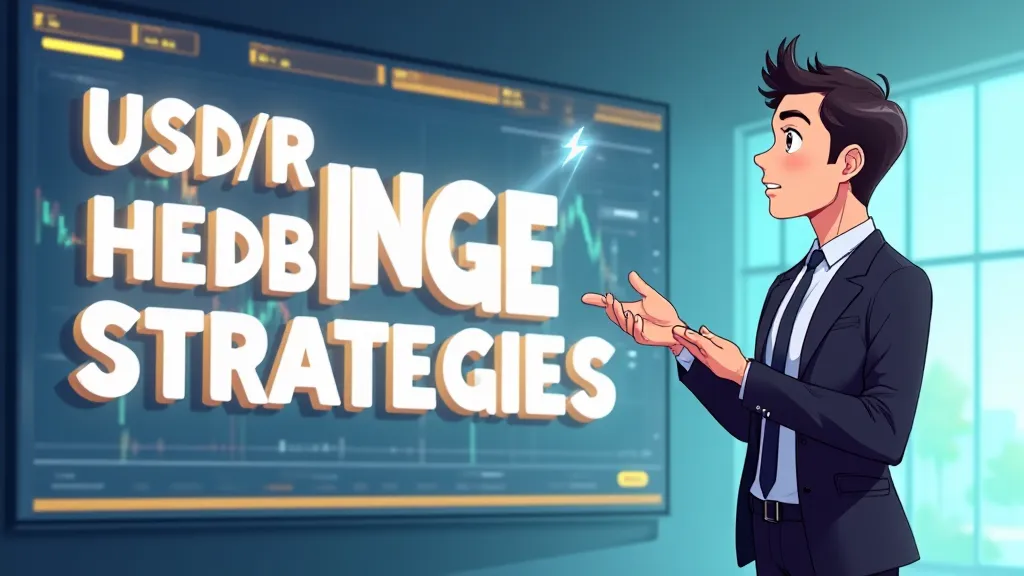
Action steps: 1. Delay major non-essential international purchases for 1-2 weeks if possible. 2. If you have upcoming foreign currency needs (e.g., tuition, property payment), consider locking in a rate with your bank NOW before further moves. 3. Review your investment portfolio for heavy exposure to US multinationals that earn in Euros (they’ll see currency-translation losses). Decision hint: Don’t celebrate a strong dollar yet. This is a volatility spike, not stability. Hedge your exposure.
Geopolitical Powder Keg: How Escalation Fears Freeze Capital and Your Loan Approvals
Iran’s Revolutionary Guards have declared the Strait of Hormuz a controlled zone, threatening military response, making a quick de-escalation unlikely. According to a statement from Iran’s Revolutionary Guards reported by Reuters, this stance prolongs market uncertainty.
Why it matters for your money: Protracted crisis = sustained market fear. Banks and lenders become risk-averse. This could mean stricter lending criteria, higher interest rates for personal/business loans, and delayed funding rounds for startups. Liquidity tightens. For example, per the Federal Reserve’s Senior Loan Officer Opinion Survey, banks tightened standards in past crises—this could hit your loan application even with a good credit score.
Who is affected: Small business owners seeking loans, individuals applying for mortgages or auto loans, real estate investors, venture capitalists, and anyone relying on easy credit.
Key risk summary: The Strait carries about 20-30% of global seaborne oil, so energy prices may spike. Capital freezes first in uncertain times—don’t assume credit will be available later.
Action steps: If you are in the process of securing a loan (mortgage, business), push for a quick commitment from your lender. Rates may creep up. Build a larger emergency cash buffer (3-6 months becomes 6-9 months). Contact your financial advisor to stress-test your business/personal cash flow against a ‘higher for longer’ rate scenario. Decision hint: Treat this as a liquidity warning. Preserve cash and secure credit lines now, not later.
Stock Market & ETF Strategy: Navigating Volatility in Your 401(k) & Brokerage
The common belief: Sell everything during geopolitical panic. The contrarian reality: This is not a 2008-style systemic crash. It’s a sector-specific shockwave. Blindly selling locks in losses and misses the crucial rebalancing opportunity. The smart move isn’t flight—it’s a tactical reshuffle. Look for quality companies unfairly punished by the broad ‘risk-off’ sell-off that have strong domestic revenue streams.
S&P 500 Truth Bomb: Why Selling Now Could Be Your Costliest Mistake
Historical data shows markets have overcome every crisis, with bottoms forming before recessions end. Panic selling often misses the recovery. As highlighted in Sam Ro’s TKer newsletter, which analyzes market macro crosscurrents, this pattern holds key lessons.
Why it matters for your money: The average intra-year drawdown for the S&P 500 is 14%. Selling at the bottom turns a paper loss into a real, permanent one. Missing just the best 10 days in the market over 20 years can slash your returns by over 50%. You’re feeling a 5% drop today—it feels huge, but zoom out: drawdowns are normal.
Who is affected: Every long-term investor, especially those nearing retirement who might be tempted to make emotional portfolio changes.
Historical S&P 500 Performance Around Crises. Data sourced from TKer analysis. Table is responsive for mobile.
Action steps: DO NOT issue sell orders based on today’s headlines. Review your asset allocation. If you are underweight in bonds or cash, use this volatility to rebalance, not abandon ship. For those with regular 401(k) contributions, CONTINUE them. You’re buying at a discount. Decision hint: Your discipline is your greatest asset now. Stick to your long-term plan unless your life goals have changed.
VOO vs. VTSAX: Which Vanguard Fund Shields You Better in This Storm?
Amid volatility, the choice between a S&P 500 ETF (VOO) and a total market fund (VTSAX) has immediate implications for risk and recovery. As compared in a TipRanks fund analysis focusing on low-cost, diversified Vanguard options, the differences matter now.
Why it matters for your money: VOO is concentrated in mega-cap tech (heavily exposed to global supply chains & strong USD headwinds). VTSAX includes small/mid-caps, which may be more volatile short-term but could rebound faster if the crisis remains geographical. Your choice affects your portfolio’s bounce-back speed. VOO is like betting on the 500 biggest companies; VTSAX bets on the entire market—sometimes small caps recover quicker.
Who is affected: Investors deciding where to put new money or rebalance existing holdings in Vanguard or similar low-cost index funds.
VOO vs. VTSAX Comparison. Slide horizontally on mobile for full view.
Action steps: Analyze your current exposure. If you’re heavily weighted in VOO/SPY, consider diverting new contributions to VTSAX or VT (global) for better diversification. This is not a swap call, but a diversification check. If you own individual tech stocks, your VOO holding is amplifying that risk. Decision hint: In uncertainty, broad diversification beats concentrated bets. Lean towards the total market for new money.
Offshore & Banking Security: New Rules for Your International Assets
The common belief: Offshore banking is about secrecy and tax evasion. The contrarian reality: Post-2008, it’s about asset diversification and regulatory arbitrage. The real threat isn’t crackdowns on ‘shadow banks’—it’s the complacency of thinking your traditional US mega-bank is the safest place. The 2026 risk is liquidity fragmentation; non-banks (Apollo, Citadel Securities) now control critical market plumbing. A shock there could freeze assets you thought were ‘safe’ in a completely different part of the system.
‘Shadow Banking’ Is Now HALF the System: The Hidden Risk to Your Cash & Investments
Non-bank financial intermediaries (shadow banks) now control over half of global financial assets, creating a systemic risk that regulators are struggling to oversee. As analyzed in Reuters Breakingviews, the flagship financial commentary section, this shift changes your safety calculus.
Why it matters for your money: A crisis in hedge funds, private credit, or fintech platforms (non-banks) could trigger widespread asset freezes and liquidity crunches, impacting even traditional portfolios. Your money market fund or certain ETFs are deeply linked to this shadow system. Think of shadow banks as plumbing behind your walls—if they fail, your ‘safe’ cash gets affected indirectly.
Who is affected: Investors in private equity, hedge funds, or high-yield credit funds. Also, any saver using fintech apps for high-yield cash accounts, or investors in complex ETFs.
Global Financial Assets 2026: Non-Bank Financial Intermediaries (55%) vs. Traditional Regulated Banks (45%). Data from Financial Stability Board.
Action steps: 1. Audit your holdings: Identify any investments in private credit, hedge funds, or unlisted securities. 2. Understand the counterparty risk in your high-yield cash accounts (e.g., which bank/bond portfolio backs it?). 3. Increase your allocation to plain-vanilla, FDIC/NCUA-insured bank deposits for your emergency fund (up to $250k). Decision hint: Seek simplicity and insured protections for your core safety net. Complexity is the enemy in a liquidity shock.
The Bahamas Digital Asset Hub: A Safe Harbor or a New Compliance Trap?
The Bahamas has launched a sophisticated digital assets regulatory framework (DARE Act 2024), positioning itself as a crypto/offshore hub. According to The Fintech Times analysis of the Central Bank of The Bahamas initiatives, this brings new rules for US persons.
Why it matters for your money: For those using offshore digital asset services, regulatory clarity is good. However, it also means increased reporting and transparency to US authorities (via treaties). What was once opaque is now a tracked channel. Misunderstanding the new rules could lead to IRS penalties—starting at $10,000 per violation for FBAR filing errors.
Who is affected: US persons (citizens/residents) using Bahamian digital asset exchanges, crypto investors with offshore structures, and fintech entrepreneurs.
- Key DARE Act provision: Requires exchanges to collect KYC data, shared with the IRS per tax treaties.
- Risk: If you haven’t filed FBAR for that account, automated systems will flag discrepancies.
- Action: Consult a cross-border tax attorney immediately to ensure compliance.
Action steps: If you hold digital assets through Bahamian entities, immediately consult with a cross-border tax attorney to ensure your reporting (FBAR, FATCA, Form 8938) is flawless. The IRS is data-sharing with compliant jurisdictions like The Bahamas. Do NOT assume anonymity. Decision hint: Regulation means legitimacy, but also visibility. Ensure full compliance; the cost of a mistake now is higher than ever.

FAQs: Frequently Asked Questions
Q: I’m a US investor with only S&P 500 index funds. What should I do immediately?
Q: How will the Iran crisis affect my monthly budget and grocery bills?
Q: Is my money in a big US bank (Chase, BofA) safe during this ‘shadow banking’ risk?
Q: I have a vacation to Europe booked for summer. Should I buy Euros now or later?
Q: What is the single biggest mistake investors will make in the next 72 hours?
Bottom Line: The financial market impact from the Iran crisis is immediate, affecting your currency, stocks, and banking security. By understanding the contrarian risks—like a strong USD hurting imports or shadow banking vulnerabilities—you can take proactive steps: hedge currency exposure, avoid panic selling, diversify investments, and secure insured deposits. The next 24 hours are critical; act with clarity to protect your savings from this volatility. Market waits for no one—delay could mean permanent loss.