
Hi friends! If you’ve been following the European property scene, you know it’s been a wild ride. For years, buying a sunny apartment in Spain or a whitewashed studio in Greece to rent on Airbnb seemed like a foolproof plan for easy, passive income. But what if I told you the party is over? A massive regulatory shift is coming in 2026 that could turn those dream investments into financial nightmares overnight. In this guide, we’re going to break down exactly what’s happening, why it’s a trap, and what you can do right now to protect your capital. This isn’t just a market dip; it’s a fundamental rewiring of the rules.
If you bought a Spanish villa or Greek island studio for rental income, this is your urgent wake-up call. The bustling 2025 market is about to face a regulatory silence in 2026, potentially transforming your asset into a dead capital trap—an investment that can’t generate the returns you expected, becomes hard to sell, and loses value due to forces outside your control. Let’s deconstruct this looming Airbnb investment in Spain and Greece crisis, its financial impact, and your actionable next steps.
The Mirage: How the 2025 Boom Set the Trap
Just last year, the headlines were glowing. As reported in analyses of Spain’s 2025 real estate landscape, the market was characterized by surging property prices and a strong influx of foreign buyers creating new investment opportunities. Money was pouring in, chasing the dream of double-digit yields from endless streams of tourists. The psychology was simple: post-pandemic travel rebounds were explosive, and platforms like Airbnb made managing a distant property seem effortless. It felt like a golden age for the savvy international investor.
This frenzy wasn’t based on nothing. In prime hotspots like Barcelona, Madrid, Athens, and Santorini, short-term rentals were printing money. Investors, both large and small, piled in, often paying premium prices for properties explicitly marketed for their “Airbnb potential.” The core vulnerability, however, was an over-reliance on a model that was largely unregulated or lightly policed. The incredible returns were predicated on a regulatory environment that was already starting to crack under pressure.
The warning signs of a potential real estate bubble, inflated by speculative short-term rental demand, were already flashing in 2024 and early 2025. In cities across Spain and Greece, local residents took to the streets protesting soaring rents and the loss of community as apartments became full-time tourist hotels. Political murmurs about curbs and bans grew from a whisper to a roar. Yet, many investors, intoxicated by the boom, chose to ignore these early tremors, believing the tourism golden goose could never be slain. This dismissal is what set the perfect trap.

The Regulatory Earthquake: Decoding the 2026 ‘Tourist Ban’
First, let’s clarify the term “tourist ban 2026.” It’s a dramatic media label, but the reality is arguably more impactful for investors: a suite of severe, enforceable restrictions designed to drastically reduce short-term rentals. Think of it not as banning tourists, but as turning off the revenue tap for a huge portion of casual landlords. These aren’t suggestions; they are laws with specific start dates, driven by intense political pressure to solve housing affordability crises and calm community backlash.
Spain’s Crackdown
The landscape for Spain Airbnb regulations is fragmenting by region, which is crucial to understand. Autonomous communities like Barcelona, the Balearic Islands (Mallorca, Ibiza), and Valencia are leading the charge with measures that could include complete moratoriums on new short-term rental licenses, the creation of “closed zones” where no STRA activity is permitted, and exponentially heavier fines for illegal rentals. The goal is to repatriate thousands of units back to the long-term housing market.
Greece’s New Rules
Similarly, the dream of hassle-free Greece property investment for tourists is changing. The government is implementing new licensing caps, particularly on overloaded islands like Mykonos and Santorini. There is also serious talk of enforcing minimum rental periods (e.g., 3 months) to discourage weekend party lets, alongside significant tax hikes on short-term rental income to make it less profitable. The era of the unregulated island Airbnb is closing.
This coordinated push represents a continental wave of European tourism restrictions, fundamentally altering the risk profile of what was once considered a safe bet. The assumption that you could buy in a major European city and easily rent it short-term is now a dangerous gamble. The regulatory ground is not just shifting; it’s falling away.
Airbnb Investment Risk Index 2026
■ Spain vs. ■ Greece (Higher % = Higher Risk)
Insight: Spain currently faces higher risks in Regulatory and Liquidity factors compared to Greece in 2026.
From Cash Cow to Dead Capital: The Financial Unraveling
This is where the rubber meets the road. Let’s model the cash flow collapse. Pre-2026, a well-located apartment might have delivered an annual net yield of 8-12%. Post-2026, if you can even operate, your options shrink to long-term renting (yielding 2-4% in these markets) or costly vacancy. Your revenue could be slashed by 60% or more overnight. This isn’t a minor dip; it’s a fundamental breakdown of the investment thesis.
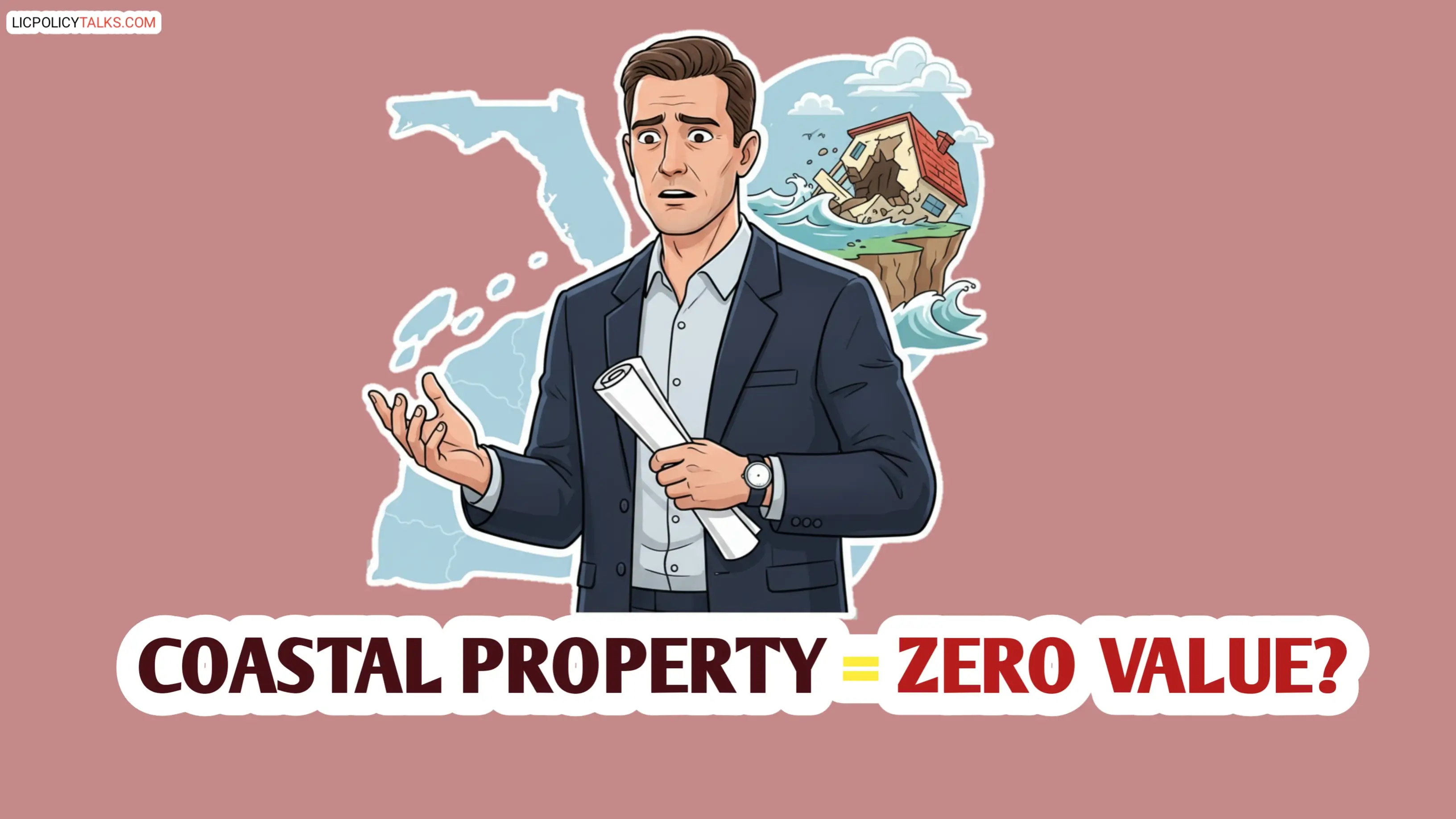
Simultaneously, liquidity evaporates. That property marketed at a premium because it was “Airbnb-ready” or had a lucrative license instantly loses its special status. The buyer pool for your asset shrinks dramatically from a global crowd of yield-chasing investors to local buyers looking for a primary residence, drastically depressing its market value and speeding up a potential property market collapse in the vacation segment. You’re now holding a stranded asset—a property with a mortgage based on inflated, short-term rental income projections that are no longer valid.
And the costs don’t stop. Property taxes, community fees, maintenance, and depreciation continue to drain your resources while your income plummets. This is the anatomy of the dead capital trap we warned about: an illiquid asset that consumes money instead of generating it. The much-feared vacation rental crash is not about empty hotels; it’s about thousands of individual investors facing a personal balance sheet crisis.
| Factor | Pre-2025 (Golden Age) | Post-2026 (New Reality) |
|---|---|---|
| Regulatory Environment | Lax or evolving; licenses relatively easy to obtain. | Severe restrictions. License moratoriums, “closed zones,” heavy fines. |
| Average Yield | 8% – 12%+ (Short-term rental) | 2% – 4% (Long-term rental, if convertible) |
| Buyer Demand | High from international investors seeking yield. | Collapsed. Limited to local long-term landlords/owners. |
| Financing Availability | Mortgages based on projected short-term rental income. | Banks wary; financing based on lower long-term rental value. |
| Liquidity | High. “Airbnb-ready” was a premium selling point. | Very low. Fire-sale prices may be the only exit. |
The Investor’s Survival Guide: Navigating the Trap
So, what can you do? Time is the critical factor. Here’s a strategic flowchart of options, in order of pragmatism. First, Seriously Consider Selling Now. The pros: You lock in current value, avoid further depreciation, and free up capital. The cons: You may take a loss versus peak 2025 prices. Target buyers are other (perhaps unaware) investors or locals before the rules fully bite. This is the clearest investment warning you’ll get.
Second, Pivot to Long-Term Rental. This requires a full financial revision. Recalculate your yield based on local long-term rents (it will be low). You must understand the legal steps: converting your registration, adjusting contracts, and ensuring compliance with tenancy laws. Consult a *local* real estate attorney and tax advisor immediately—generic advice won’t suffice here.
Third, Legal Challenges & Lobbying. This is a long, expensive path with a very low probability of success for individual investors. The political wind is firmly blowing against short-term rentals. Fourth, Hold and Hope. This is the riskiest option, betting that enforcement will be weak or rules will relax. It’s a gamble that could lead to total capital erosion.
The window to act as a seller in a position of relative strength is closing fast as more investors become aware of these European tourism restrictions. Get a realistic, conservative valuation from a local agent today. If you look elsewhere, note that the regulatory trend is continent-wide, though some Eastern European or secondary non-coastal cities may have a longer runway. Extreme due diligence is now the only due diligence.
FAQs: Your 2026 Airbnb Investment Questions Answered
Q: What exactly is the 2026 ‘tourist ban’ in Spain and Greece?
Q: Can I still legally operate an Airbnb in Spain or Greece after 2026?
Q: If I already own a vacation rental property, what are my options?
Q: Are there any safe havens for short-term rental investments in Europe now?
Q: How does this ‘dead capital trap’ affect the broader real estate market in these countries?
Conclusion: Facing the New Reality
Let’s recap the sequence clearly: a speculative Boom, fueled by easy money, is being followed by a Regulatory Shock, leading directly to Value Destruction. This is not a typical cyclical downturn in the property market. It is a structural, political, and social shift. The “Airbnb gold rush” model in the most popular parts of Spain and Greece is over.
The powerful takeaway is this: prudent capital preservation now requires acknowledging this new reality and acting decisively. Even if it means accepting a loss today to avoid a total trap tomorrow, decisive action is the only path to protecting what remains of your investment. Hope is not a strategy. The time to assess, consult, and move is now.