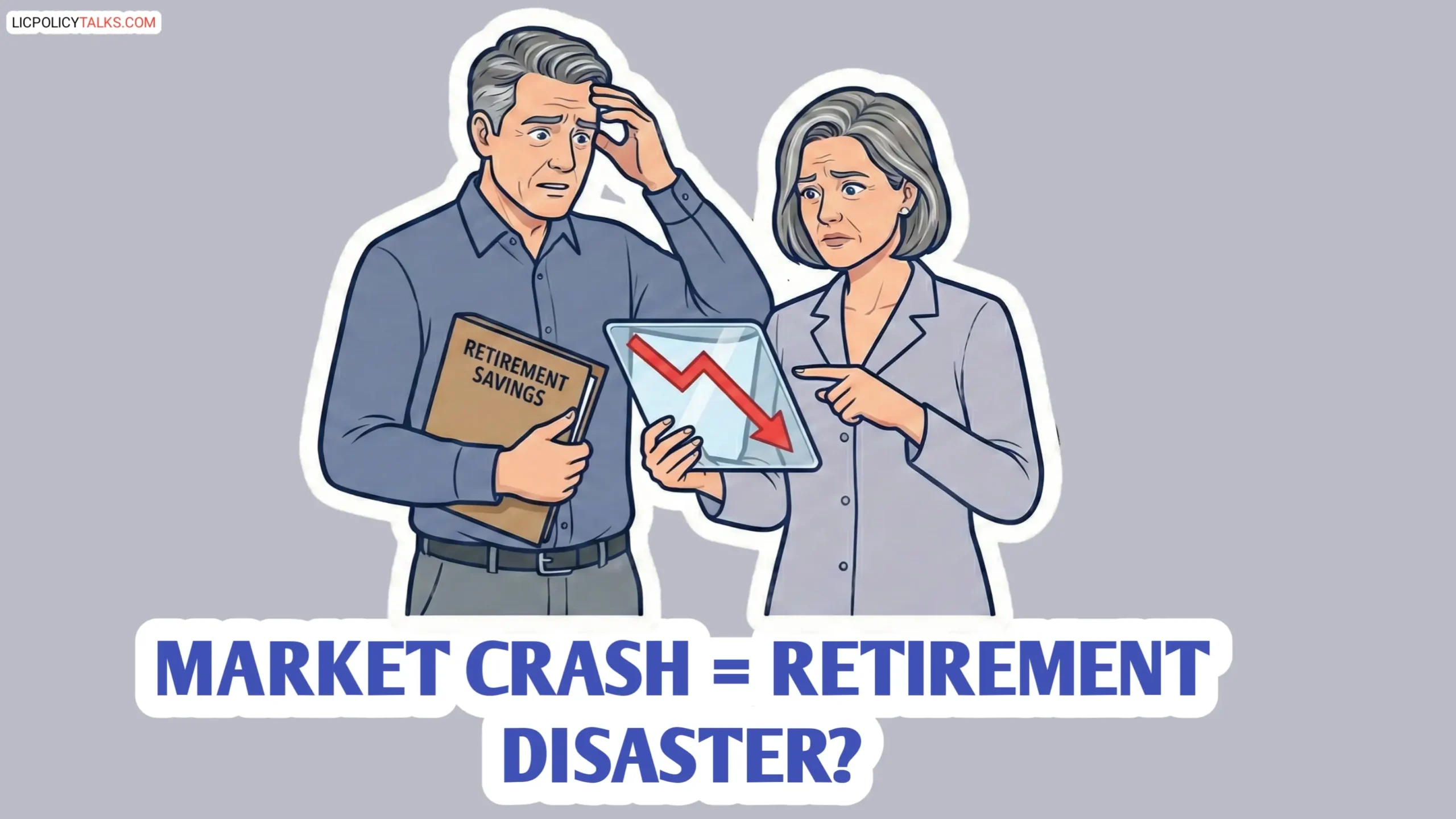

Hi friends! Let’s talk about a retirement nightmare. You’ve finally done it—saved diligently for decades, built your nest egg, and crossed into financial freedom. Then, in your first year of retirement, the stock market crashes. You watch your hard-earned portfolio drop 30%. Now you have to sell those depressed assets just to cover your living expenses, permanently locking in those losses. This isn’t just bad luck; it’s a specific, calculable threat called Sequence of Returns Risk (SoRR), and it’s the number one reason carefully planned retirements fail.
The good news? You’re not helpless. The Bond Tent Strategy is a proactive, tactical defense system designed specifically for this “retirement red zone”—the critical first 5 to 10 years after you stop working. It’s like installing a financial airbag for your portfolio. Considering the potential for continued market volatility and inflation as we look toward 2026, having a plan is more crucial than ever. In this guide, we’ll break down the mechanics, show you the evidence, give you a step-by-step setup plan, and honestly discuss the pros and cons.
Recent insights highlight the importance of a strategic approach to retirement planning, emphasizing both portfolio construction and withdrawal strategies. A foundational concept is the 4% rule, a guideline for sustainable retirement withdrawals that its creator, Bill Bengen, has clarified to address common misconceptions about its application and assumptions The 4% Rule: Clearing Up Misconceptions With Its Creator Bill Bengen – Financial Samurai. To implement such a strategy effectively, experts stress building a balanced portfolio through careful asset location and allocation, which involves placing investments in the most tax-efficient accounts to optimize long-term growth Building a Balanced Portfolio with Asset Location and Allocation – The White Coat Investor. For those seeking flexibility, semi-retirement presents a viable path, as discussed by Mark McGrath, who shares practical advice on transitioning to a reduced work schedule while managing finances Semi-Retirement Q&A With Mark McGrath – Tawcan. A critical test for any retirement plan is navigating market downturns, and guidance on handling a bear market in retirement advises maintaining a long-term perspective, avoiding panic selling, and ensuring sufficient cash reserves to cover expenses without liquidating investments at a loss Here’s How to Handle a Bear Market in Retirement – Barron’s.
The Retirement Killer: Understanding Sequence of Returns Risk
Let’s dig into the monster under the bed: sequence risk. It’s not just market volatility; it’s the dangerous timing of that volatility. We often think in terms of average annual returns, but averages lie. Your portfolio’s survival depends far more on the order of your gains and losses than on the final average. Imagine two retirees with identical portfolios and average returns. One gets bad years first, the other gets them last. Their outcomes will be worlds apart.
Here’s a simple example. Suppose two portfolios start with $1 million and withdraw $40,000 annually (a 4% rate). Both experience the same 10-year sequence of returns, just in reverse order. The portfolio that endures losses early on—the “dangerous sequence”—can be devastated, while the one with the “favorable sequence” thrives, even though the average annual return is identical. This happens because early withdrawals from a shrinking portfolio amplify the damage. This is why early retirement planning is uniquely vulnerable. Your portfolio is at its peak size, your withdrawals are a fixed need, and you no longer have a salary to offset the dips or add new money.
The Power of Sequence
Bad Years First vs. Last (Portfolio Value after 10 Years)
First 📉
First 📈
Insight: Even with the exact same average returns, when the losses happen matters. Early losses destroy compound growth.
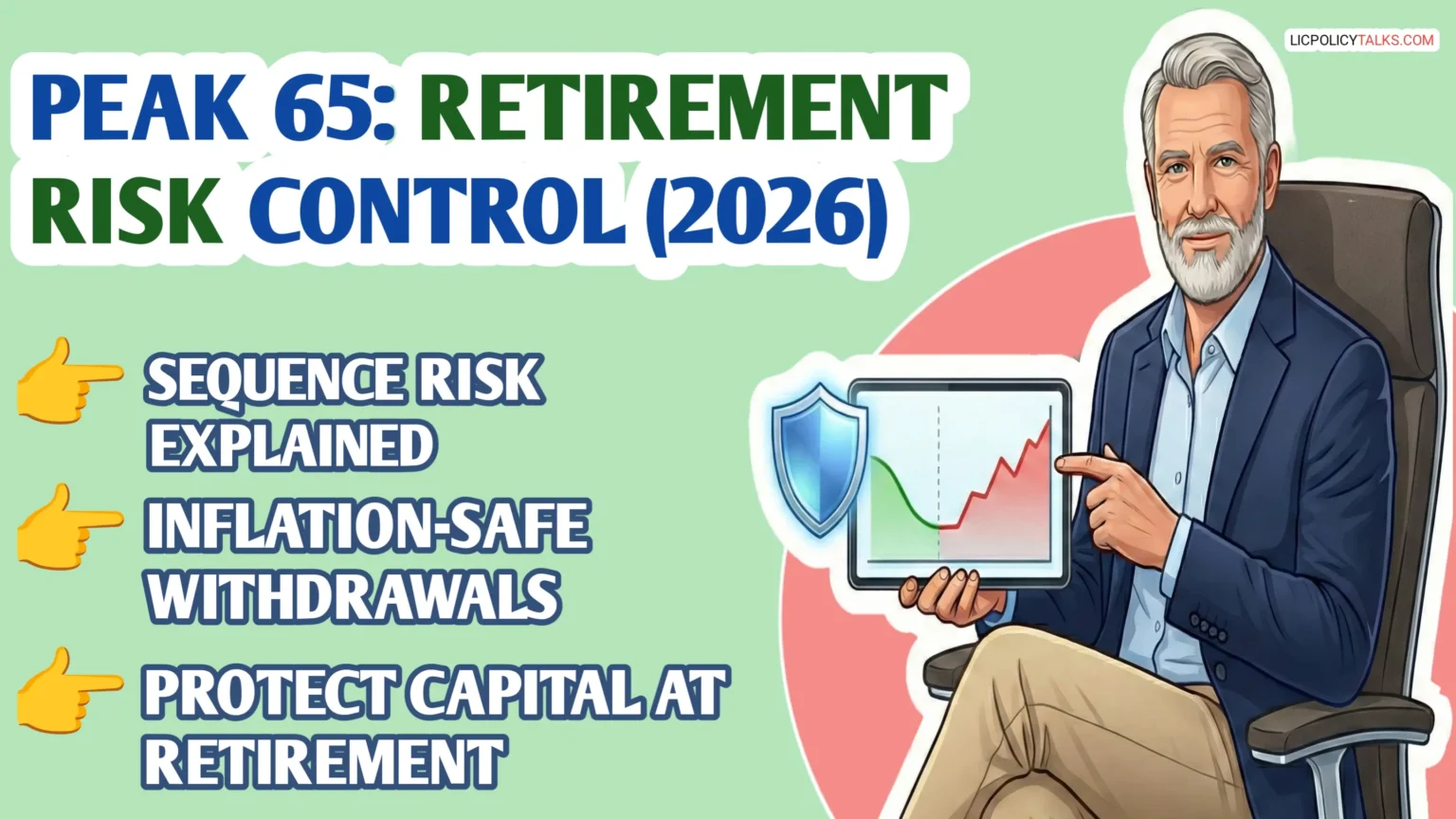
The psychological impact is brutal. Watching your life’s savings plunge right when you start depending on it can trigger panic selling—the worst possible move. This is why understanding sequence risk is the first step in true retirement portfolio protection. It’s not about avoiding market drops (impossible), but about strategically navigating them.
The Bond Tent Explained: Your Portfolio’s Strategic Airbag
From Static to Dynamic: The Core Idea
Most people approach retirement with a static asset allocation, like a classic 60% stocks/40% bonds portfolio, and just leave it. The Bond Tent Strategy throws that static plan out the window. Instead, it uses a dynamic glide path. Think of it like setting up camp before a storm. You wouldn’t pitch your tent in a valley; you’d find stable, high ground. Financially, you gradually shift into that safer “high ground” (bonds) as you approach retirement day.
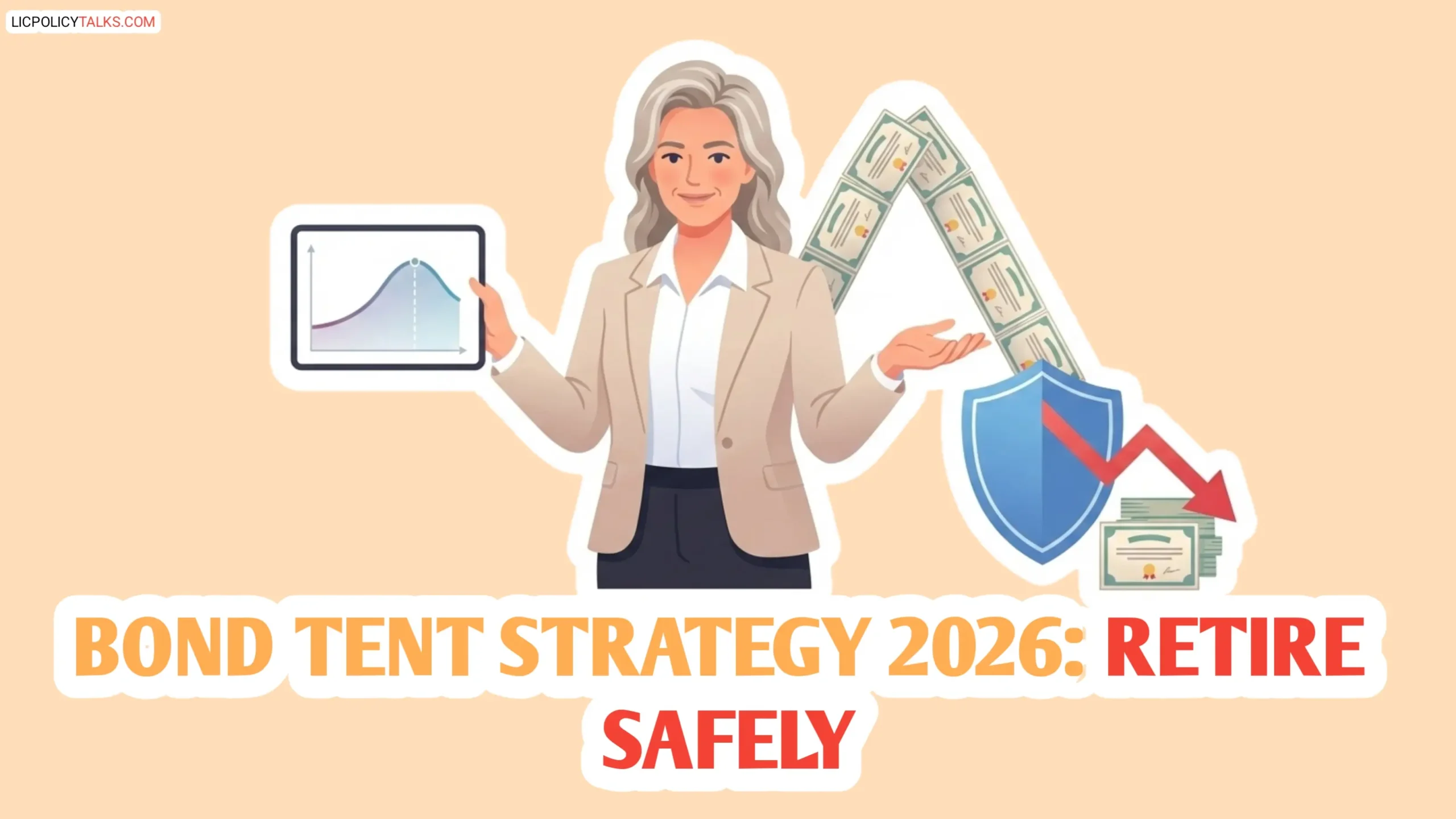
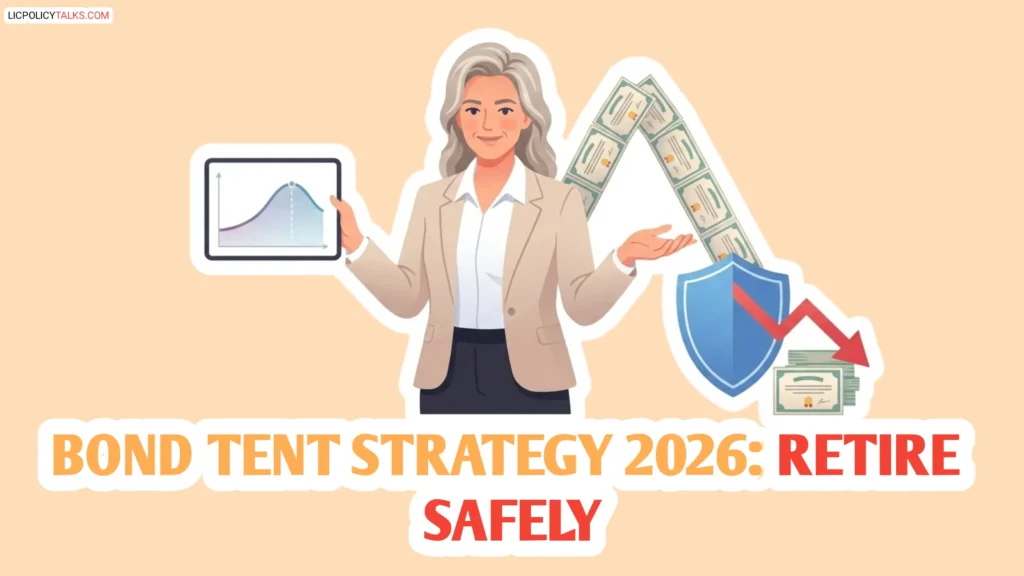
The core analogy is right in the name: a tent. Your bond allocation rises to form a peak right at retirement, creating a sheltered space, and then gradually declines over the following 5 to 15 years as the storm (the high-risk early retirement period) passes. The primary goal is simple yet powerful: to create a stable, non-volatile pool of assets you can draw from during a market crash, so you don’t have to sell your beaten-down stocks at a loss.

Visualizing the Glide Path: The Tent Chart
The classic shape starts with a gradual increase in bonds, maybe beginning 5 years before your retirement date. You reach a peak bond allocation (your “tentpole”) right at retirement—this could be 50%, 60%, or even 70% bonds depending on your risk tolerance. After retirement, you don’t just stay there. You gradually “fold the tent” over the next decade or so, selling bonds and buying stocks during market lows or through regular rebalancing, ultimately returning to a more traditional long-term allocation.
The Bond Tent Glide Path
Mitigating “Sequence of Returns Risk” by peaking bonds at retirement.
Psychologically, this glide path is a game-changer. In the years leading to retirement, the increasing bond allocation helps you sleep at night as volatility rises. At the peak, you have maximum defense. And during the drawdown phase, you’re systematically buying equities, which can feel empowering rather than scary.
Why It Works: The Mechanics of Defense
Let’s walk through the mechanics. In the nightmare “bad market at retirement” scenario, your portfolio’s fixed income (bond) tent is at its largest. You fund your first several years of retirement withdrawals from this stable pool. Your stocks are left untouched to recover from the downturn. You’re not selling low. The tent’s entire purpose is to de-couple your spending needs from the stock market’s daily whims.
Now, what if you get lucky and markets soar right after you retire? The tent still works beautifully. You can spend from your stock gains, and you might even choose to accelerate the “folding” of your tent—a concept called a “rising equity glidepath.” You’d sell bonds (which might be down if interest rates are rising) and buy more stocks, locking in a higher long-term growth trajectory. Ultimately, it’s a rules-based system of risk management that aims to remove fear and emotion from the most emotionally charged decade of your financial life.
Building Your Own Bond Tent: A 2026 Implementation Guide
Step 1: Determining Your Tent’s Peak Height
This is the most personal step. How high should your bond allocation peak? It depends on three key factors: your innate risk tolerance, your portfolio size relative to your expenses (your “margin of safety”), and—with an eye on 2026—current market valuations. If stock markets are at historically high valuations, a higher bond tent might offer prudent protection.
Here’s a guideline to start your thinking. Remember, this is a starting point, not personalized advice.
| Risk Tolerance | Portfolio Multiple (Years of Expenses) | Suggested Peak Bond Allocation |
|---|---|---|
| Conservative | < 25x | 60-70% |
| Moderate | 25-30x | 50-60% |
| Aggressive | > 30x | 40-50% |
For the most tailored plan, especially with a strategy this important, consulting a fee-only fiduciary financial advisor is highly recommended. They can help you stress-test your plan against various market scenarios.
Step 2: Choosing Your Bonds & Setting the Timeline
Not all bonds are equal for tent construction. You want stability and low correlation to stocks. Short-to-intermediate duration government bonds (like U.S. Treasuries or Indian Government Securities held via ETFs) are typically the best “fabric” for your tent. They’re less volatile than long-term bonds and safer than corporate bonds. Speaking of the 2026 outlook, if you’re concerned about inflation, consider blending in Treasury Inflation-Protected Securities (TIPS) to guard your fixed income against rising prices.
The timeline is crucial. This isn’t a short-term trade. A typical plan involves a 3-5 year ramp-up into the tent before retirement. The tent itself—the period you hold that elevated bond allocation—usually lasts 7 to 15 years after retirement. The key is to give the strategy enough time to provide protection through a full market cycle.
Step 3: Integrating With Your Withdrawal Strategy
The tent doesn’t exist in a vacuum; it must work with your retirement withdrawal strategy. If you’re using the 4% rule or a dynamic spending approach, the tent provides the fuel. A simple, powerful rule is: In down market years, withdraw primarily from your bond tent. In up years, consider taking withdrawals from equities and rebalancing.
For ultimate peace of mind, many planners recommend keeping 1-2 years of cash expenses within the bond portion of your portfolio. This “cash buffer” means you never have to sell anything during a panic, giving you incredible psychological fortitude to stick to the plan.
The Other Side of the Coin: Criticisms & Drawbacks
No strategy is perfect, and the Bond Tent is no exception. Its biggest criticism is opportunity cost. By holding a significant chunk in bonds, you could miss out on a strong bull market in the years surrounding your retirement. This can potentially reduce your final legacy wealth. It’s a classic trade-off: stability and safety for potential upside.
It also adds complexity & discipline. You’re not on autopilot. It requires active monitoring and rebalancing, which can be behaviorally challenging. If you hate looking at your portfolio, this might add stress. Furthermore, bonds carry inflation risk. In high-inflation environments (like we’ve recently experienced), the real value of your bond tent can erode. This is why TIPS or other inflation-hedged assets deserve consideration as part of your bond mix.
Most importantly, it’s not a silver bullet. It statistically improves your odds of success, but a prolonged, severe downturn (a “left tail” event) can still test the strategy’s limits. It’s a powerful tool in your risk management toolkit, not a magic shield.
FAQs: ‘retirement withdrawal strategy’
Q: Can I use a Bond Tent if I’m already retired and didn’t set one up?
Q: How does the Bond Tent strategy perform in a period of rapidly rising interest rates?
Q: Is the Bond Tent only for early retirees? What about traditional retirees at 65?
Q: Do I need to sell all my bonds at the end of the tent period?
Q: How do I rebalance within the tent? Should I do it annually?
Conclusion: Is the Bond Tent Right for You in 2026?
Let’s recap. Sequence risk is the real, stealthy threat to a happy retirement. The Bond Tent Strategy is a structured, intelligent defense—a dynamic glide path designed to provide stability exactly when you need it most. It’s a form of sophisticated retirement portfolio protection that moves beyond a simple, static allocation.
So, is it right for you as we look ahead to 2026? Ask yourself this short checklist: Are you within 10 years of retirement or recently retired? Does the thought of a market crash in your first few years of freedom keep you up at night? Are you willing to trade some potential long-term upside for significantly greater short-term stability and peace of mind? If you answered “yes” to these, then the Bond Tent is absolutely worth serious consideration and further study.
Your next step? Don’t just take my word for it. Model it with your own numbers. Use a spreadsheet or a portfolio tool to simulate different market sequences. See how it feels. And for a plan this important, consider discussing it with a fee-only fiduciary advisor. Taking proactive control of sequence risk isn’t just smart; it’s the hallmark of a truly confident and prepared retiree. You’ve worked too hard to leave your future to chance.