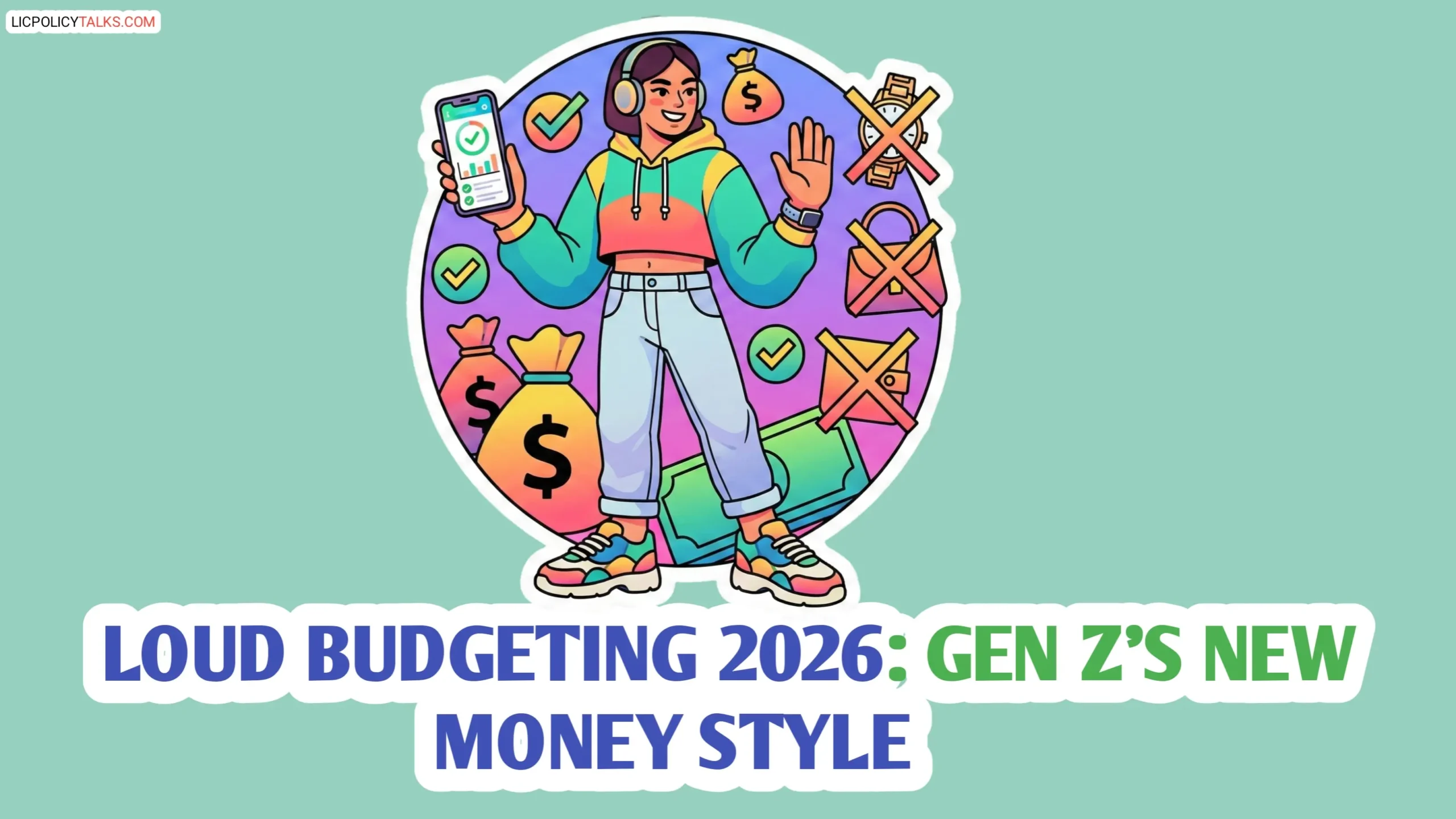
- Loud Budgeting is Gen Z’s 2026 response to quiet luxury, rejecting stealth wealth for financial transparency and community support.
- Pinterest data shows a 225% spike in searches for ’80s luxury’, signaling a major cultural shift away from minimalism.
- Nearly 60% of Gen Z now prefers buying pre-owned luxury to avoid first-owner depreciation, reshaping the market.
- This guide provides a practical 3-step system to adopt Loud Budgeting, avoid common pitfalls, and build real financial confidence.
Hi friends! Observing thousands of Gen Z financial conversations online reveals a clear pivot from silent spending to vocal prioritizing. For years, the gold standard was quiet luxury—spending a fortune to look like you hadn’t. But that was a trend for a stable economy. Today, with persistent economic anxiety, that performance feels isolating and out of touch. This isn’t just a fashion trend; it’s a textbook consumer response to prolonged economic uncertainty and wealth inequality. The need for clarity is urgent. If you’ve ever felt pressured to spend in secret or ashamed to discuss money goals, you’re not alone. This guide will explain the data-driven shift and give you a real system to build financial confidence with community support, not in spite of it.
Forget blending in. In 2026, financial success has a new sound, and it’s anything but quiet. Loud Budgeting is the antithesis of stealth wealth—a vocal, community-driven, and pragmatic approach to money that’s defining Gen Z money trends. As noted in a 2026 trend analysis, the era of quiet luxury is over, signaled by a 225% Pinterest search spike for ’80s luxury’ and luxury brand The Row’s pivot to maximalism. The core tension is clear: rising economic anxiety versus the exhausting performance of invisible wealth. Loud Budgeting is Gen Z’s collective solution: a mindset of radical financial transparency designed to combat isolation, build accountability, and achieve tangible goals. This article will explain the ‘why’ behind this cultural shift and provide you with a concrete, actionable ‘how’ to join the budgeting movement.
What is Loud Budgeting? More Than a Viral Trend
At its core, Loud Budgeting is a strategic communication tool. It’s not about income shaming or being cheap; it’s about goal declaration. For example, “I’m not buying coffee out this month because I’m saving for a certification.” The people who stick with it treat it as a boundary-setting framework, not just a spending diary. It transforms personal finance from a private, often shame-filled, activity into a shared, pragmatic conversation. This shift has its roots in digital-native culture, which is normalizing money talks that were once considered taboo or impolite.
| Aspect | Loud Budgeting (2026) | Quiet Luxury (Fading) |
|---|---|---|
| Core Message | “My financial goals are my priority, and I’m not afraid to say no.” | “Wealth is discreet; true status needs no logo.” |
| Social Function | Builds community, invites accountability, reduces spending pressure. | Signals in-group membership, maintains exclusivity, often isolates. |
| Driver | Economic pragmatism, Gen Z’s collective financial anxiety. | Aspirational mimicry of old-money aesthetics. |
| Visibility | Transparent about constraints, vocal about priorities. | Invisible consumption, stealth wealth. |
The social contract of Loud Budgeting is its most powerful element. It invites accountability and reduces the pressure to keep up with invisible spending. By being open about your financial constraints and priorities, you create a psychological tool to combat ‘social spending pressure’, a recognized cognitive bias. This proactive framing distinguishes it from negative stereotypes and builds a supportive environment for genuine frugal living and a healthier money mindset.
The Death of Quiet Luxury & The Rise of Financial Realism
Tracking consumer reports shows a clear pattern: aspirational spending is decoupling from traditional status symbols. Quiet luxury thrived in a different economic climate. Now, as Greyjournal.net reports, “Gen Z consumers were rejecting stealth wealth entirely, choosing instead to spend visibly on pieces that brought them genuine joy.” This was noted when Fortune reported in late 2025 that ultra-luxury brands were struggling to connect with younger audiences. The performative aspect of wealth has lost its appeal in favor of authenticity and joy.
A major force behind this is ‘Expectation Inflation’. Reports from SheKnows highlight a staggering statistic: “The youngest workers think they need to earn almost $600,000 a year to be financially successful.” This psychological distortion, fueled by curated social media feeds, makes the aspirational mimicry of old-money aesthetics feel both unattainable and utterly irrelevant. Why strive for stealth wealth when the goalposts for “success” are perceived to be astronomically high? This phenomenon directly fuels the pragmatic core of Loud Budgeting.
The luxury market itself is pivoting in response. Buyers aren’t rejecting luxury. They’re rejecting first owner depreciation, as highlighted in a market commentary on Instagram. Nearly 60% of Gen Z and millennials now prefer buying pre-owned luxury goods. This isn’t a rejection of quality or desire, but a smart, value-driven calculation. It aligns perfectly with Loud Budgeting’s ethos: prioritizing long-term value and personal goals over the short-term perception of newness and exclusive ownership.
In summary, the cultural shift is moving decisively from ‘looking rich’ to ‘building wealth.’ This evolution in spending habits is less about aesthetics and more about a fundamental re-evaluation of what financial security and financial independence truly mean in an uncertain world.
Your 3-Step Guide to Loud Budgeting in 2026
This guide is a synthesis of observed best practices from successful budgeters. Think of it as a customizable system, not a rigid rulebook—a framework grounded in behavioral psychology principles like goal-setting theory and commitment devices. Your personal finance is personal, and this approach honors that.
Step 1: Audit & Define Your ‘Loud’ Financial Goals
Most people fail at budgeting because their goals are too abstract to generate lasting motivation. Loud Budgeting requires a shift from vague “saving more” to specific, emotionally resonant goals. These are the “why” behind every “no.” Examples include: “Loudly saving for a 6-month emergency fund by December” or “Vocal about skipping vacations to pay off student loans in 2 years.”
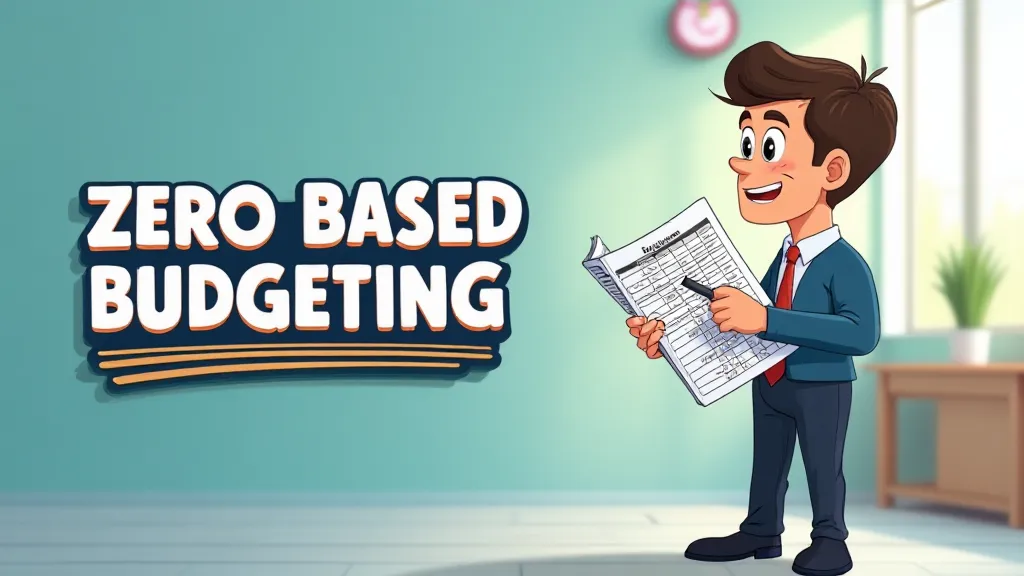
This connects to the ‘Frugal Chic’ philosophy. According to a Spectator article, it’s about “living luxuriously while spending intentionally,” a concept popularized by influencers like Mia McGrath. This reframes budgeting from a narrative of deprivation to one of intentional curation—a form of value-based spending. For a powerful method to assign every dollar a job and align spending with your loud goals, explore our detailed guide on Zero-Based Budgeting.
Step 2: Craft Your ‘Hell Yes’ Budget & The ‘No’ List
The most effective budgets aren’t about cutting everything; they’re about fiercely protecting what matters most. Start by identifying 3-5 ‘Hell Yes’ spending categories—non-negotiables that bring immense value, like high-quality groceries, mental health services, or learning subscriptions. Everything else becomes negotiable.
Next, create your personal ‘No’ List. This is your script for Loud Budgeting conversations. It turns vague restraint into clear declarations: “I’m not doing brunch every weekend this month,” or “I’m not buying new clothes until Q4.” This clarity is empowering and reduces decision fatigue.
A critical warning: beware of Buy Now, Pay Later (BNPL) traps. Data shows Gen Z now uses BNPL more than credit cards. These services train users to think in terms of small monthly payments rather than the total cost, a cognitive trick that directly undermines intentional frugal living. They reduce the “pain of paying,” making it easier to overspend.
Step 3: Master the Art of the ‘Loud’ Money Conversation
This step makes the practice social and sustainable. Have scripts ready. To friends: “I’m on a 30-day no-restaurant challenge to hit my savings goal, let’s do a potluck!” To family: “I’m prioritizing my debt payoff this year, so I’m gifting experiences instead of things.” On social media, you might share a win: “Just hit my first $1K in my emergency fund by brewing coffee at home!”
The key is to focus on offering an alternative, not just rejection. It’s proactive community-building. Use “I” statements and positive framing to reduce social friction. This turns a potential point of conflict into an invitation for shared, cost-effective experiences.
This practice aligns with the broader rise of ‘deinfluencing’. As noted in coverage of this trend, creators are actively encouraging people not to buy. Loud Budgeting is the positive, actionable counterpart to this—a personal system for social media finance that promotes conscious consumption over mindless buying.
Pitfalls to Avoid: When Loud Budgeting Goes Wrong
Observing how trends get misapplied online reveals common pitfalls. Mistake 1: Budget Shaming. Loud Budgeting is personal, not prescriptive. It’s about declaring your own goals, not judging others’ choices. The moment it becomes a tool for superiority, it loses its communal power and trustworthiness.
Mistake 2: Performance Over Progress. Don’t just talk about money; use the social accountability you’ve created to take consistent action. There’s a necessary balance. As a financial commentary page wisely noted, “Real wealth comes from stacking quietly…” The vocal declaration is the catalyst, but the quiet, consistent discipline builds the actual wealth.
Mistake 3: Using ‘Loud’ as an Excuse for Complacency. Transparency must lead to action, not just confession. Simply stating “I’m broke” without a plan for change is not Loud Budgeting; it’s venting. The framework is designed to move you from awareness to empowerment, not to trap you in a cycle of passive acknowledgment.
Advanced Loud Budgeting: From Transparency to Financial Independence
The natural progression for those who master the basics is to leverage their accountability circle for more advanced goals. The same community that helped you skip brunch can evolve into a mastermind group for evaluating index funds or providing mutual support for aggressive debt payoff using the snowball or avalanche method.
Celebrate foundational milestones loudly. The ‘Loud’ Emergency Fund—making your safety net a non-negotiable, celebrated goal—is a cornerstone of true financial planning. Shout it from the rooftops when you save your first one month, then three months, of expenses. This reinforces the behavior and inspires others.

The ultimate goal is the evolution from Loud Budgeting to ‘Quiet Confidence’. This is the stage where your financial security is so robust, your habits so ingrained, and your community so supportive that you no longer need to broadcast your constraints. Your financial independence speaks for itself through your choices and peace of mind.
The Future of Money: Is Loud Budgeting a Lasting Shift?
Projecting forward based on current data, this looks like more than a passing trend. Industry analysis, such as a report on Zegna’s generational pivot, notes that quiet luxury remains a “structural market requirement” for high-net-worth individuals. However, for the mainstream, especially Gen Z, the durable trend is toward conscious consumption—value, authenticity, and durability over discreet logos.
The broader impact will reshape marketing. Brands that wish to engage a Loud Budgeting generation must lead with authenticity, transparent value, and product longevity. Marketing that relies on exclusivity and aspiration will struggle. The conversation is shifting from “What does this purchase say about me?” to “What does this purchase do for me?”
In conclusion, Loud Budgeting is a powerful, accessible tool for navigating economic uncertainty with agency and community. It won’t solve systemic inequality, but it provides a pragmatic framework for individual and collective financial resilience. It represents a significant evolution in Gen Z money trends, moving finance out of the shadows and into the supportive light of shared goals.
FAQs: Loud Budgeting in 2026
FAQs: ‘money mindset’
Q: Isn’t Loud Budgeting just being cheap and talking about it?
Q: How do I deal with friends who feel judged or offended when I say ‘no’ to plans?
Q: Can Loud Budgeting work if I have a very low income?
Q: Should I post my budget or savings goals on social media?
Q: How is this different from the FIRE (Financial Independence, Retire Early) movement?
🏛️ Authority Insights & Data Sources
▪ Cultural Trend Analysis: The decline of ‘quiet luxury’ and rise of expressive spending is tracked by trend platforms like Greyjournal.net, which reported on Pinterest search data (+225% for ’80s luxury’) and Gen Z’s rejection of stealth wealth.
▪ Consumer Behavior Data: Reports from SheKnows highlight ‘expectation inflation’ and the pervasive use of BNPL schemes among Gen Z, shaping their financial psychology.
▪ Market & Industry Context: The luxury sector’s adaptation is covered in financial analyses, such as the Zegna generational pivot report, noting the shift towards ‘conscious luxury.’
▪ Note: This analysis integrates publicly available trend reports, consumer studies, and market commentary to outline a shifting financial mindset. Individual financial strategies should be personalized.