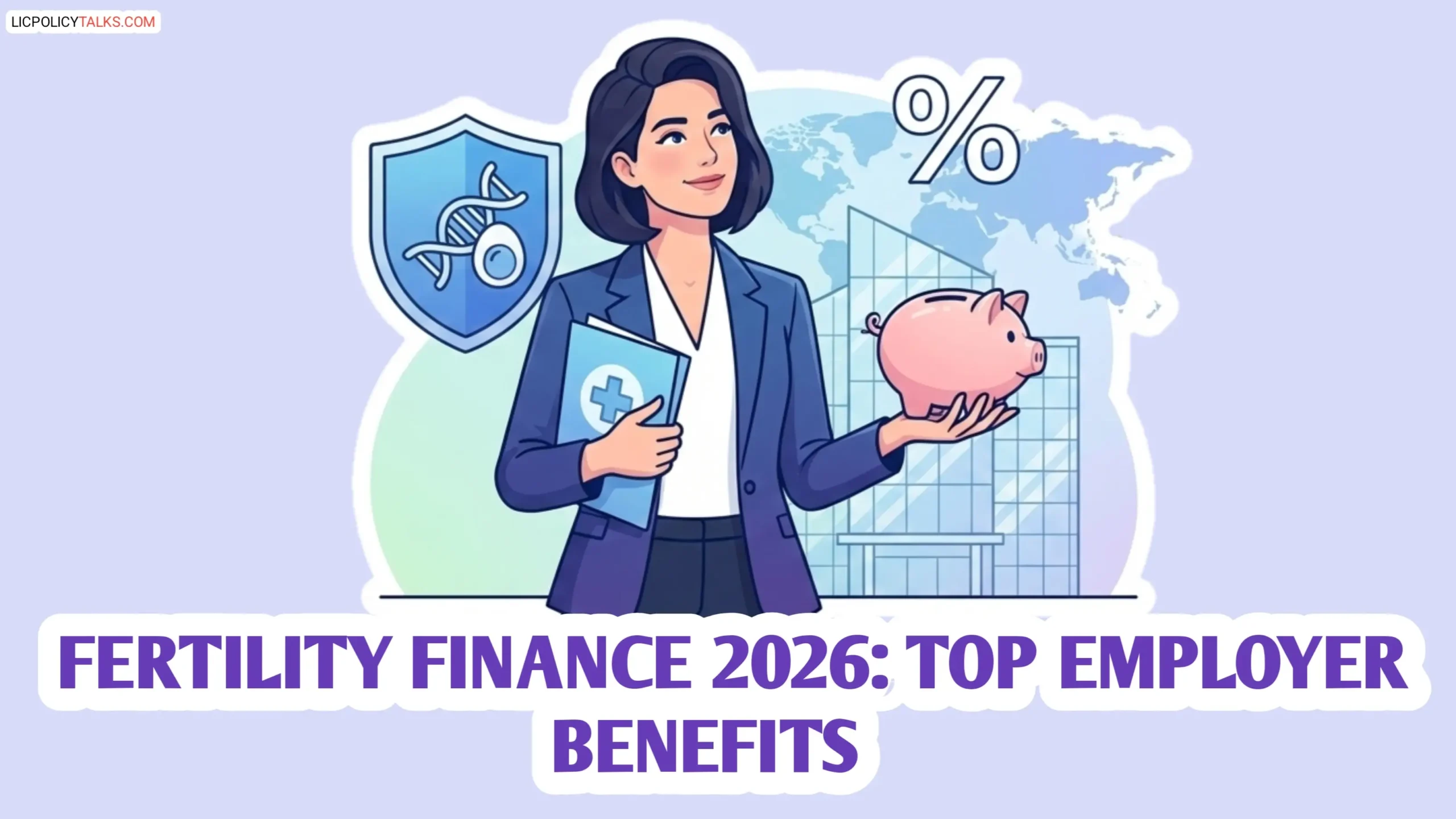
Hi friends! Let’s talk about something that feels incredibly personal but has a massive price tag attached to it: building a family. If you’ve ever looked into fertility treatment like IVF coverage or egg freezing, you know the numbers can be shocking. Honestly, it’s a journey filled with hope, but also with complex financial spreadsheets. That’s where your job can make all the difference. In this global guide, we’re going to break down the future of workplace fertility support. You’ll get a forward-looking ranking of the best employer benefits for 2026 and actionable strategies, whether you’re planning your own path or designing a package for your team.
Navigating the world of fertility finance—the art of funding your family-building journey—is becoming a core part of modern life planning. As costs rise, forward-thinking companies are stepping up as crucial financial partners. This guide provides a projected 2026 ranking of top global family planning benefits to help you plan and advocate effectively.
The Rising Cost of Hope: Why Fertility Finance is 2026’s Most Critical Workplace Benefit
The dream of having a family carries an immense emotional weight, and for millions, that path involves assisted reproduction. The World Health Organization highlights that infertility affects roughly 1 in 6 people globally, making it a common health challenge. When you add the financial reality—a single IVF cycle can cost between $12,000 and $25,000, with egg freezing adding another $10,000+—the stress multiplies. The concept of ‘fertility finance’—strategically managing the high costs of family-building—has never been more critical.
This is where the modern employer enters the picture, transforming from a simple paycheck provider to a pivotal partner in an employee’s life goals. The purpose of this article is to cut through the noise. We’re providing a forward-looking, globally-informed projection of the top 10 employer fertility treatment and financing benefits for 2026. Whether you’re an employee evaluating a job offer or an HR professional building a competitive, compassionate package, this global guide is for you.
The Business Case: Why Smart Companies Are Investing in Reproductive Health
You might wonder, why would a company pour significant resources into reproductive health benefits? The answer is a powerful return on investment. For the talent market—especially millennials and Gen Z—comprehensive family planning benefits are a major differentiator. Offering robust support for assisted reproduction is a proven tool for attracting top candidates and, more importantly, retaining valued employees who feel genuinely supported in their life goals. It boosts productivity by reducing the distracting financial and emotional strain that comes with funding treatments independently.
Furthermore, it’s a cornerstone of authentic DE&I (Diversity, Equity & Inclusion) strategies. As a Forbes analysis on why reproductive health benefits are a smart investment points out, these benefits support a diverse workforce, including LGBTQ+ employees and singles, creating a more equitable workplace. Investing in workplace fertility is no longer a niche perk; it’s a strategic imperative for building a resilient, loyal, and inclusive workforce.
This investment also allows for targeted support for specific health needs. For instance, supporting employees with conditions like Polycystic Ovary Syndrome (PCOS), a leading cause of infertility, through dedicated benefits and resources is an often-overlooked opportunity for deeper health inclusivity and better outcomes.
Our 2026 Global Ranking: Methodology & Evaluation Criteria
Transparency is key. Our ranking for 2026 isn’t a snapshot of today, but a data-driven projection based on current trends, policy announcements, and benefits evolution across leading global industries. We evaluated potential leaders against five core criteria, each weighted to reflect its importance in true, comprehensive fertility finance support.
First, Financial Coverage Limit/Cap (30% weight): The lifetime or annual maximum dollar amount. Second, Scope of Treatments Covered (25%): Does it include IVF, elective egg freezing, medications, genetic testing (PGT-A), and surgery? Third, Eligibility & Inclusivity (20%): Are there restrictive age or tenure limits? Are LGBTQ+ families and single individuals covered for the services they need? Fourth, Support Services (15%): Access to fertility concierges, mental health counseling, and dedicated medical leave. Fifth, Global Accessibility (10%): Consistency and portability of the benefit for employees in different countries.
2026 Ranking Criteria Weighting
The Top 10 Global Employers for Fertility Finance in 2026
1. The Gold Standard: Leading Tech Conglomerate
Projected Benefit: A staggering $75,000 lifetime benefit for all fertility treatment, including unlimited cycles of IVF and egg freezing for any reason. It fully covers donor services, surrogacy, and fertility preservation for medical reasons like cancer treatment.
Differentiators: No tenure requirement, immediate eligibility for part-time staff (20+ hours/week), and a world-class, dedicated fertility concierge team that handles clinic coordination and travel logistics globally.
Why #1 for 2026: This package is projected to set the new benchmark, removing virtually every financial, logistical, and inclusive barrier. It represents the ultimate commitment to employee-led family planning benefits.
2. The Healthcare Pioneer: Global Pharma Giant
Projected Benefit: $50,000 annual benefit with a focus on holistic wellness and cutting-edge care. Covers IVF, egg freezing, and experimental or personalized protocols where standard treatments have failed.
Differentiators: Deep integration with the company’s own R&D, offering employees early access to innovative reproductive technologies. Includes exceptional support for complex cases like recurrent pregnancy loss.
Why #2 for 2026: Leverages its core medical expertise to provide not just funding, but potentially superior care pathways, making it a powerful benefit for health-conscious talent.
3. The Financial Sector Leader: Multinational Bank
Projected Benefit: A robust $60,000 lifetime cap covering IVF, egg freezing, and adoption expenses equally. Features strong medication coverage and financial planning services specifically for family-building.
Differentiators: Seamless global portability for expatriate employees. Partners with top-tier clinics in every major financial hub, ensuring consistent quality of care for a mobile workforce.
Why #3 for 2026: Excels in global accessibility and stability, offering a high-value, predictable benefit that appeals to its international employee base and reinforces its brand of security.
4. The Consulting Powerhouse: Management & Strategy Firm
Projected Benefit: $40,000 lifetime benefit with a unique “career flex” component. Offers additional paid leave specifically for treatment cycles and recovery, acknowledging the time-intensive nature of the process.
Differentiators: Truly inclusive policy with equal access for all paths to parenthood (IVF, surrogacy, adoption). Includes premium subscriptions to fertility tracking and educational platforms.
Why #4 for 2026: Recognizes that true support isn’t just monetary; it’s about time and flexibility. This holistic approach is key for retaining demanding, high-performing talent.
5. The Retail & Logistics Innovator
Projected Benefit: $25,000 benefit with no age limit, a standout feature for an industry employing a wide age range. Covers IUI, IVF, and egg freezing, with a simple, direct reimbursement model.
Differentiators: Offered to both salaried and full-time hourly employees from day one. Includes partnerships with local clinic networks to ensure accessible care near distribution centers and stores.
Why #5 for 2026: Democritizes access to fertility finance in an industry where such benefits are rare, signaling a major shift in blue-chip corporate responsibility and setting a new standard for frontline worker support.

6. The Automotive & Engineering Titan
Projected Benefit: $30,000 benefit with a strong emphasis on fertility preservation for employees undergoing medical treatments. Covers egg, sperm, and embryo freezing with high medication limits.
Differentiators: Integrated with the company’s exceptional occupational health program. Provides on-site counseling and support groups specifically for employees navigating medical fertility preservation.
Why #6 for 2026: Goes beyond elective family-building to provide critical, compassionate support for health-related fertility risks, showcasing a deep duty of care.
7. The Media & Entertainment Giant
Projected Benefit: $35,000 lifetime benefit known for its creative and flexible use. Can be applied to IVF, gestational surrogacy, or egg donation cycles, with coverage for legal fees associated with surrogacy.
Differentiators: Offers “family-forming” stipends for non-medical costs like adoption agency fees or initial legal consultations for surrogacy. Culture actively celebrates diverse family stories.
Why #7 for 2026: Understands that family-building isn’t one-size-fits-all and provides the financial flexibility to match, resonating deeply with a creative and diverse workforce.
8. The Legal Industry Leader
Projected Benefit: Two options: a $20,000 annual benefit or a $50,000 lifetime benefit. Known for comprehensive fertility insurance that includes diagnostic testing and treatment for underlying conditions like endometriosis.
Differentiators: Provides exceptional leave policies for “productive absence” related to treatment. Internal mentorships connect employees going through similar journeys.
Why #8 for 2026: Combines strong financial coverage with a supportive, understanding culture that acknowledges the professional and personal juggle, which is vital in high-pressure fields.
9. The Hospitality & Travel Brand
Projected Benefit: A unique “shared-care” model. Offers a $15,000 core benefit, supplemented by a company-matched employee donation fund that colleagues can contribute to for extra support.
Differentiators: Extensive network of partner clinics in popular travel destinations, allowing for “treatment-cation” flexibility. Strong support for egg freezing for employees with irregular, travel-heavy schedules.
Why #9 for 2026: Innovates with a community-supported funding model and leverages its industry strength (global travel) to provide unique logistical benefits.
10. The Telecommunications Network
Projected Benefit: $20,000 benefit with a standout feature: it covers fertility treatments for employees, their domestic partners, and extends a smaller benefit to support adult children’s fertility journeys.
Differentiators: Multi-generational support approach. Robust telehealth component for consultations and monitoring, making it highly accessible for employees in remote or rural areas.
Why #10 for 2026: Recognizes fertility as a multi-generational family concern and uses its connectivity expertise to bridge geographic access gaps, making it a leader in demographic reach.
Beyond the Package: Navigating Gaps, Exclusions, and Fine Print
Even the best-looking fertility insurance or benefit package has fine print. The most common limitation is the definition of “medically necessary” versus “elective” for procedures like egg freezing. Some plans only cover freezing if you have a cancer diagnosis, not for age-related fertility decline. Age cut-offs (like stopping IVF coverage at 44) and prior authorization hurdles that delay treatment are also frequent pain points. Always look beyond the coverage cap to understand what specific treatments are included and under what conditions.
Global access remains a thorny issue. A benefits package headquartered in the US or Europe might not translate seamlessly to other regions due to local laws and clinic availability. A case study on the need for assisted reproduction regulations in the Philippines highlights how regulatory gaps can create significant barriers to access, even if the employer’s intent is global. This disparity means employees in different countries may have vastly different experiences with the same corporate policy.
Your mission is to become a benefits detective. Ask HR or your provider: Is there a waiting period? Does the cap reset annually or is it a lifetime max? Are medications, anesthesia, and genetic testing included in the cap or separate? What is the process for seeking care out-of-network? Getting clear answers upfront is a crucial part of your fertility finance strategy.
The Technology & Personalization Frontier
Technology is revolutionizing fertility treatment itself, which will directly impact employer benefits. Machine learning and AI are moving from buzzwords to practical tools. For example, research published in Nature shows that AI models trained on specific IVF clinic data can predict live birth outcomes more accurately than generic national models. This means more personalized treatment plans and potentially higher success rates per cycle. The future of fertility care is hyper-personalized, data-driven, and increasingly efficient.
Forward-thinking employers in 2026 will likely partner with clinics that leverage this AI, not just to offer a benefit, but to offer a more effective one with better outcomes. This could even help manage overall program costs by reducing the number of failed cycles. As access and prevalence of IVF continue to be discussed globally, the integration of tech promises to make high-quality, personalized care a more standard expectation within top-tier employer benefits packages.
Actionable Fertility Finance Strategies for 2026
For Employees & Prospective Hires
- Evaluate rigorously: Don’t just ask “is there a fertility benefit?” Ask for the Summary Plan Description (SPD). Check the cap, treatment list, pharmacy coverage, and network.
- Negotiate with confidence: Use data from guides like this to frame it as a standard for top talent. If a full program isn’t possible, propose a pilot or a stipend.
- Plan your personal finance: Maximize Health Savings Accounts (HSAs) or Flexible Spending Accounts (FSAs). Research fertility grants and loans as a backup. Start saving early, even if you have coverage.
For HR & Benefits Leaders
- Build the business case: Use the ROI arguments from talent attraction, retention, and DE&I. Present data on utilization and employee satisfaction from early-adopter companies.
- Design inclusively: Ensure the benefit serves LGBTQ+ employees, singles, and those with medical needs. Cover donor material, surrogacy, and fertility preservation.
- Communicate & measure: Launch the benefit with clear, compassionate messaging. Track key metrics like utilization rates, employee retention surveys, and feedback to demonstrate value and guide improvements.
| Benefit Feature | Top Tier (e.g., Rank #1) | Industry Average | Basic Plan |
|---|---|---|---|
| Coverage Cap | $75,000 Lifetime | $25,000 – $40,000 | $10,000 or Diagnostic Only |
| Egg Freezing Coverage | Included, Any Reason | Often “Medical Only” | Typically Excluded |
| IVF Cycles Covered | Unlimited (within cap) | 3-4 Cycle Maximum | 1 Cycle or Not Covered |
| Medication Coverage | Separate, Generous Cap | Included in Main Cap | Limited or Out-of-Pocket |
| Eligibility Waiting Period | None (Day 1) | 6-12 Months | 1 Year+ |
| Surrogacy/Donor Support | Fully Covered | Limited or Excluded | Not Covered |
FAQs: Fertility Finance & Employer Benefits
Q: What’s the average employer contribution for egg freezing in the US?
Q: If my company doesn’t offer fertility benefits, can I negotiate for them?
Q: Are fertility benefits typically available to same-sex couples and single individuals?
Q: How does fertility treatment coverage work with my general health insurance?
Q: What are the tax implications of using employer-provided fertility benefits?
The Future of Family-Building is a Shared Financial Responsibility
Looking ahead to 2026, the trend is crystal clear: comprehensive fertility and family planning benefits are rapidly transitioning from a luxury perk to a non-negotiable component of holistic compensation and healthcare. They signal that a company values its employees as whole people, with lives and dreams that extend beyond the office.
This shift means proactive fertility finance planning is essential, both on a personal level and a corporate one. For individuals, it’s about informed advocacy and smart financial planning. For companies, it’s a strategic investment in human capital. The future of family-building is, thankfully, becoming a shared financial responsibility. Use the insights from this global guide to start the conversation, evaluate your options, and build a future where hope isn’t weighed down by cost.