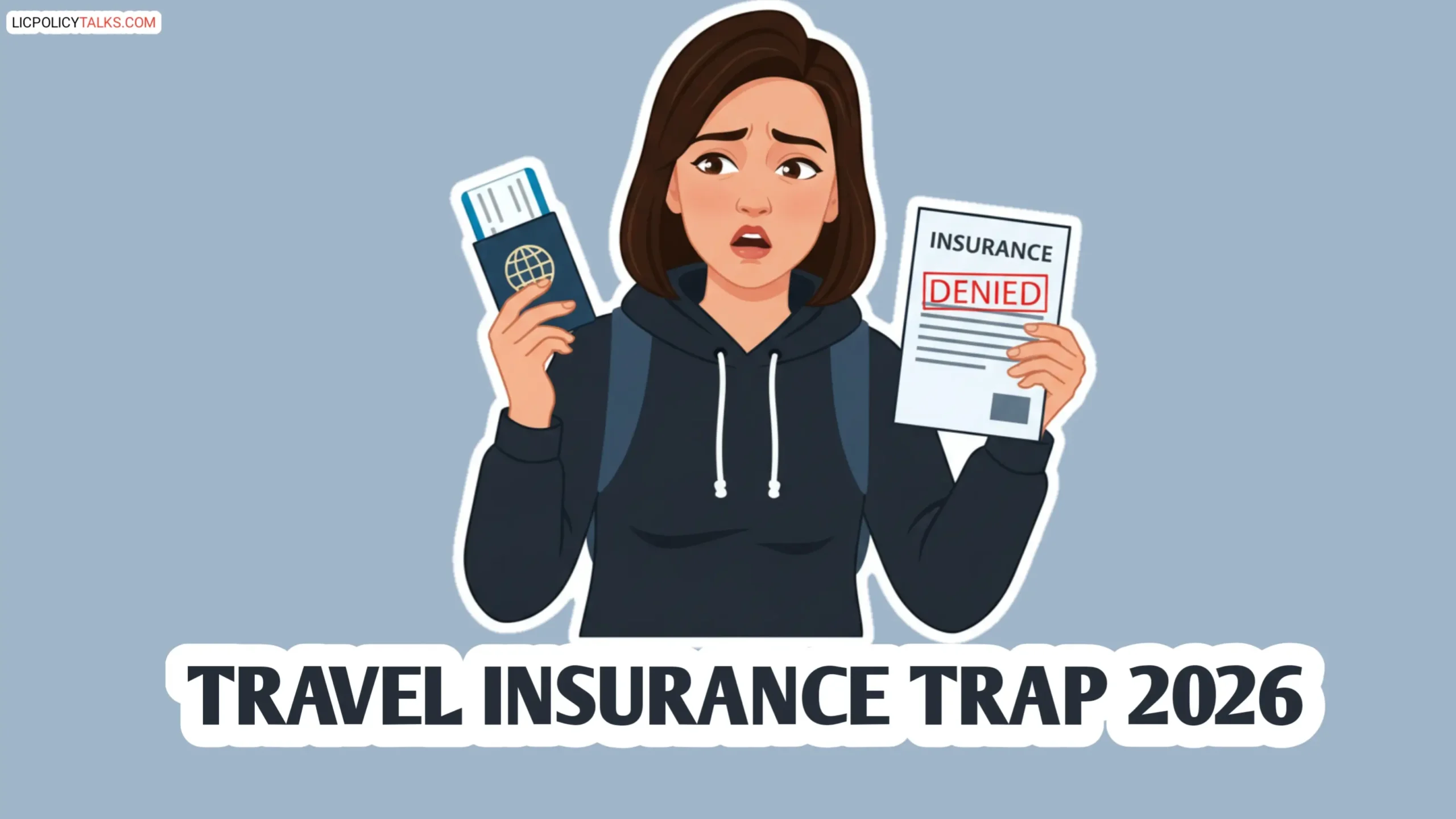
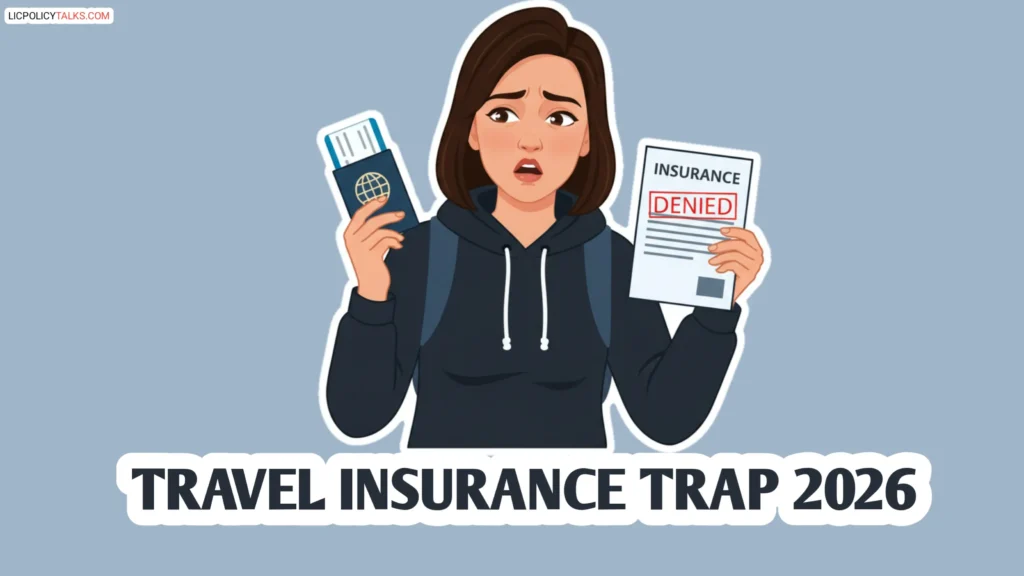
Hi friends! Picture this: a family has spent a year saving for their dream trip to Paris. Flights are booked, the hotel is paid for. Then, a week before departure, major, widespread protests erupt across France. Fearing for their safety, they cancel. They file a claim with their “comprehensive” travel insurance, only to get a cold denial letter citing an exclusion for “civil unrest.” What if the safety net you paid for simply vanishes when you need it most?
This isn’t a rare nightmare; it’s a growing reality tied to a specific legal clause creeping into policies. Today, we’re uncovering the Force Majeure Loophole 2026, explaining why this coverage gap is widening, and giving you a real action plan to avoid being left financially stranded.
The Illusion of Coverage: When ‘Comprehensive’ Isn’t
Most of us buy trip cancellation insurance thinking it’s a catch-all safety net. We assume “trip cancelled” means any major, unavoidable disruption. Honestly, that’s what they want you to think when they highlight the benefits. But the devil isn’t in the benefits; it’s in the exclusions.
Standard policies work by listing specific “covered reasons”—like you getting sick, a hurricane grounding flights, or being called for jury duty. Everything else? It’s excluded. And the most significant, least-understood category of exclusions is for geopolitical events.
Major insurers are explicitly classifying civil unrest and acts of war as uninsurable events. This shift is turning standard travel insurance exclusions into a minefield for the modern traveler. You might be covered for a broken leg, but not for a broken city.
Force Majeure Decoded: It’s Not Just an ‘Act of God’ Anymore
So, what’s the magic word insurers use? Force majeure. It’s a fancy legal term for “superior force.” Traditionally, it covered unpredictable natural disasters—”Acts of God” like earthquakes or tsunamis. But here’s the critical twist for 2026 travel.
Modern travel insurance contracts have aggressively expanded the force majeure clause to include man-made chaos: civil unrest, war, terrorism, and political instability. When an event is classified as force majeure, the insurer’s obligation to pay is legally nullified. This critical exclusion means that even if a government issues a formal travel warning, policyholders may find their cancellation claims denied. The clause has evolved from covering acts of nature to absolving insurers from acts of mankind.
The 2026 Coverage Gap: What’s In, What’s Out?
Travel Insurance Coverage for Disruption Events (2026 Trend)
As the visual above shows, the coverage for geopolitical events is collapsing while coverage for personal or logistical issues remains strong. This isn’t a minor tweak; it’s a fundamental rewrite of the risk insurers are willing to take.
Why 2026? The Industry’s Pivot to a Harder Line
You might wonder, why is this becoming a big issue now? The drivers are clear: global instability is rising, and these events are happening more often. After massive payouts for pandemic-related claims and disruptions from regional conflicts, insurers are recalibrating. They now see widespread civil unrest or war as actuarially “uninsurable” at a mass-market scale.
The industry trend is moving towards narrower definitions of covered cancellations, with 2026 policy updates expected to further solidify these exclusions in the fine print. This isn’t about one company being stingy; it’s a sector-wide shift. Policies you buy today for trips in 2026 and beyond will likely contain the most explicit and restrictive language we’ve seen yet. The industry euphemism for this is creating “travel protection gaps.”
So, when you see 2026 travel warnings or news about instability, understand that the insurance policy loopholes are being tightened in real-time, long before you even book your flight.
Stranded and Liable: The Financial Fallout for Travelers
Let’s talk real-world consequences, because this isn’t abstract. The financial risk is concrete: losing thousands on non-refundable flights, hotels, and tours. Imagine being on the hook for a $5,000 vacation you couldn’t take because your destination became a news headline.
But it gets worse. If you’re already abroad when unrest breaks out, secondary costs skyrocket. Last-minute evacuation flights and safe alternate accommodations can cost a fortune—and they’re also unlikely to be covered. You’re left paying for peace of mind but receiving a legal denial letter, facing the full loss of prepaid expenses for flights and accommodations.
Consider the story of travelers caught in a sudden, peaceful protest that turned volatile. Their hotel was in the center of it. They couldn’t leave, and their insurer said the escalating situation was a “political event” and therefore excluded. They felt utterly betrayed by the safety net they’d paid for.

Don’t Get Caught: Your 5-Step Action Plan for 2026+ Travel
Step 1: Scrutinize the ‘Exclusions’ Section, Not the Benefits
This is your new rule. Before buying, download the policy PDF and use the search function. Look for the words: “war,” “civil commotion,” “riot,” “political unrest,” and “force majeure.” If you see them listed as exclusions, assume you have NO coverage. Consequently, travelers must meticulously review their policy documents, as assuming coverage for geopolitical events is a costly misconception.
Step 2: Consider ‘Cancel For Any Reason’ (CFAR) Upgrades
This is the closest thing to a loophole fix. A CFAR upgrade typically reimburses 50-75% of your trip cost if you cancel for, well, any reason. It’s more expensive and must usually be purchased within 10-21 days of your first trip deposit. For high-cost trips to potentially unstable areas, the math might work in your favor.
Step 3: Seek Specialized Providers for High-Risk Regions
If you’re a journalist, NGO worker, or business traveler heading to a volatile region, standard policies are useless. Look for niche brokers or insurers specializing in high-risk travel. They offer true civil unrest coverage and war cancellation policy options, but be prepared for significantly higher premiums.
Step 4: Book with Flexibility
Use refundable airfares and hotel rates. Book with airlines and chains known for generous change policies. Also, check your credit card’s built-in trip protection benefits—they sometimes have different rules, though coverage limits are often lower.
Step 5: Monitor Government Travel Advisories Proactively
While a “Do Not Travel” warning may not automatically trigger your insurance, it’s your best independent risk indicator. Bookmark your government’s official travel advisory site and check it regularly before and during your trip planning.
FAQs: ‘trip cancellation insurance’
Q: If my government issues a ‘Do Not Travel’ warning for my destination, will my insurance cover cancellation?
Q: Are there any travel insurance companies that DO cover civil unrest?
Q: Does ‘terrorism’ fall under the same force majeure exclusion as war and civil unrest?
Q: I’m traveling for business to a potentially unstable region. What are my best options?
Q: How can I prove the reason for my cancellation if I need to claim?
The Bottom Line: Protect Your Wallet, Not Just Your Trip
The clear takeaway is this: the travel insurance safety net has a known, widening hole specifically for geopolitical chaos. This doesn’t mean you should skip insurance altogether. Its value for medical emergencies, baggage loss, and standard cancellations remains strong.
But you must buy with your eyes wide open. For your 2026 travel plans and beyond, let the first item on your packing list be a thorough, skeptical review of your insurance policy’s fine print. Protect your wallet with knowledge, so you can protect your trip with confidence.