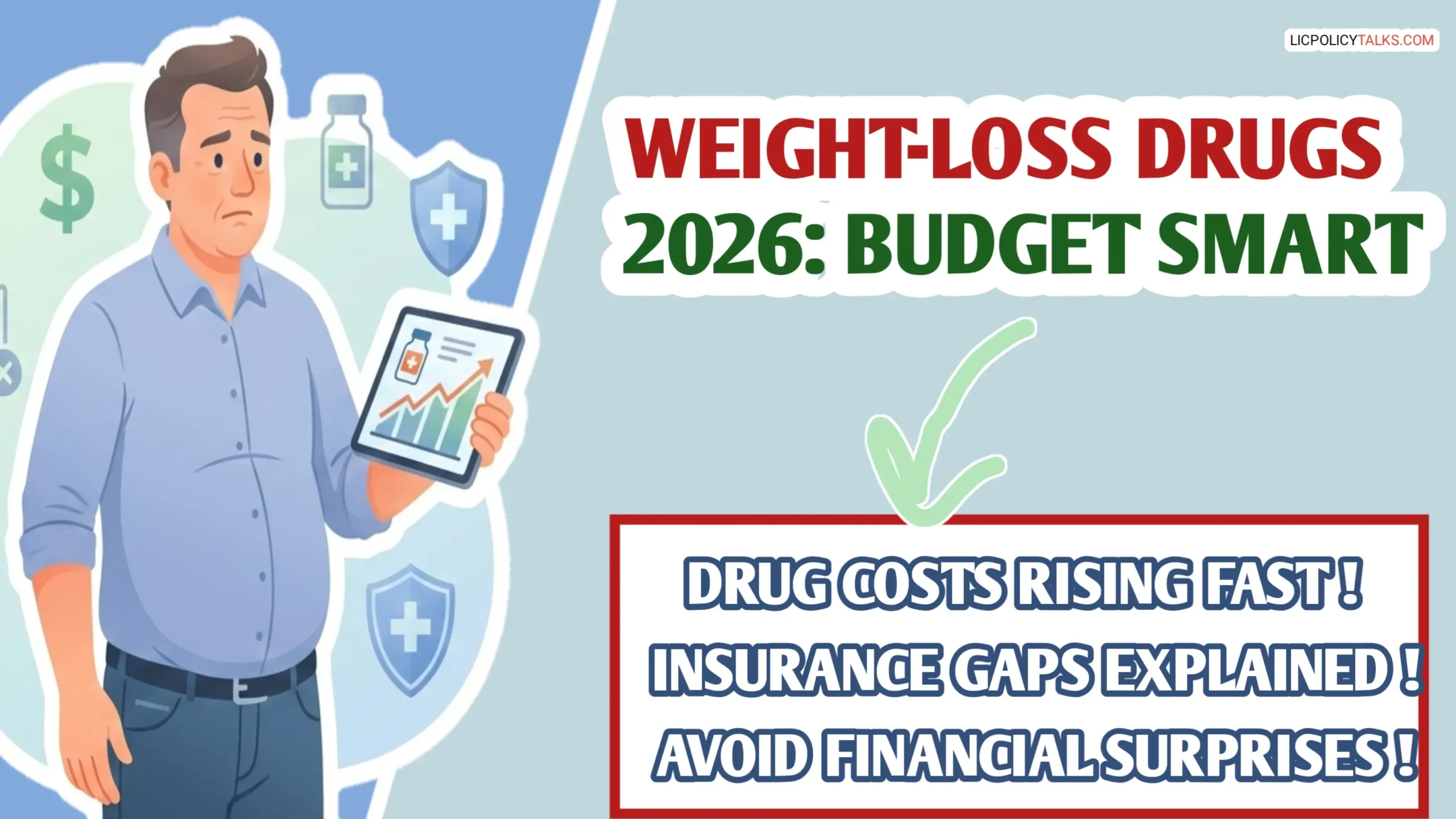

Hi friends! Let’s talk about something that’s been weighing on a lot of minds—literally and financially. You’ve probably heard the amazing stories about drugs like Ozempic and Wegovy. They’re changing lives, helping people manage weight and diabetes in ways we’ve never seen. But honestly? There’s a storm cloud behind that silver lining. For many, this medical breakthrough is turning into a serious financial headache. If you’re worried about how you’ll afford these treatments in the coming years, you’re not alone. This guide is here to walk you through the coming budget crunch and, more importantly, give you a real, step-by-step plan to navigate it.
By 2026, having a proactive GLP-1 budget won’t be a luxury—it will be a necessity. Rising weight-loss drug costs and increasingly uncertain insurance coverage mean we all need to get smart with our health finances today. Let’s break down the costs, look at what 2026 has in store, and build your personal financial fortress together.
Decoding the Price Tag: Why GLP-1 Drugs Strain Your Wallet
First things first: let’s understand the sticker shock. These drugs are expensive. The high price isn’t just for show; it comes from years of costly research, complex manufacturing, and sky-high demand. For someone without coverage or with a high-deductible plan, the full brunt of that list price lands squarely in your pocket. And even with insurance, “coverage” often means jumping through hoops like prior authorizations, leaving many in a frustrating coverage gap.
| Drug (Brand) | Common Use | Monthly List Price | Typical Monthly Out-of-Pocket (No Insurance) |
|---|---|---|---|
| Semaglutide (Wegovy) | Weight Loss | $1,300 – $1,600 | $1,300 – $1,600 |
| Semaglutide (Ozempic) | Type 2 Diabetes | $900 – $1,000 | $900 – $1,000 |
| Tirzepatide (Mounjaro/Zepbound) | Diabetes/Weight Loss | $1,000 – $1,300 | $1,000 – $1,300 |
Looking at that table, the reality hits hard. An annual Ozempic cost or Wegovy price can easily rival a car payment or a significant chunk of rent. This is why understanding your potential out-of-pocket expenses is the non-negotiable first step in any financial plan.
The 2026 Crossroads: Policy Shifts and Your Pocketbook
So, what’s coming down the pipeline? The 2026 projections present a tug-of-war for your wallet. On one hand, recent announcements have pointed toward potentially lower GLP-1 prices due to political and market pressure. That’s the good news. But on the other hand, the broader system is tightening its belt. Medicaid officials are expressing significant budgetary caution, which often translates to stricter insurance coverage rules, more prior authorizations, and narrower formularies at the state level.
Furthermore, broader Medicare changes slated for 2026 introduce new variables for seniors, including potential adjustments to Part D premiums and drug pricing structures. The crucial takeaway is this: even if the drug’s list price dips, your personal cost through premiums and co-pays may very well rise. This systemic pressure makes personal healthcare budgeting more critical than ever. You can’t control policy, but you can absolutely control your preparedness.
For Affordability
Against Affordability
Building Your Fortress: A 4-Step GLP-1 Financial Plan for 2026
Knowledge is power, but a plan is control. Let’s move from worry to action with a concrete 4-step financial planning strategy for your GLP-1 budget.
Step 1: The Cost-Benefit Audit. Grab a calculator. If your out-of-pocket cost is $1,200 monthly, that’s $14,400 a year. Now, weigh that against the benefit. Is it managing a serious health condition? Improving your quality of life? Put a tangible value on the benefit to see if the cost aligns.
Step 2: The Dedicated Savings Vehicle. This is your core savings plan. Open a separate high-yield savings account nicknamed “Health Fund.” If you’re eligible, a Health Savings Account (HSA) is a golden ticket—triple tax advantages! Based on our table, start saving $200-$300 per month now to build a buffer. The single most powerful thing you can do is start this fund today, no matter how small the first deposit.

Step 3: The Insurance Deep Dive. Don’t guess, ask. Call your insurer. Script: “Hello, I’m planning my healthcare for 2026. Can you tell me if [Drug Name] is expected to stay on your preferred formulary? What are the prior authorization criteria? Are there any expected changes to the tier or co-pay?” Document the agent’s name and the date.
Step 4: The Contingency Fund. Beyond your main savings, aim for an extra $1,000-$2,000 buffer specifically for healthcare surprises—a denied claim, a price hike, or a need to switch medications. This is your financial airbag.
Navigating Coverage Denials: Practical Strategies to Reduce Costs
What if insurance says no? Don’t panic. You have options to lower those out-of-pocket expenses.
Patient Assistance Programs (PAPs): Manufacturers like Novo Nordisk (Ozempic/Wegovy) and Eli Lilly (Mounjaro/Zepbound) offer programs for qualifying low-income individuals. Eligibility is strict, but it’s always worth checking their official websites.
Pharmacy Discount Cards & Coupons: Sites like GoodRx or SingleCare can sometimes slash the cash price by 10-20%. They’re not insurance, but they’re a useful tool at the pharmacy counter. Just double-check they work for your specific drug and pharmacy.
Alternative Medications: Talk to your doctor about older, generic affordable alternatives like phentermine. They’re far less expensive (often under $50/month) but may have different side effects and efficacy. It’s a trade-off to discuss openly.
The Power of Lifestyle: Think of diet and exercise as financial leverage. Combining medication with lifestyle changes can potentially allow for a lower, less expensive maintenance dose, stretching your budget further. It’s not about replacing the drug, but optimizing its use for your health and your wallet.

Beyond 2026: Long-Term Financial Wellness with Chronic Conditions
The final step is a mindset shift. Move from a single-drug budget to a holistic health budget. This is lifelong financial planning. Make it a habit to review all your insurance options every open enrollment—plans change yearly. Consider finding a financial advisor who gets healthcare budgeting. Proactive planning turns anxiety about the future into a feeling of control over it.
FAQs: ‘out-of-pocket expenses’
Q: Will GLP-1 drugs like Ozempic be covered by insurance in 2026?
Q: What is the single most effective thing I can do now to prepare for these costs?
Q: Are there any reliable patient assistance programs if I have a high income?
Q: Should I consider switching to a more expensive health plan with lower drug co-pays?
Q: How do Medicare changes in 2026 specifically affect GLP-1 costs for seniors?
Conclusion: Taking Control of Your Health and Wealth
The financial challenge of GLP-1 drugs is real, but so are the strategies to manage it. You don’t have to be a passive victim of policy shifts and pricing. Start with one step today—calculate your potential cost, open a savings account, or call your insurer. By taking proactive control, you transform anxiety into empowerment, ensuring your health journey is also a financially sustainable one. Here’s to your health and your wealth!