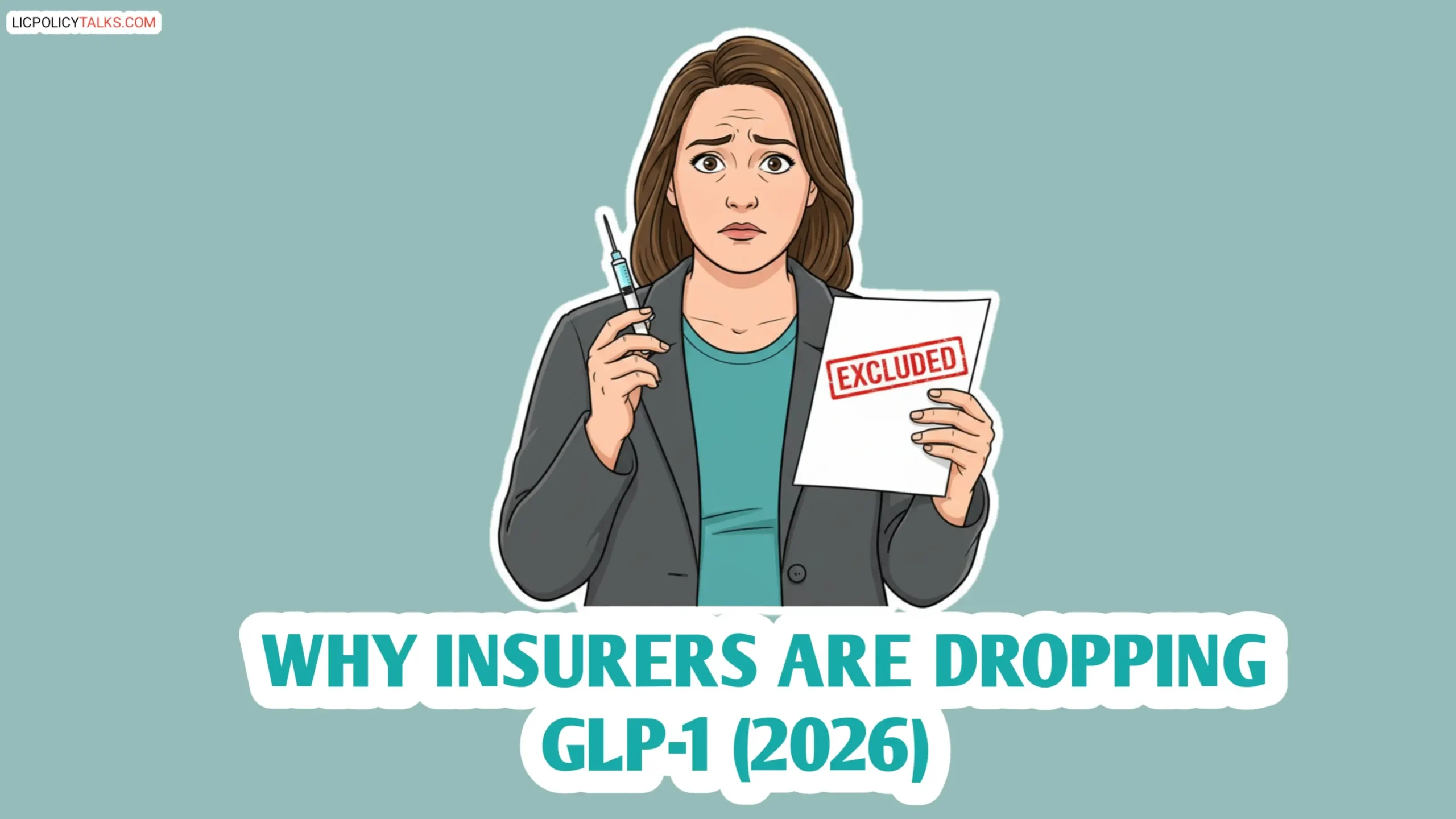
Hi friends! Let’s talk about something that might be causing a lot of anxiety right now. Imagine opening your mail or checking your pharmacy app, only to see a notification that your medication—maybe Ozempic, Wegovy, or Zepbound—is suddenly no longer covered. That gut-punch feeling is becoming a reality for more people as we move toward 2026. This isn’t about you doing anything wrong; it’s about a massive, quiet shift happening behind the scenes in health insurance. Today, we’re going to pull back the curtain on this GLP-1 exclusion trend. We’ll explain exactly *why* it’s happening, and most importantly, give you a clear, step-by-step plan to navigate it, so you don’t feel lost or powerless.
A silent but significant GLP-1 exclusion wave is building through 2024-2026, driven by skyrocketing costs and questions about long-term use. This guide will explain the hidden mechanisms and provide a strategic toolkit to protect your access to these weight loss drugs.
The Hidden Levers: How Insurers Are Quietly Phasing Out Coverage
First things first: the “secretly” part of our title isn’t a conspiracy theory. It’s about the opaque, behind-the-scenes systems most of us never see. Often, it’s not even your main insurance company making the final call. That power frequently lies with a Pharmacy Benefit Manager (PBM)—middlemen like CVS Caremark, Express Scripts, or OptumRx. These PBMs negotiate drug prices and create the drug formulary, which is just a fancy term for the list of medications your plan will pay for.
The most direct tactic is a formulary exclusion—the deliberate removal of a drug from that preferred list. This isn’t theoretical. Take the recent case of CVS Caremark deciding to remove Zepbound from its standard formulary. This single move by one major PBM can ripple out, affecting the coverage for thousands of employer-sponsored and individual plans overnight. One day it’s covered, the next it’s not.
But outright exclusion is just one tool. Insurers and PBMs have a whole playbook of “soft exclusion” tactics designed to make access so difficult that patients give up. These include extreme prior authorization, where the paperwork hurdles become nearly impossible to clear. There’s also step therapy, which mandates you try (and fail on) multiple cheaper, often older drugs first. Other tricks are quantity limits that cap your monthly dose, undermining the treatment’s effectiveness, or simply moving a drug to the highest cost tier (Tier 4 or 5), shifting almost the entire financial burden onto you.
The driving force behind all these moves is a simple, brutal math problem: cost. As highlighted in analyses of employer perspectives on covering GLP-1 agonists, the annual price tag per patient can reach tens of thousands of dollars. Payers are looking at those numbers, questions about long-term adherence, and the potential impact on everyone’s premiums, and deciding the current model is unsustainable.
The GLP-1 Access Funnel: 2024 vs. 2026 Projection
Percentage of patients likely to obtain coverage at each stage.
Your Immediate Action Plan: How to Diagnose Your Coverage Risk
Don’t wait for the denial letter to arrive. The best defense is a good offense. Here’s your four-step plan to figure out exactly where you stand with your insurance coverage.
Step 1: Find Your Documents. Log into your insurer’s portal or your employer’s benefits site. You’re looking for the “Summary of Benefits and Coverage” (SBC) or, even better, the specific “Drug Formulary” list. This is your plan’s rulebook.
Step 2: Decode the Tier System. Formularies organize drugs into Tiers (1-5). Tier 1 is usually cheap generics. Tier 4/5 are specialty drugs with the highest out-of-pocket cost. Find which tier your GLP-1 medication is on.
Step 3: The Direct Call Script. Pick up the phone. Call the number on your insurance card (often for the PBM). Have these questions ready:
- “Is [Ozempic, Wegovy, Zepbound] on my plan’s formulary for the 2026 plan year?”
- “What is its tier, and what is the estimated copay or coinsurance?”
- “What are the specific prior authorization or step therapy requirements for this drug?”
Step 4: Involve Your Physician. Your doctor’s office deals with this daily. Ask them to pre-emptively check coverage or even initiate a “peer-to-peer” review with the insurance company’s doctor if they foresee a denial. For a more detailed script and resources, guides like this one on how to find out if your medication is covered can be incredibly helpful.

7 Pathways to Pay: Your Financial Toolkit If Coverage is Denied
If your coverage is at risk or already gone, don’t panic. This is the core “solution engine” of our guide. You have more options than you might think. Let’s walk through seven practical pathways.
Pathway 1: Manufacturer Savings Cards & Programs. This is your first stop. The makers of Ozempic, Wegovy, Mounjaro, and Zepbound all offer savings programs that can slash your cost to as low as $25 for a month’s supply. The critical catch: you usually must have commercial insurance (even if it denies coverage) to qualify, and there are often income limits or annual caps. Go directly to the drug’s official website.
Pathway 2: Explore Compounding Pharmacies. This can mean savings of 50-70% compared to the brand-name list price. A compounding pharmacy mixes the active drug ingredient (like semaglutide) with other agents. Here is the non-negotiable warning: only use pharmacies registered as FDA 503B outsourcing facilities. This ensures they meet strict safety and sterility standards. Never buy from random online ads.
Pathway 3: Pharmacy Discount Programs (GoodRx, SingleCare). Even if your insurance won’t pay, these free cards can negotiate a lower cash price at your local pharmacy. Sometimes, this price can be lower than a high-tier insurance copay. Always compare.
Pathway 4: Health Savings Account (HSA) / Flexible Spending Account (FSA). If you have one of these accounts, you can use the pre-tax dollars to pay for eligible prescription medications, providing a significant discount equal to your tax rate.
Pathway 5: Advocacy & Appeals. You have the right to appeal a denial. Work with your doctor to build a strong case for “medical necessity,” gathering documentation about your health history, BMI, and related conditions.
Pathway 6: Clinical Trials. Search on ClinicalTrials.gov for studies on GLP-1 medications. Participants often receive the study drug and related care for free. This is a fantastic option if you meet the specific health and geographic criteria.
Pathway 7: Strategic Plan Switching (If Possible). During your next Open Enrollment, research other plans thoroughly. Look up their formularies in advance. For example, some plans have very clear, published rules. TRICARE coverage of weight loss medications, for instance, covers them but requires using home delivery for the best price.
| Option | Estimated Monthly Cost* | Best For | Key Limitation |
|---|---|---|---|
| Insurance Coverage | $25 – $150 | Those with robust, current coverage | Becoming increasingly rare |
| Manufacturer Savings Card | $25 – $550 | Commercially insured, eligible patients | Often has income/caps; may expire |
| Compounding Pharmacy | $300 – $600 | Cost-conscious, safety-aware patients | Must verify pharmacy is 503B facility |
| Discount Card (GoodRx) | $800 – $1,200 | Uninsured or facing full price | Still a significant outlay |
| HSA/FSA | Varies (Pre-tax benefit) | Those with account balances | Requires upfront cash flow |
| Clinical Trial | $0 | Those meeting trial criteria | Geographic & health eligibility restrictions |
*Costs are approximate and can vary widely by location, pharmacy, and specific program terms.
The 2026 Horizon & The Medicare Question
Looking ahead to health insurance 2026, analysts predict this trend will intensify. Expect more formulary exclusions, tighter prior authorization protocols, and even experiments with “outcome-based” contracts where payment is tied to a patient’s actual weight loss. As analyzed in deeper industry reports, the CVS Zepbound move signals a broader payer strategy to manage financial risk, detailed in reports like CVS Dropping Zepbound: What It Means For Patients, Payers, And Pharma.
Then there’s the billion-dollar question: Medicare. Here is the current, unequivocal law: Medicare Part D is prohibited from covering drugs for weight loss. This leaves millions of seniors without coverage. However, the political and fiscal pressure to change this is immense, given the high rates of obesity and related costly conditions like diabetes and heart disease in the Medicare population.
The domino effect is hard to predict. If Medicare starts covering these drugs, it could legitimize them, putting pressure on private insurers to follow. Conversely, private plans might double down on exclusions for their younger members to control costs. As noted in reports on the topic, the legislative barrier remains the largest hurdle, and speculation on a timeline is covered in analyses like When Will Medicare Cover Ozempic, Other Weight-Loss Drugs?.

FAQs: ‘health insurance 2026’
Q: I just got a denial letter. What is the very first thing I should do?
Q: Are compounded GLP-1 medications safe and effective?
Q: My employer changed our pharmacy benefit manager (PBM), and now my drug isn’t covered. Can I do anything?
Q: If Medicare starts covering weight loss drugs in 2026, will that make my private insurance more likely to cover it?
Q: Is it worth switching jobs for better GLP-1 coverage?
Conclusion
Remember, this GLP-1 exclusion wave is a financial and actuarial strategy by payers—it’s not a judgment on the drug’s value or your health needs. The core takeaway is simple: Don’t wait for the letter. Be proactive. Diagnose your own coverage risk using the steps above, and if you hit a wall, utilize the financial toolkit. You can be an advocate for your own health by navigating this smartly and providing feedback to your employer or insurer. Ultimately, we need our healthcare system to find sustainable solutions that don’t leave patients stranded when effective treatments exist.