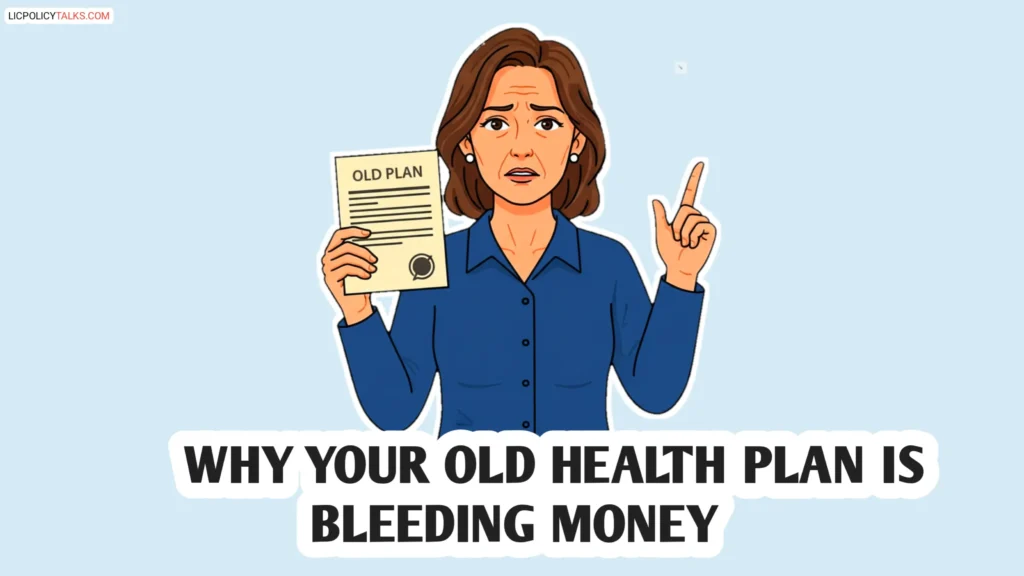
हाय दोस्तों! If you’ve recently opened your health insurance renewal notice for 2026 and felt your stomach drop, you’re not alone. That 30%, 40%, or even higher increase isn’t a mistake or a personal failure—it’s a system-wide symptom hitting millions. It can feel overwhelming, like you’re suddenly on the hook for a bill you didn’t agree to. But here’s the good news: this isn’t just a price hike; it’s a clear signal. Your old plan is sending you an SOS, and this article is your rescue map. We’re going to break down exactly why 2026 is the tipping point, give you a simple tool to diagnose your own plan, and walk you through a clear, step-by-step escape route to regain control and save serious money.
What you’re experiencing has a name in economics: a health insurance death spiral. Think of it as being the last healthy passenger on a sinking ship. As more people jump off (to cheaper, newer plans), those left onboard are the costliest to insure, which makes the “captain” (your insurer) raise the fare for everyone remaining. This cycle is accelerating now, and understanding it is your first step to jumping to a safer, more affordable ship.
Diagnosis: You’re Not Crazy, Your Plan Is in a ‘Death Spiral’
Let’s make the jargon simple. An insurance death spiral happens when a plan’s risk pool gets sicker and smaller. Imagine a community potluck where a few people always bring lavish, expensive dishes, while most bring simple sides. If the “simple side” people stop coming, the cost for the remaining few skyrockets. In insurance, healthier people (who file fewer claims) are the first to leave when prices creep up. They shop for better deals on modern legacy health plans or new ACA marketplaces. This leaves behind a group that, on average, needs more medical care. To cover those higher costs, the insurer jacks up premiums again—which pushes out the next healthiest batch of people. Rinse and repeat.
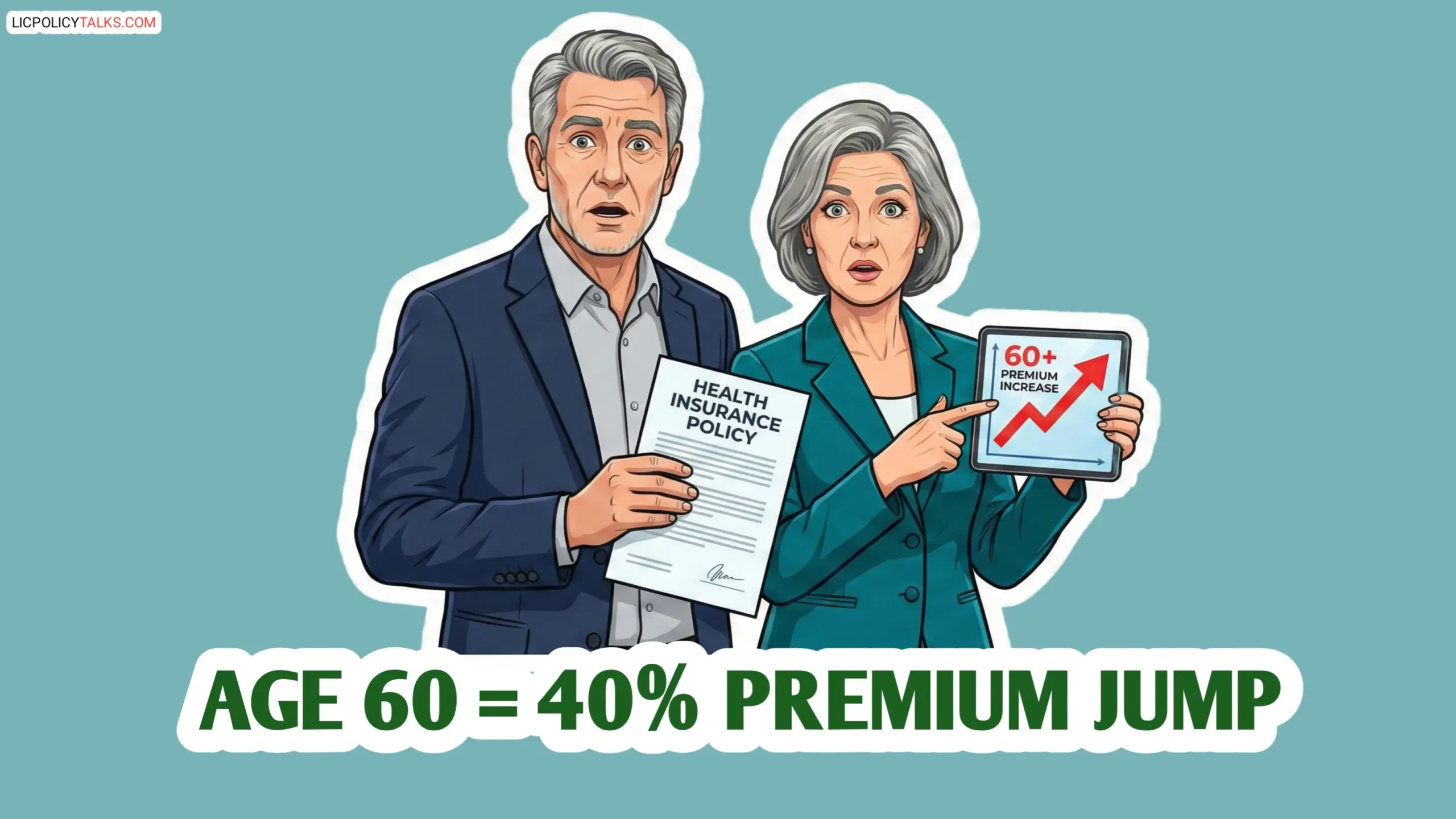
So why is 2026 the “big one”? Several reports are flashing red lights. ACA enrollees are getting their first previews of 2026 plans, and the headlines are about soaring premiums. This isn’t limited to individuals; even group plans are buckling, with one report noting local government health insurance rates could go up 37 percent. If your plan is more than a few years old and hasn’t been modernized, you’re likely holding a ticket for that exact sinking ship.
The 2026 Perfect Storm: Three Forces Driving Your Costs Up
This didn’t happen overnight. A perfect storm of factors is making 2026 particularly brutal for insurance premium inflation.
1. Policy Churn & Political Uncertainty: Insurers hate uncertainty, and Washington is serving up a big plate of it. With a Senate health care vote scheduled and reports that Republicans in Congress are still at war with the ACA, insurers are building “risk premiums” into their 2026 prices, just in case.
2. Post-Pandemic Health Utilization: People are finally catching up on surgeries, screenings, and treatments they delayed during COVID. More claims = higher costs for insurers = higher premiums for you.
3. Broad Economic Inflation: The cost of everything—from medical equipment to hospital salaries—has gone up. While some look to gold and other hard assets to hedge against inflation, your health plan can’t do that. Those increased operational costs get passed directly to you.
Self-Check: Are You on a Sinking Ship? 5 Warning Signs
Don’t just guess. Run your plan through this quick checklist. If you tick two or more boxes, it’s time for a lifeboat.
- Your annual premium increase for 2026 is more than 2-3 times the rate of general inflation (a major red flag for a health insurance cost increase 2026).
- Your plan is over 5 years old and its benefits package hasn’t been significantly updated.
- You’re paying for benefits you never use (like pediatric dental if you have no kids, or extensive maternity coverage if you’re past that stage).
- Your deductible or out-of-pocket maximum has climbed dramatically year after year.
- You’ve noticed healthier, cost-conscious friends or colleagues switching to different, newer plans.
Being honest about these old health policy costs is the first step to saving money.

The Cost of Inaction: A 5-Year Projection
The Staggering Cost of Staying Put
Insight: By Year 5, “Staying Put” costs nearly 57% more annually than switching today.
This chart isn’t just a visualization; it’s a financial wake-up call. The cumulative difference over five years can easily exceed $20,000—money that could be in your pocket instead of an insurer’s. This is the real cost of avoiding insurance overpayment by taking action now.
Your Escape Plan: How to Switch and Save
Okay, enough about the problem. Let’s build your solution. Switching health insurance sounds daunting, but it’s a manageable, step-by-step process. Think of it as a strategic upgrade, not a crisis. We’ll break it down into three clear steps.
Step 1: The Great Audit (What You Actually Need)
Before you look at a single new plan, look backwards. Gather your Explanation of Benefits (EOBs) and pharmacy receipts from the last two years. What did you actually use? List your “must-haves”: a specific medication, visits to a certain specialist, an anticipated procedure. Then, note the “never-used”: maybe chiropractic care or overseas coverage. This creates your personal coverage blueprint, so you don’t overpay for bells and whistles you’ll never ring.
Step 2: Decoding the New Market & Subsidies
The ACA marketplace (Healthcare.gov or your state’s exchange) is where you’ll likely find your new plan. The biggest myth? “I make too much for help.” Subsidies are more common than you think. As fact-checkers have clarified, benefits extend well into the middle class. A family of four earning up to $120,000 can often qualify for significant premium tax credits. During Open Enrollment (or a Special Enrollment Period if you have a qualifying life event), you can see your exact subsidy and final price.
Step 3: Apples-to-Apples Comparison
| Plan Feature | Your Old Legacy Plan | New ACA Plan A (Silver) | New ACA Plan B (Gold) |
|---|---|---|---|
| Monthly Premium | $850 | $620 (after subsidy) | $750 (after subsidy) |
| Deductible | $8,000 | $4,500 | $1,500 |
| Out-of-Pocket Max | $15,000 | $9,100 | $8,000 |
| Key Covered Services | Limited network, may exclude new therapies | Essential health benefits, preventive care 100% | Essential health benefits + lower copays |
| Network Type | Shrinking PPO | Broad HMO | National PPO |
Don’t just look at the monthly premium. A true health plan comparison means calculating your total yearly cost: (Premium x 12) + your likely deductible. The Gold plan might cost more per month but save you thousands if you need care.

FAQs: Your Death Spiral Questions, Answered
Q: I’m healthy and rarely go to the doctor. Why should I switch from my cheap old plan?
Q: Is there any reason to keep a grandfathered plan?
Q: Will I have to change doctors if I switch?
Q: What if I miss Open Enrollment?
Q: How can I be sure I’m not jumping into another future death spiral?
Conclusion: Break the Spiral, Take Back Control
Seeing that huge premium increase for 2026 can make you feel powerless. But now you know the truth: it’s not about you. It’s a predictable symptom of a health insurance death spiral affecting specific, outdated plans. You have a choice—stay on the sinking ship and watch tens of thousands of dollars vanish over the next five years, or take the lifeboat. That lifeboat is built from the three steps we just outlined: Audit, Decode, Compare. Taking action now is the single most powerful form of financial self-defense you have against this trend. Start with your audit today. Open that folder of old medical bills. You’ve got the map. The escape route is clear, manageable, and will lead you to predictable, modern coverage that you control.