

हाय दोस्तों! Ever feel like investing has become too easy? Just buy an S&P 500 ETF, set it, forget it, and watch it grow. That’s the powerful promise of passive investing, and honestly, it’s worked incredibly well for years. But what if the very engine of this success—the automated, mechanical buying of index funds—is building a hidden risk? Today, we’re going to peel back the curtain on a potential trigger event that could test this entire system: the March 2026 S&P 500 rebalancing. This isn’t about spreading fear, but about sharing a crucial insight. By the end, you’ll understand the mechanics of this “passive bubble,” see why a routine event could become a flashpoint, and most importantly, know exactly how to prepare your portfolio.
This discussion centers on a fundamental shift in market mechanics, where a standard S&P 500 rebalancing could act as a pinprick to a larger, system-wide vulnerability built by passive fund dominance.
Introduction: The Calm Before the Silent Storm?
For over a decade, “set-and-forget” investing has been the golden rule. Why stress over stock picks when you can just own the whole market through a low-cost ETF? This logic has funneled trillions into passive vehicles, creating a comfortable, dominant ecosystem. But within that comfort lies a hidden concentration risk: these funds all own the same stocks, in the same proportions, and they trade on autopilot.
Here’s the core paradox: a routine, mechanical event—the quarterly rebalancing of the S&P 500 index—could become the pin that pricks this bubble. As analysts warn, the massive, automated flows from index funds and ETFs, which now dominate market activity, could amplify volatility. This sets the stage for March 2026 to be a unique stress test. The thesis is simple: the unprecedented scale of passive investing has created a “bubble” where prices are influenced more by fund flows than company fundamentals, and a coordinated rebalancing could expose it.
We’re talking about a potential “silent crash”—a scenario where liquidity suddenly vanishes, prices gap down sharply, but there’s no front-page news about a banking crisis or economic collapse. The drop would feel inexplicable to the average investor checking their ETF statement, hence the “silence.” Let’s first understand the juggernaut that built this potential fragility.
The Passive Investing Juggernaut: Built on a Fragile Foundation?
The Rise of the Passive Giant
Global ETF Assets Under Management (in Trillions USD)
Insight: In just 15 years, ETFs have grown 10x, shifting trillions from active management to passive indexing.
The chart above tells the story of a seismic shift. Assets in ETFs and index funds have exploded, creating a financial giant that moves on autopilot. Here’s how it works: when money flows into an S&P 500 ETF, the fund manager doesn’t make a judgment call. They mechanically buy more of every stock in the index, proportionally. Winning stocks get bought just as much as laggards.
This “autopilot” mechanism distorts a core market function: price discovery. In a healthy market, prices are set by millions of investors debating a company’s future prospects. But with passive dominance, prices can increasingly reflect simple fund flows. If $10 billion floods into S&P 500 ETFs, it mechanically buys $10 billion worth of the index, pushing all prices up regardless of individual company news.
This is how the “passive investing bubble” inflates. Valuations can become detached from fundamentals, supported not by earnings growth, but by the constant, indiscriminate buying pressure from these automated vehicles. The danger isn’t in the strategy itself, but in its scale and the uniformity of action it demands from all participants. This sets the stage for a single event to ripple through the entire system.
The Trigger: Demystifying the S&P 500 Rebalancing
So, what is an index fund rebalancing? Think of the S&P 500 like a giant grocery cart that must hold exactly 500 items. Every quarter, the managers (S&P Dow Jones Indices) check the cart. Some items (stocks) have grown too big—their price has soared, so they now take up too much space in the cart. Others have shrunk or gone bad. The managers then rebalance: they trim the oversized items and add new ones to keep the cart’s composition perfect.
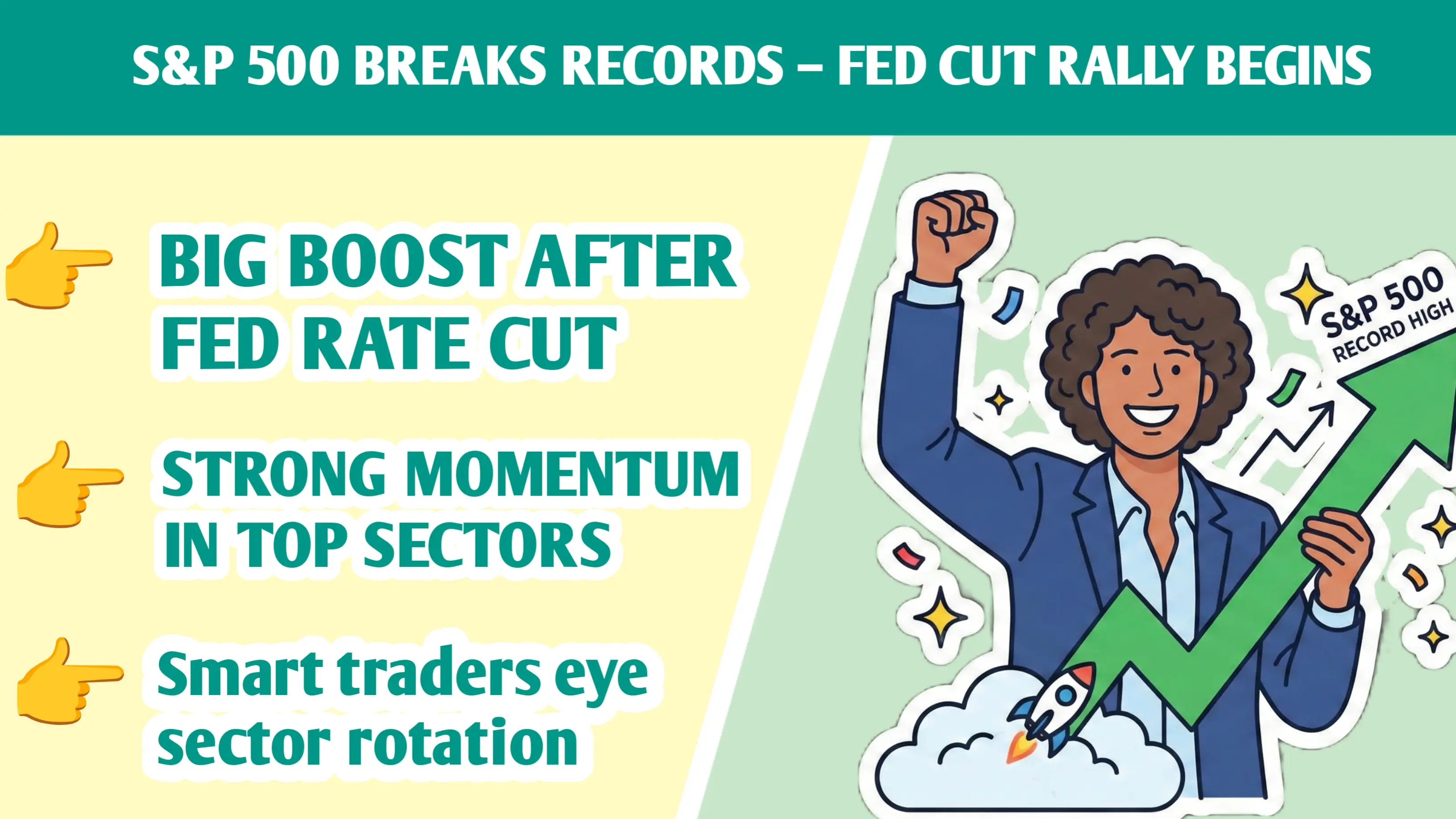
Why focus on March 2026? Based on current trends of extreme market concentration in mega-cap tech stocks, that quarter’s rebalancing could demand significant sector or stock shifts. The real issue is the “forced trade” effect. Every single fund that tracks the S&P 500—trillions of dollars in assets—MUST buy and sell the exact same stocks at virtually the same time to mirror the new index composition. There is no discretion, no waiting for a better price.
This exposes the liquidity illusion. Markets seem deep and liquid during normal times. But what happens when every major player is compelled to sell Stock A and buy Stock B simultaneously? The natural buyers for Stock A vanish because they’re all busy selling it too. This mismatch between forced trading and available liquidity is where the portfolio rebalancing effects turn from theoretical to painfully real.
The Perfect Storm: Why March 2026 Could Be Different
| Factor | Typical Rebalance | March 2026 Projection |
|---|---|---|
| Passive AUM Size | Large & Growing | Historically Unprecedented |
| Market Concentration | Moderate | Extreme (Top 10 Stocks) |
| Macro Backdrop | Variable | Potential QT, Election Year |
| Expected Trading Volume | Elevated | Potentially Overwhelming |
This isn’t just another quarter. Several factors could converge to make March 2026 a perfect storm. First, the S&P 500 is more concentrated in its top 10 holdings than it has been in decades. A rebalancing that reduces the weight of these tech giants could trigger massive forced selling. Second, this event may interact with other fragile market dynamics, like quantitative tightening (QT) draining liquidity or the uncertainty of a U.S. election year.
Finally, there’s the risk of a vicious feedback loop. Initial price drops from forced selling could trigger more automatic selling from risk-managed ETFs and volatility control funds, amplifying the downward move in a way that has little to do with company health. This is what transforms a routine adjustment into a potential catalyst for a broader market correction 2026. The stage would then be set for the “silent crash” scenario to play out.
The ‘Silent Crash’ Scenario: How It Would Unfold for You
Let’s make this personal. Imagine it’s late March 2026. The rebalancing list is published. Analysts note some big tech names will see their weights reduced. Day 1: There’s subtle, initial selling pressure as the smartest algorithms get to work.
Days 2-5: The forced selling begins in earnest. Trillions in passive funds all hit the “sell” button on the same stocks at the open. Buyers are overwhelmed and quickly step back, waiting for the storm to pass. Liquidity—the ability to sell at a stable price—vanishes. Stock prices for the “outgoing” companies gap down 10%, 15%, 20% in a matter of hours on enormous volume, but with no bad earnings news.
The contagion effect takes hold. Fear spreads. Active investors, seeing such violent, unexplained moves, start selling similar stocks or just pulling money to reduce risk. The selling pressure bleeds into related sectors. For the retail investor, the impact is a sharp, confusing drop in your S&P 500 ETF statement. You turn on financial news, but there’s no major “story”—no bank failure, no war, no pandemic. The crash is “silent” because it’s driven by internal market plumbing, not external shock. Ironically, in this specific scenario, active managers with the flexibility to avoid the forced-trade frenzy might temporarily fare better.
Fortifying Your Portfolio: Strategies Beyond Passive Panic
1. The Defensive Core: Quality, Value, and Diversification
The goal isn’t to abandon passive investing, but to build a more resilient portfolio around it. Start by adding actively managed funds or ETFs focused on quality and value factors—these may be less caught in the passive vortex. Crucially, pursue true diversification. This means increasing exposure to non-US markets like Japan or emerging markets, which won’t be directly affected by an S&P 500 rebalance. Even within the US, consider complementing a broad index fund with sector-specific ETFs to have more control over your exposures.

2. The Tactical Moves: Preparing for March 2026
As the date approaches, take specific, prudent steps. Review your portfolio’s concentration. Are you overexposed to the mega-cap tech stocks most vulnerable to a weight reduction? Consider modestly trimming to rebalance your own portfolio. Set aside a cash buffer—this isn’t about timing the market, but about having “dry powder” to buy quality assets if a dip occurs. Finally, mark your calendar: avoid placing large market orders in the volatile window of late March 2026.
3. The Mindset Shift: From Passive Passenger to Alert Pilot
This is the most important strategy. Passive investing doesn’t mean “no monitoring.” It means being an alert pilot who trusts the autopilot but watches the radar for storms. Understand that volatility from events like this can be a long-term opportunity for the prepared. Ultimately, your best defense is a robust financial plan designed to withstand various stress tests, not one reliant on perpetual calm.
FAQs: ‘passive ETF dangers’
Q: If passive investing is so risky, should I sell all my index funds now?
Q: How can I find out which stocks might be added or removed in March 2026?
Q: Would a market crash triggered by this be a short-term blip or a long-term bear market?
Q: Are all ETFs equally risky in this scenario?
Q: What’s the single most important thing I can do before March 2026?
Conclusion: Navigating the New Era of Market Mechanics
Let’s recap. The quarterly S&P 500 rebalancing is a normal event. But its potential impact has been magnified to unprecedented levels by the sheer scale of passive investing. This has created a new market dynamic where mechanical flows can, in a stress scenario, overshadow fundamental value.
The goal of this discussion isn’t to predict a crash with certainty, but to highlight a growing risk and advocate for resilience. The smartest investors respect both the lessons of history and the evolving, complex mechanics of the modern market. By understanding these dynamics, you’re no longer a passive passenger. You’re an informed navigator, ready to adjust your sails if the winds shift, ensuring your long-term journey stays on course.