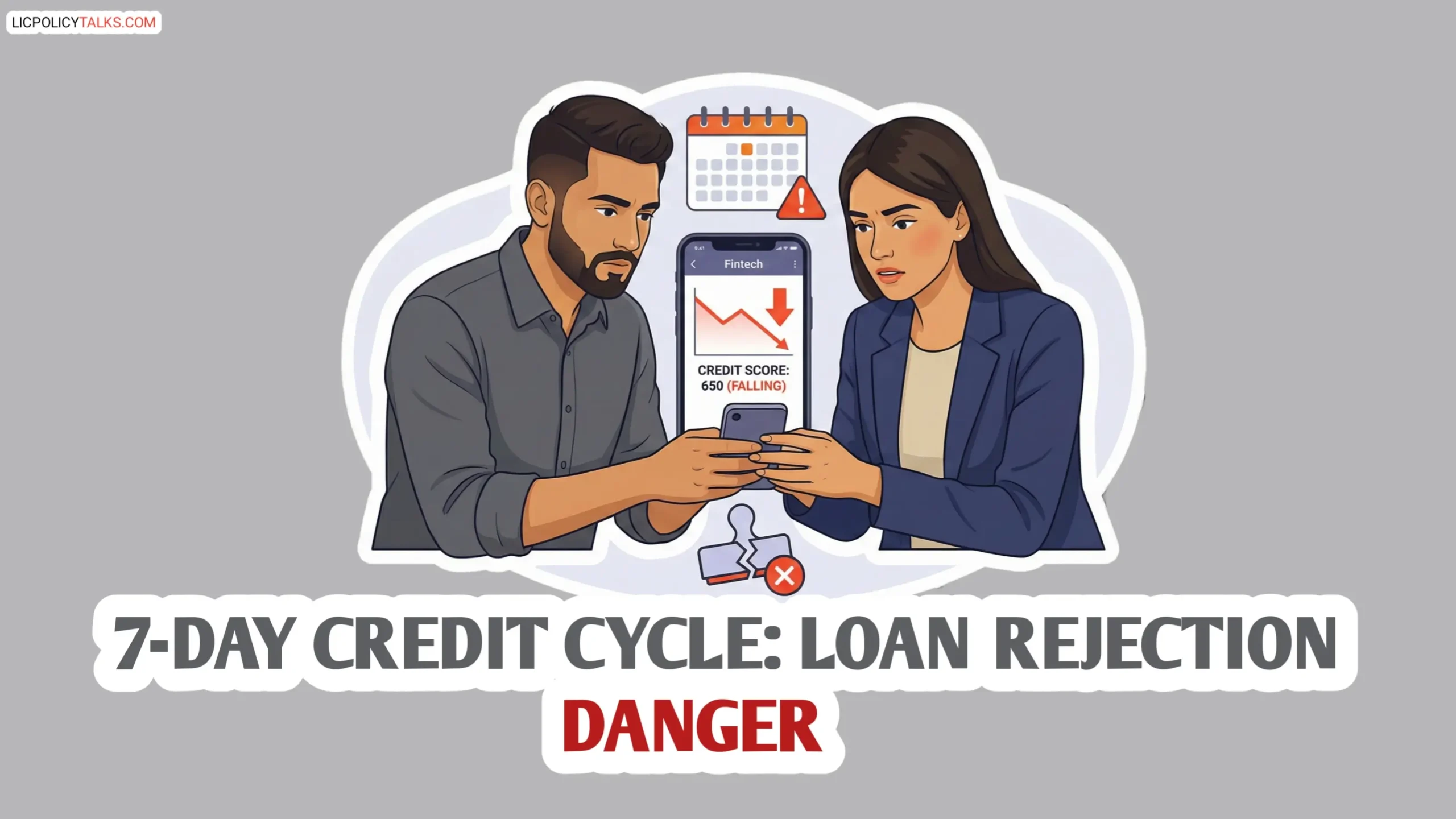

Hi friends! Let’s talk about something that could quietly mess with your biggest financial plans in the next couple of years. Imagine Sarah, who has worked hard to get her credit score to a solid 705. She applies for a mortgage, feeling confident. A week later, she gets a rejection letter. The reason? Her score dipped to 688 on the day the lender pulled her report—a temporary blip caused by a high credit card balance reporting. Today, that might smooth out over a month. But by 2026, this kind of “bad timing” could become a common nightmare. That’s the Weekly Score Risk 2026 in action.
This article is your early warning system. We’re going to break down exactly what this shift to a 7-day credit reporting cycle means, who it will hit hardest, and—most importantly—give you a clear, step-by-step action plan for 2025 so you’re not caught off guard. The goal isn’t to scare you, but to empower you with the knowledge to stay in control.
From Monthly Snapshot to Live Ticker: What the “Weekly Score” Really Means
Right now, your credit score is like a yearly photo album. The major credit bureaus typically update your report once a month, sometimes even less. Lenders see a historical snapshot. By 2026, we’re moving to a weekly vlog. Your financial activity will be captured and reported every seven days, turning your credit score into a live ticker.
This shift is driven by fintech, artificial intelligence, and a growing demand for real-time financial data. The evolving landscape of financial products, like the tools highlighted in guides to the Best Checking Accounts Of December 2026, is part of this faster, more responsive ecosystem. While the core FICO or VantageScore models may get tweaks (often referred to as FICO changes 2026), the real game-changer is the frequency of the credit report updates feeding into them.
The most important shift isn’t the score itself, but the velocity of data—lenders will see the speed and direction of your financial health, not just a static number.
The Volatility Trap: Why Small Fluctuations Will Cause Big Problems
Here’s the core of the financial risk. Credit scores are surprisingly sensitive. Making a large purchase, paying off a chunk of debt, or even a lender performing a hard inquiry can cause a 10-20 point swing. Under the current monthly system, these fluctuations often have time to settle. With weekly reporting, every minor dip and spike becomes a permanent, visible blip on your record.
Automated lending systems aren’t great with context. They see a 15-point drop from one week to the next and may flag it as increased risk, potentially boosting your loan rejection rates. The chart below shows how the same level of volatility is perceived as much riskier under a weekly system.
The Amplified Risk: How Weekly Reporting Increases Rejection Probability
*Illustrative data showing perceived rejection probability based on reporting frequency.
Who Gets Hit Hardest? The 4 Borrower Profiles Most at Risk
Not everyone will feel this change equally. Your level of financial risk depends on your credit habits. Let’s look at the four profiles most vulnerable to the new lending criteria shaped by weekly data.
1. The Borderline Borrower: If your score consistently hovers near a lender’s magic cutoff (say, 680-710), you’re on a knife’s edge. A weekly dip of 10 points could easily push you below the threshold for the best rates, or into rejection territory. This group needs to be most strategic about timing and may want to explore strategies for securing a personal loan before any changes take full effect.
2. The Credit Optimizer: This is the person using advanced tactics like AZEO (All Zero Except One) to maximize their score. The weekly cycle turns precision timing into a high-stakes game. A misstep—like letting a balance report on the “wrong” week—could undo their careful work right before a major application.
3. The Financially Active: If you frequently use credit cards, Buy Now Pay Later services, or are shopping for a car loan, mortgage, and credit card all at once, you’re generating a lot of reportable activity. Each action is a potential fluctuation. For those building or rebuilding, using cards designed for building credit responsibly will be more important than ever.
4. The Unaware Consumer: This person checks their credit once a year, if that. They will be completely blindsided by rejections they don’t understand, stemming from dips they never saw coming. This group faces the steepest behavioral change.
Your 2025 Action Plan: How to Build a Weekly-Score-Proof Credit Profile
The time to prepare is now, in 2025. This isn’t about fear; it’s about building resilience. Think of it as putting on financial armor so these weekly waves don’t knock you off course. Here is your tactical checklist.

1. Master the Timing of Your Financial Moves
Your credit score cycle will become a calendar you need to know. Be strategic about when your credit card issuer reports your balance to the bureaus (usually your statement closing date). Plan large payments to ensure low balances are reported. If you’re applying for a major loan, try to time it for a week when your score is predictably at its “peak.”
Before applying for any new credit, use preapproval tools to gauge your eligibility without a hard inquiry that could cause a weekly dip. This simple step can save you from an unnecessary fluctuation and a potential rejection.
2. Upgrade Your Credit Monitoring Tools
Free weekly credit reports from AnnualCreditReport.com won’t cut it anymore. You’ll need a credit monitoring service that provides true, frequent FICO or VantageScore updates—think daily or weekly alerts, not monthly summaries. You’re no longer just looking for a number; you’re tracking the trend and velocity of your score.
| Feature | Monthly Monitoring (Today) | Weekly Monitoring (2026 Essential) |
|---|---|---|
| Update Frequency | Once a month | At least once a week |
| Alert Sensitivity | Major changes only | Minor fluctuations (+/- 10 points) |
| Key Metric | Snapshot score | Score trend & velocity |
| Best Tool For | Periodic check-ups | Active financial management |
| Cost Expectation | Often Free | May require premium service |
3. Reduce Your Reliance on Fluctuating Metrics
Build a credit profile that rests on solid, less-volatile pillars. Focus on maintaining a long average age of accounts, a diverse mix of credit types, and a flawless history of on-time payments. Pay down revolving debt to keep your credit utilization ratio consistently low—this creates a safety buffer that can absorb small spending spikes without causing a major weekly score change.
If you’re just starting out, laying this strong foundation is key. Consider starter credit cards to begin building a positive history that will stabilize your score over the long term, making it less susceptible to weekly noise.
Beyond 2026: The Long-Game Strategy for Credit Resilience
The move to a weekly score isn’t an isolated event. It’s part of a massive, irreversible trend towards hyper-dynamic, data-driven finance. This is the future: your financial health will be assessed in real-time, not in retrospect.
Instead of viewing this as a hurdle, see it as the ultimate push towards continuous financial awareness. Embrace the mindset that your credit is a living, breathing part of your financial life that requires regular attention, not just an annual checkup. This proactive approach is what will define financial success in the coming decade.

Weekly Score Risk 2026: Your Questions Answered
FAQs: ‘Weekly Score Risk 2026’
Q: Is the weekly credit score mandatory for all lenders in 2026?
Q: Will checking my own credit score weekly hurt my score?
Q: How can I find out my ‘weekly score’ before 2026?
Q: If I have a great credit score (750+), should I still worry?
Q: Does this mean I should stop using my credit cards to avoid fluctuations?
Conclusion: Don’t Be a Statistic—Prepare to Adapt
Look, change is always a bit unsettling, especially when it involves your hard-earned financial standing. The Weekly Score Risk 2026 is real, but it’s not insurmountable. It’s a call to upgrade your financial awareness from passive to active.
The lenders and algorithms are adapting to this new, faster world. You need to as well. Start today by auditing your current monitoring tools, understanding your personal credit cycle, and building that buffer of solid credit history. Your future self—the one applying for a car, a home, or a business loan—will thank you for not waiting until it’s too late. Don’t be a rejection statistic; be an adaptation success story.