⚡ Today’s Morning Impact Analysis (Top Market Hooks)
- IMF Stagflation Warning: Global growth forecasts cut, delaying rate cuts and keeping borrowing costs high—adjust bond and equity allocations now.
- Fed Inflation Alert: Middle East conflict to fuel inflation in 2026, locking in ‘higher for longer’ rates for mortgages and loans.
- IRS Business Account Expansion: Millions of non-profits and governments gain online tax access, reducing compliance delays starting immediately.
- 401(k) Private Markets Push: A $15 trillion opportunity faces ERISA lawsuits—retirement savers must watch for added fees and illiquidity.
- Oil-Driven Volatility: Markets brace for swings as AI optimism clashes with energy shocks; differentiate noise from long-term trends.
This morning’s major financial stir, just since market opened, centers on a dangerous mix of geopolitical tension and regulatory shifts that hit your wallet directly. The conflict in the Middle East isn’t just headlines—it’s driving central banks like the IMF and Fed to warn of persistent inflation and stalled growth, which means higher costs for everything from your home loan to your grocery bill. At the same time, the IRS is rolling out digital tools that could save businesses time, but also requires careful navigation to avoid pitfalls. This confluence of events demands a clear-eyed look at your portfolio and financial plans today.
Global Economic Policy & Inflation News
In the realm of global economy and economic policy, today’s updates signal a unified caution from top institutions, directly impacting investment strategies and personal finances. The immediate takeaway is that hopes for rate relief are fading fast, replaced by a ‘higher for longer’ reality that affects borrowers and savers alike.
IMF Stagflation Warning: How the Iran War Threatens Your Portfolio
IMF Managing Director Kristalina Georgieva warns the Iran conflict has made higher inflation and weaker global growth inevitable, raising fears of stagflation. This shifts central bank priorities globally, potentially delaying rate cuts and prolonging high borrowing costs for mortgages, loans, and business investments. All consumers facing prices, investors in global equities and bonds, and businesses with international supply chains are affected. The critical shift here isn’t the conflict itself, but how it has forced a formal reassessment by the world’s primary economic watchdog, invalidating previous models. IMF’s pre-war global growth forecast of 3.3% for 2026 is now ‘upended.’ As reported by CNBC, citing a Reuters interview with IMF chief Kristalina Georgieva [Link], the institution is preparing to cut its growth forecasts. The bitter truth: such high-level warnings are often late-cycle indicators; retail investors risk being the last to adjust asset allocation, facing eroded earnings from stagnant growth and inflation eating fixed-income returns.
Slide to view full table on mobile
| Metric | Previous Outlook (Pre-Conflict) | Current Risk |
|---|---|---|
| Global Growth (2026) | 3.3% | Downward revision, stagflation fears |
| Inflation Trend | Moderating | Accelerating due to energy shocks |
| Primary Risk Driver | Cyclical slowdown | Geopolitical conflict in Middle East |
Fed Official Confirms: Middle East Energy Shock Will Fuel Inflation in 2026
New York Fed President John Williams states the war will drive up overall inflation this year, though he believes current monetary policy is ‘well positioned.’ Signals the Fed is on high alert for inflation persistence, making a 2026 rate cut less likely and supporting a ‘higher for longer’ interest rate environment. US homeowners with adjustable-rate mortgages, prospective car/business loan seekers, and dollar-denominated investors are affected. Williams lowered his 2026 US growth forecast to ‘between two and two and a half percent.’ In an interview with Bloomberg, detailed by Reuters [Link], Federal Reserve Bank of New York President John Williams outlined the inflation impact. Authoritatively, ‘well positioned’ implies readiness to hike if needed, not just hold—this confirmation extinguishes hope for near-term rate relief, locking in high costs for borrowers.
🏛️ Authority Insights & Data Sources
Today’s warnings from the IMF, Fed, and similar bodies like the ECB underscore a unified central bank stance: inflation risks are elevated due to geopolitical strife, delaying monetary easing. For investors, this means recalibrating expectations—focus on sectors resilient to stagflation, such as commodities or defensive stocks, and avoid long-duration bonds susceptible to price pressures.

International Tax Compliance & IRS Regulatory Alerts
Shifting to IRS tax alerts and compliance, today’s news highlights modernization efforts and common pitfalls that can cost you time and money. These updates are crucial for avoiding penalties and streamlining financial management.
IRS Business Tax Account Expansion: New Access for Non-Profits & Governments
The IRS has expanded its online Business Tax Account platform to millions of newly eligible entities including partnerships, non-profits, and government bodies. Streamlines tax compliance for organizations, reducing paperwork and call center delays. Represents a significant modernization push by the IRS. Partnerships, Indian tribal governments, non-profit organizations, and federal/state/local government entities are affected. Newly eligible groups can now view balances, make payments, download notices, and request compliance checks online. According to an official announcement covered by Newsweek [Link], the expansion aims to digitize and simplify tax management for eligible organizations. Anchored in the IRS’s Strategic Operating Plan, the bitter truth: new digital systems can have bugs; early adopters should double-check submissions against traditional records to avoid errors.
Tax Filing Alert: The Top 5 Costly Mistakes to Avoid Before April 15
A tax expert highlights common errors like incorrect Social Security numbers and math mistakes that delay refunds or trigger audits. Avoiding these mistakes can prevent costly penalties, delays in receiving refunds, and unwanted scrutiny from the IRS. Individual taxpayers, especially those claiming dependents and credits like EITC or Child Tax Credit, are affected. The Child Tax Credit for 2026 is $2,200 per dependent under 17, an increase from $2,000. Tax expert Lisa Greene-Lewis, cited in The New York Post [Link], outlines critical errors that frequently hold up returns during filing season. Even with perfect filing, taxpayers claiming EITC or CTC face higher audit likelihood due to IRS fraud filters, making accuracy essential. Mismatched SSNs halt processing automatically, and math errors trigger CP2000 notices, so consult IRS Publication 972 for credit details.
Global Retirement Planning & Pension Fund Trends
In retirement planning, a major development could reshape how Americans save, but it comes with significant risks that demand careful evaluation. This isn’t just about returns—it’s about accessibility and fees.

401(k) Private Markets Push: A $15 Trillion Opportunity or Legal Minefield?
The push to include private equity and other alternative assets in 401(k) plans faces regulatory uncertainty and potential ERISA litigation risks. Could reshape retirement savings, offering potential for higher returns but also introducing more complexity, illiquidity, and fees to mainstream retirement accounts. Millions of 401(k) plan participants, plan sponsors, HR departments, and alternative asset managers like Blackstone and Apollo are affected. The US 401(k) and employer-sponsored plan market totals roughly $15 trillion. Analysis from PitchBook [Link] details how top-tier alternative firms are positioning for this channel amid a complex regulatory landscape. The core conflict is between seeking higher returns and managing liquidity risks under ERISA’s prudent investor rule. The bitter truth: illiquidity is a hidden killer; locking funds for 10+ years is incompatible with needing access during job loss or crisis, and extra fees of 1% can significantly reduce retirement balances over time.
Slide horizontally to view full chart
Financial Risk Management & Market Volatility News
Turning to financial risk management and market volatility, today’s analysis reveals a clash between short-term shocks and long-term trends, requiring disciplined investment approaches. Understanding this dynamic is key to avoiding costly overreactions.
Market Open: Volatility Dominates as Oil and AI Stories Collide
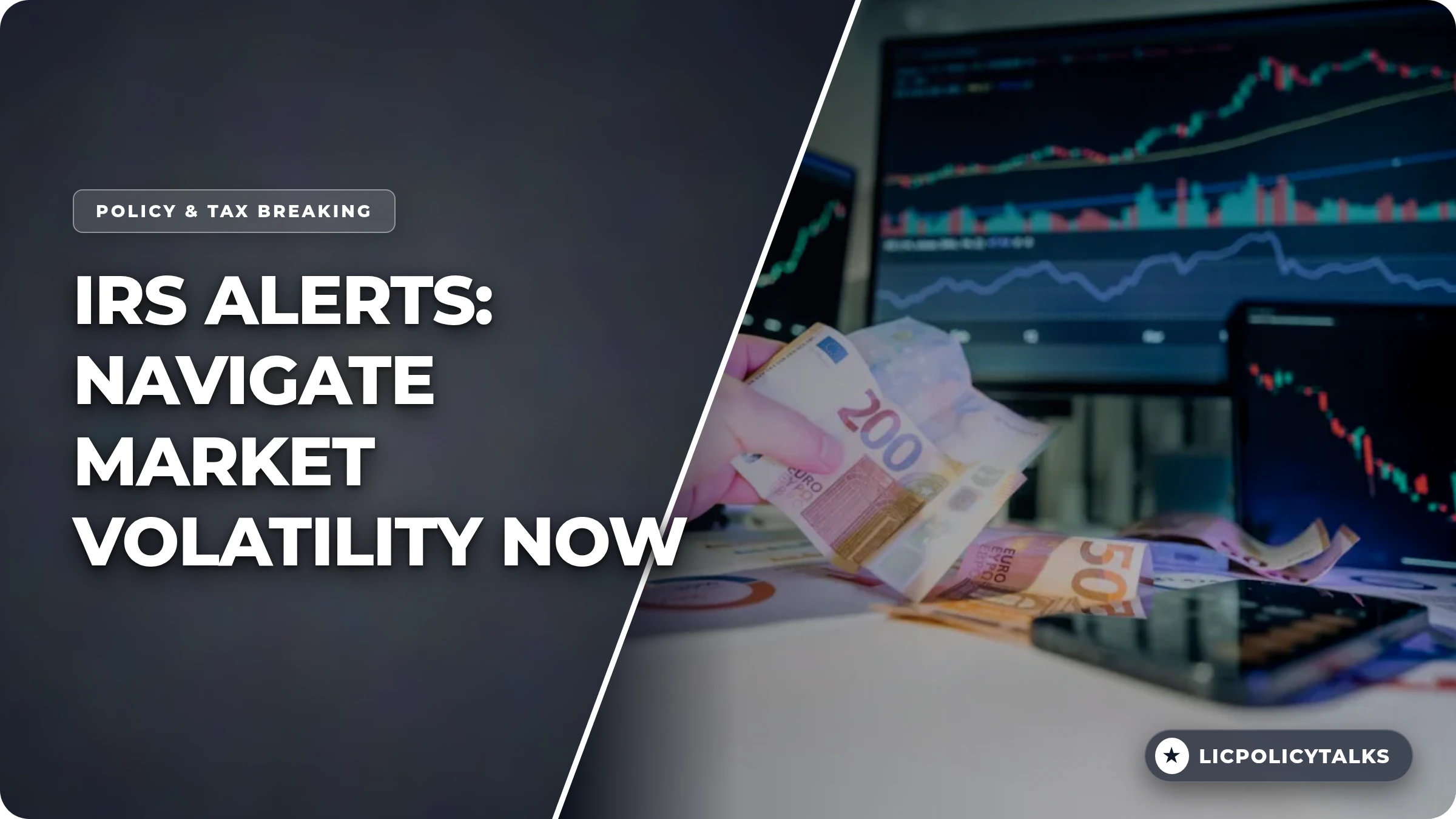
Analysts warn of oil-driven market volatility due to the Middle East conflict, while long-term optimism around AI investment themes persists. Investors need to differentiate between short-term geopolitical noise and long-term structural trends when making allocation decisions. Day traders, portfolio managers, and investors in energy and tech sectors are affected. Emphasis on markets facing ‘oil driven volatility’ as a near-term reality. CNBC’s Morning Call Sheet, featuring analysis from Bone Fide Wealth and Again Capital [Link], highlights the dual narrative shaping trading desks. The morning tape is torn between algorithmic reactions to Brent crude ticks and fundamental re-rating of AI capex. The danger: conflating long-term AI thesis with immunity to oil shocks; a tech-heavy portfolio can still suffer in broad market downdrafts.
Food Price Index Drops: Why Market Volatility Feels Worse Than the Data
Despite sharp price swings in commodities, the underlying Food Price Index is trending lower, suggesting current volatility is more episodic than structural. Provides crucial context: not all volatility signals systemic shortage. This can prevent overreaction in both consumer spending and investment decisions. Consumers, food manufacturers, and agricultural commodity investors are affected. Key difference from 2022: Volatility is not driven by widespread supply shortages but by sensitivity to energy markets and policy. Industry analysis from Food Business News [Link] contrasts current market ‘feel’ with hard index data, providing a nuanced view. The bitter truth: a falling index doesn’t mean deflation at checkout; it means the rate of increase is slowing, so consumer pain persists despite improved data.
Slide to view full table on mobile
| Year | Primary Driver | Supply Condition | Price Trend |
|---|---|---|---|
| 2022 | Widespread shortages (e.g., Ukraine war) | Tight | Sharp increase |
| 2026 | Energy market sensitivity & policy shifts | Adequate, with logistical bumps | Volatile but trending lower |
🏛️ Authority Insights & Data Sources
Synthesizing today’s volatility analysis: the ‘feel’ of market swings often outpaces hard data, as seen in food prices. Institutional risk management, like reinsurance moves, echoes this caution—focus on separating noise (energy-driven spikes) from signal (structural AI growth). Investors should monitor implied vs. realized volatility and avoid panic sales during episodic shocks.
FAQs:Frequently Asked Questions
Q: What does the IMF’s stagflation warning mean for my investments in 2026?
Q: How does the IRS Business Tax Account expansion affect small business owners and non-profits?
Q: Are private market investments like private equity coming to my 401(k) plan soon?
Q: Why are food prices volatile if the Food Price Index is falling?
Q: What should investors focus on during periods of oil-driven market volatility?
In today’s fast-paced financial landscape, staying informed with daily financial news is crucial for protecting your wealth. The key takeaways are clear: geopolitical risks are fueling inflation and delaying rate cuts, IRS modernization offers convenience but requires vigilance, and retirement plan changes come with trade-offs. By focusing on data over noise and adjusting strategies for higher volatility, you can navigate these challenges effectively. The next 24 hours will test market resilience, so monitor central bank signals and tax deadlines closely.
This article is distributed across our platform partners to ensure wide access to timely financial insights. For more updates, refer to trusted sources like Reuters, the IRS, and central bank publications.