The first major financial development this morning is rooted in international tax news from 1 May 2026. International tax developments reported May 1, 2026 highlight progress on tariff refunds and new tax cuts. While these relate to US policy, they signal a wider global trend that may influence UK fiscal flexibility. Against this backdrop, UK taxpayers are asking: will labour increase personal tax allowance? Here is the current picture.
The personal tax allowance 2026/27 remains frozen at £12,570 until 2028. Labour has not made a firm commitment to raise it to £20,000, but pressure from a rising petition and public sentiment keeps the debate alive. This article explains what the freeze means for your monthly earnings, who would benefit from a rise, and what you can do now to protect your finances.
1. Global Tax Shifts in April–May 2026: Why They Matter for the UK Personal Allowance Debate
On 1 May 2026, Law360’s report on international tax showed that tariff refund discussions and new tax cuts are progressing globally. Though the report focuses on the US, it reflects a broader climate where governments are rethinking tax structures. This global tax certainty could give the UK Treasury more room to consider domestic tax cuts like raising the personal allowance. However, it also creates new constraints—when countries align tax rules, domestic flexibility often shrinks. For UK taxpayers, this means will labour increase personal tax allowance is not just a local question but one influenced by international trends.
What the 1 May 2026 International Tax Report Tells Us
According to Law360’s 1 May 2026 report, international tax discussions are progressing, particularly around tariff refunds and new tax cuts. While these are US-specific, they indicate a global shift toward tax harmonisation. The UK may face pressure to align its policies, which could limit drastic increases in personal allowances. But it also means that if global tax frameworks stabilise, the government might have more fiscal headroom. For now, the direct impact on the UK personal allowance remains indirect.
Indirect Impact: Could Global Tax Certainty Affect UK Election Promises?
A recent US tax case highlighted in another Law360 article illustrates how legal interpretations can shape tax policy. Even a seemingly unrelated legal argument across the Atlantic can influence how HMRC might defend its own positions. If global tax certainty improves, the UK government may have more room for domestic tax cuts. However, this is a long-term factor. For the question will labour increase personal tax allowance, the immediate answer depends on domestic priorities.
2. Labour’s Personal Tax Allowance Pledge: Current Status in 2026
The central question remains: will labour increase personal tax allowance? The current allowance is £12,570, frozen until 2028. Labour has not officially committed to raising it to £20,000, but discussions persist. The cost of such a rise is estimated at £40 billion per year, making it a major fiscal decision. Below we break down the current threshold and what a potential increase would mean.
Where Does the £12,570 Threshold Stand?
The current personal tax allowance 2026/27 is £12,570. This means you can earn up to that amount in a tax year without paying income tax. The freeze, extended until 2028, means that as wages rise with inflation, more of your income becomes taxable—a phenomenon known as fiscal drag. To answer how much can you earn before paying tax per month: £12,570 ÷ 12 = £1,047.50 per month. If you earn more than that in a month, you pay 20% tax on the excess.
| Monthly Income | Tax-Free Amount | Taxable Amount | Tax at 20% |
|---|---|---|---|
| £1,047.50 | £1,047.50 | £0 | £0 |
| £1,500 | £1,047.50 | £452.50 | £90.50 |
| £2,000 | £1,047.50 | £952.50 | £190.50 |
Will Labour Actually Raise the Personal Allowance to £20,000?
Directly addressing the LSI question will labour increase personal tax allowance to 20,000: no official commitment yet. If the allowance were raised to £20,000, a basic-rate taxpayer would save £1,486 per year. While populist pressure grows, Treasury officials warn of a £40 billion annual cost. The table below compares tax paid at different income levels under the current allowance and the proposed one.
| Annual Income | Tax at £12,570 Allowance | Tax at £20,000 Allowance | Annual Saving |
|---|---|---|---|
| £20,000 | £1,486 | £0 | £1,486 |
| £30,000 | £3,486 | £2,000 | £1,486 |
| £50,000 | £7,486 | £6,000 | £1,486 |
The saving is uniform for basic-rate taxpayers because the allowance reduces taxable income at 20%. However, for higher earners over £100,000, the allowance tapers, so the benefit diminishes.
What Has Labour Said Officially About the Personal Tax Allowance?
Labour’s position has shifted over time. In 2021, the Shadow Chancellor opposed an increase due to the deficit. In 2023, hints of a future review emerged. In 2026, the party remains cautious. The LSI searches will labour increase personal tax allowance 2021 and will labour increase personal tax allowance 2023 reflect past uncertainty. Today, Labour has not pledged a specific figure, but the issue remains a political tool.
3. How Much Can You Earn Before Paying Tax Per Month in 2026-27?
This section directly answers the LSI how much can you earn before paying tax per month and when do you start paying tax on wages. The personal allowance of £12,570 gives you £1,047.50 per month tax-free. If you earn more, you pay 20% on the excess. Below we break it down further.
Monthly Tax-Free Earnings: The £12,570 Split
Your monthly tax-free amount is £1,047.50. If you earn £1,500 per month, you pay tax on £452.50 at 20% = £90.50. Many workers think they only start paying tax after earning the full allowance, but PAYE deducts tax from the first paycheck based on estimated annual earnings. This can cause under- or over-payment, so check your tax code.
When Do You Start Paying Tax on Your Wages?
You start paying tax as soon as your total annual income exceeds £12,570. For each £1 over, you pay 20p tax (basic rate). Even if you exceed the allowance by only £1, you pay tax on that full £1 of excess—no buffer zone. If you are a student working summer jobs earning £3,000, you pay no tax. But if you also have a part-time job bringing total to £13,000, you pay 20% on £430 = £86.
Personal Tax Allowance 2026/27: What the Current Rules Say
The personal tax allowance 2026/27 is frozen at £12,570 until 2028. For high earners over £100,000, the allowance reduces by £1 for every £2 over £100,000. At £125,000, it becomes zero. This taper creates a marginal tax rate of 60% on income between £100,000 and £125,000. Use pension contributions to reduce adjusted net income and retain your allowance.
| Adjusted Net Income | Personal Allowance |
|---|---|
| £100,000 | £12,570 |
| £110,000 | £7,570 |
| £120,000 | £2,570 |
| £125,000 | £0 |
4. Real Impact on UK Taxpayers: Who Benefits If Labour Increases the Personal Allowance?
Raising the allowance to £20,000 would mostly benefit basic-rate taxpayers earning between £12,570 and £20,000, who would pay zero tax. Higher earners gain nothing from the allowance itself due to the taper, but middle earners get significant relief. The real beneficiaries are low- and middle-income workers and pensioners. Below we look at specific groups.
Salaried Employees and Pensioners: The Main Beneficiaries
A salaried employee earning £18,000 currently pays about £1,086 in tax. With a £20,000 allowance, they would pay zero. A pensioner with state pension of £11,500 and an extra £5,000 private pension currently pays tax on £3,930. With the higher allowance, they save £786. But if the government funds the rise by reducing pension tax relief, pensioners could lose more than they gain.
Higher Earners: The Hidden Risk of Fiscal Drag
While a higher allowance helps basic-rate taxpayers, fiscal drag continues to push more people into the 40% tax band. The higher rate threshold (£50,270) is also frozen until 2028. By 2027, an additional 2 million people will be higher-rate taxpayers, paying £2,000+ extra per person. The uk personal allowance 2026 increase would not offset this for higher earners.
How ISA Savings Fit Into the Picture
ISA savings remain tax-free and are unaffected by the personal allowance. However, if your disposable income rises due to an allowance increase, you could channel more into an ISA to avoid future tax on savings interest. The ISA allowance of £20,000 per year is also frozen, so its real value declines with inflation. Focus on using your ISA allowance before April 2027.
5. Petition and Public Demand: Will Pressure Force Labour to Act?
The personal tax allowance increase petition has gained traction, with over 100,000 signatures triggering a parliamentary debate. While petitions are not binding, they signal public mood. The cost of raising the allowance to £20,000 (~£40bn/year) makes it unlikely before 2027. Historical context shows Labour’s cautious stance.
The ‘Raise the Personal Tax Allowance to £20,000’ Petition: Latest Update
The petition to raise the income tax personal allowance from 12,570 to 20,000 has seen strong support. While it forces a debate, the government is not obliged to act. Most large tax-change petitions have led to no policy change. Still, it adds pressure on Labour to include the pledge in their next manifesto.
Will Labour Increase Personal Tax Allowance? Lessons from 2021 and 2023
In 2021, Labour opposed an increase due to the deficit. In 2023, the shadow chancellor hinted at a review. In 2026, the party remains silent. The pattern suggests the policy is not a priority. The LSI searches will labour increase personal tax allowance 2021 and will labour increase personal tax allowance 2023 show people tracking this shift.
When Will the Personal Tax Allowance Increase? Timeline Predictions
The freeze lasts until 2028. If Labour wins the next election (likely 2027), they might adjust the allowance in their first budget, but likely to £14,000 or £15,000 as a compromise. A rise to £20,000 is unlikely given fiscal constraints. Check routine tax policy updates for global fiscal calendar context.
6. Strategic Decision Guide: What Should UK Taxpayers Do Now?
Rather than waiting for an allowance increase, take action now to protect against fiscal drag. Focus on tax-efficient savings: ISAs, pensions, and checking your tax code. Procrastination costs you real money every month.
Immediate Actions: Adjusting Your Tax Code and Savings
- Check your tax code on the HMRC app. If wrong, you could be overpaying.
- If near the higher rate threshold, consider pension salary sacrifice to reduce taxable income.
- Use your £20,000 ISA allowance before the tax year ends.
Most people never check their tax code—HMRC error rates are around 5%, meaning millions overpay by an average of £250 per year.
Long-Term Planning: ISAs, Pensions, and the Starting Rate for Savings

If your earned income is under £17,570, you can earn up to £5,000 in savings interest tax-free via the starting rate for savings. This is separate from the personal allowance—many people don’t use it. Maximise your ISA allowance to protect against future tax on savings.
Avoiding the Stealth Tax Trap: Fiscal Drag Explained
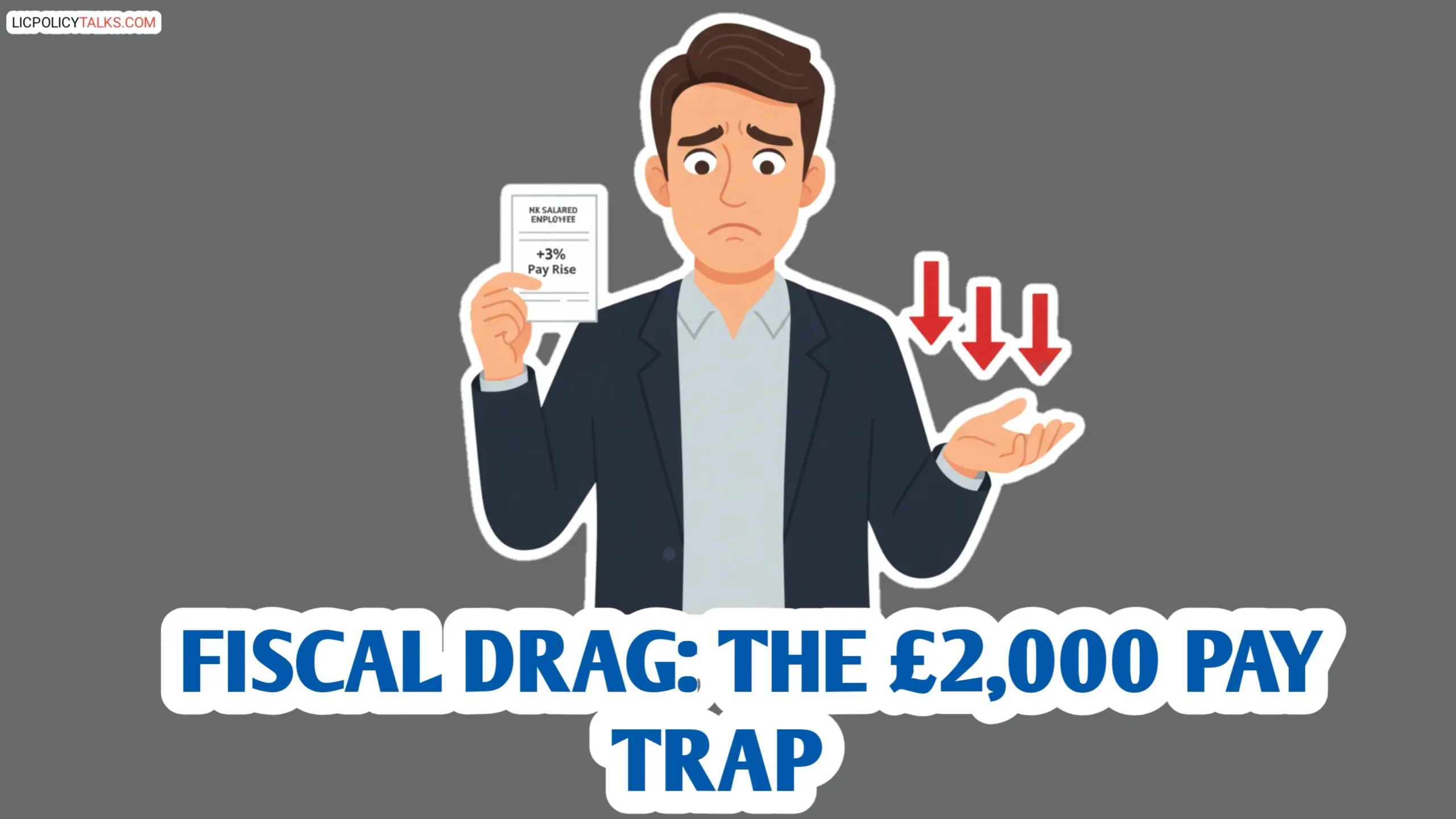
Fiscal drag happens when thresholds are frozen but your wage rises with inflation. Even if your real income does not increase, you pay more tax each year. To offset this, invest in tax-efficient vehicles like pensions and ISAs that grow without being eroded by inflation. The uk personal allowance 2026 increase is unlikely to address this soon.
Frequently Asked Questions About Personal Tax Allowance 2026
FAQs: Frequently Asked Questions
Q: Will Labour increase personal tax allowance in 2026?
Q: How much can you earn before paying tax per month in 2026-27?
Q: When do you start paying tax on wages?
Q: When will the personal tax allowance increase?
Q: Will Labour increase personal tax allowance to £20,000?
Q: What is the personal tax allowance 2026/27?
Important: This is General Information, Not Personalised Advice
This article provides educational information about the UK personal tax allowance and potential Labour party policies. It does not constitute financial or tax advice. Tax rules can change and individual circumstances vary. Always consult a qualified tax advisor or HMRC for your specific situation. Never make financial decisions solely based on news reports.
The next 24 hours are critical—monitor Labour’s statements and adjust your tax planning now to avoid losses from fiscal drag.