Updated: May 11, 2026, 04:30 AM
The first major financial development this morning is the ongoing debate about whether will labour increase personal tax allowance. A rise to £20,000 could put hundreds of pounds back into your pocket each year, but the decision remains uncertain. Let’s break down what it means for your money right now.
The question will labour increase personal tax allowance is dominating discussions among UK taxpayers. With the current freeze on allowances, many hope for relief. Here’s what you need to know.
Quick Highlights: What This Means for Your Money Now
- Current personal tax allowance is £12,570 for 2026/27, frozen until 2028.
- A proposed rise to £20,000 could save the average worker over £1,400 a year.
- You would pay tax only on income above the allowance – currently £1,047.50 per month.
- Check your tax code now to ensure you’re not overpaying.
- Use your ISA allowance (£20,000) to protect savings from tax while waiting for a decision.
Current Personal Tax Allowance: The £12,570 Reality
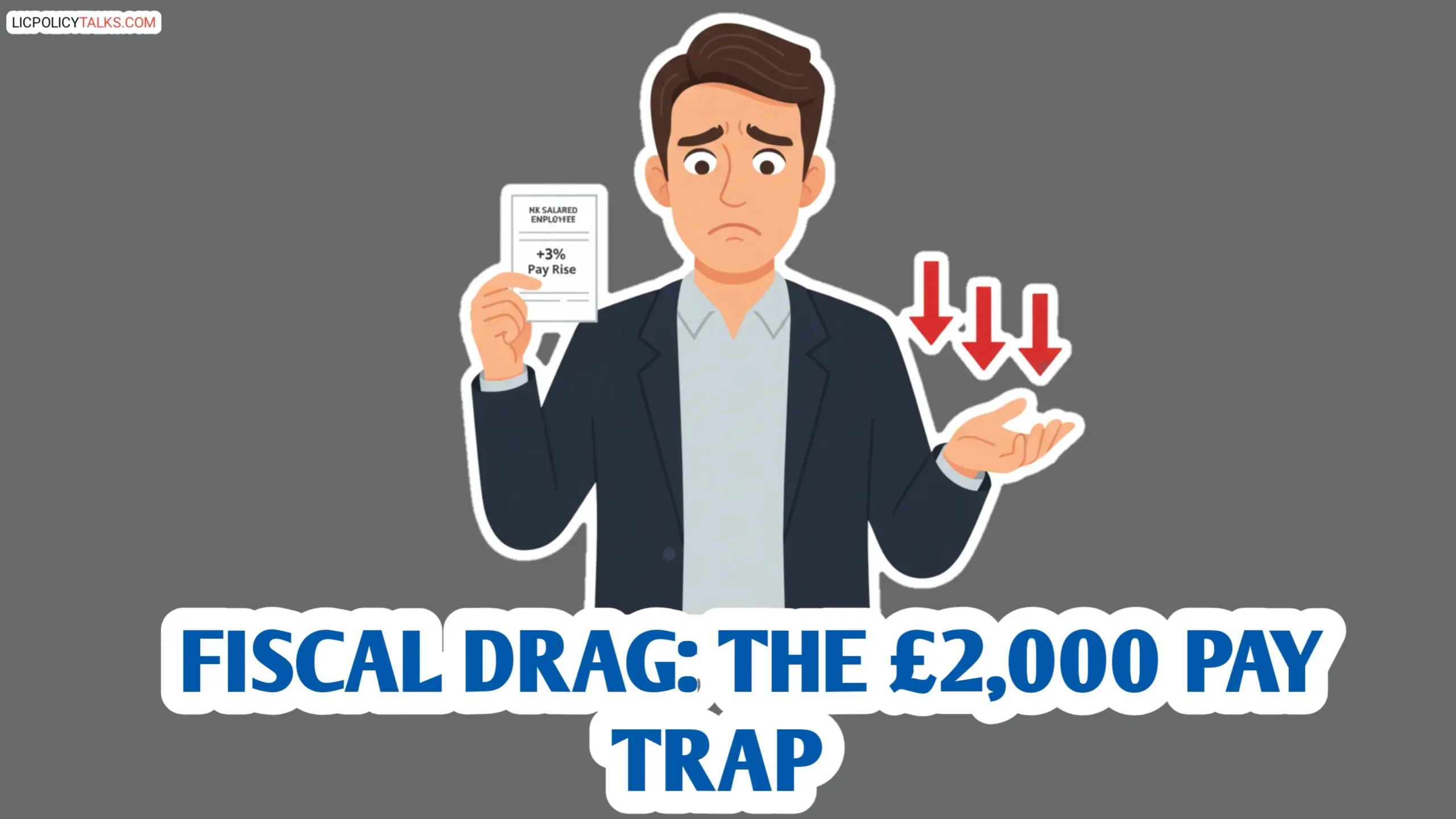
For the 2026/27 tax year, the personal tax allowance 2026/27 is £12,570. This is the amount you can earn before paying any income tax. The allowance is frozen until April 2028, meaning more people are being pulled into tax through fiscal drag. Low and middle earners are most affected. Many ask when do you start paying tax on wages – the answer is when your income exceeds this threshold.
| Annual Income | Tax-Free Portion (Current) | Taxable Portion | Monthly Take-Home Difference if Allowance Rises to £20k |
|---|---|---|---|
| £20,000 | £12,570 | £7,430 | +£123.83 |
| £25,000 | £12,570 | £12,430 | +£123.83 |
| £40,000 | £12,570 | £27,430 | +£123.83 |
| £60,000 | £12,570 | £47,430 | +£247.67 |
This is where most people quietly lose money without realising it. The frozen allowance means you pay more tax each year even if your salary stays the same.
How Much Can You Earn Before Paying Tax Per Month?
If you earn £25,000 annually, your monthly income is £2,083. Your how much can you earn before paying tax per month allowance is £1,047.50. After tax at 20%, you pay £207.10 in income tax each month. If the allowance rises to £20,000, your monthly tax-free portion would be £1,666.67, and you’d owe only £83.27 – saving you £123.83 per month. Most people don’t realise how much tax sneaks out each month simply because the threshold hasn’t moved. Check your tax code with HMRC to ensure you’re not overpaying. Delaying a tax code check by just three months could mean overpaying by nearly £365.
| Income Level | Current Monthly Tax | Tax if Allowance £20k | Monthly Saving |
|---|---|---|---|
| £20,000 | £123.83 | £0 | £123.83 |
| £25,000 | £207.10 | £83.27 | £123.83 |
| £30,000 | £290.50 | £166.67 | £123.83 |
| £40,000 | £457.17 | £333.33 | £123.83 |
Labour’s Position: What Have They Said About Raising the Allowance?
Labour has not officially committed to raising the allowance to £20,000. A personal tax allowance increase petition with over 100,000 signatures has forced a parliamentary debate. Historically, Labour has raised thresholds, but current fiscal constraints make a big rise unlikely. The political calculus involves targeting middle voters while managing inflation risk. No official statement exists, so treat this as speculation.
The Petition and Public Demand: Will the Government Listen?
Petitions with 100k signatures force a debate – but that’s different from forcing a policy change. The ‘Raise the income tax personal allowance from 12,570 to 20,000’ petition could take 5 million workers out of tax if accepted. However, the cost is over £40 billion, making it likely to be debated but rejected. Watch the Autumn Budget 2026. For context, consider a tech worker earning £20k/month – even high earners are affected by allowance changes.
What Would a Rise to £20,000 Mean for Your Pay Packet?
The uk personal allowance 2026 increase would deliver significant savings. The table below shows annual tax savings for various incomes. The biggest saving is for those earning £40,000 – £1,486 per year. You can calculate your own saving using the HMRC calculator.
| Annual Income | Current Tax (with £12,570 allowance) | Tax if Allowance £20,000 | Annual Saving |
|---|---|---|---|
| £15,000 | £486 | £0 | £486 |
| £25,000 | £2,486 | £1,000 | £1,486 |
| £40,000 | £5,486 | £4,000 | £1,486 |
| £60,000 | £11,432 | £8,460 | £2,972 |
Surprisingly, someone on minimum wage gains almost as much as someone earning £50,000 – because the taper kicks in above £100k. For a full-time worker on minimum wage (£22k/year), saving nearly £1,886 could cover a month’s grocery bill. But here’s the catch – the government would need to recoup that £40 billion elsewhere, potentially affecting public services like the NHS and schools.
Who Would Benefit Most? Low and Middle Earners
Full-time minimum wage workers (approx £22k/year for 40-hour week) would save ~£1,886/year. Middle earners £30k–£50k save ~£1,500. High earners benefit from reduced higher-rate threshold, but the allowance taper for high earners reduces benefit. The policy is progressive but costly. The core question will labour increase personal tax allowance to 20,000 remains unanswered.
Hidden Consequences: The Real Cost of Raising the Allowance
Government would lose £40bn+ in revenue – likely leading to spending cuts or tax rises elsewhere (e.g., NIC, VAT). Freezing allowance is a stealth tax; raising it could boost spending but fuel inflation. The real cost is not to the Treasury but to public services you value. This is where most people don’t see the trade-off.
Government Revenue Loss and Trade-Offs: What Could Be Cut?
A £40bn revenue loss equals 2% of GDP – roughly the entire education budget or half the NHS budget. Those relying on public services may suffer. You might think the government will finally listen to millions of voters, but history shows that expensive tax cuts are rarely fast-tracked during economic uncertainty.
How This Affects Savers and Interest Earners – Personal Savings Allowance
Current personal savings allowance (PSA) is £1,000 for basic rate taxpayers, £500 for higher rate. If the allowance rises to £20k, more people become basic rate, protecting their PSA. However, interest earnings of up to 5.84% (US data; in the UK, top easy-access accounts pay around 5%) could push basic rate savers over the PSA if they have £20k+ saved. Use an ISA to shelter interest. This is a critical consideration for personal tax allowance 2026/27 implications.
| Savings Amount | Interest Earned (5%) | Taxable after PSA (Basic Rate, PSA £1k) | Taxable after PSA (Higher Rate, PSA £500) |
|---|---|---|---|
| £10,000 | £500 | £0 | £0 |
| £20,000 | £1,000 | £0 | £500 |
| £25,000 | £1,250 | £250 | £750 |
| £40,000 | £2,000 | £1,000 | £1,500 |
Should You Lock in Fixed Rates Now or Wait for Tax Changes?
CD-equivalent fixed-rate bonds in the UK offer up to 5% for 1 year. If the tax allowance rises, your net return after tax improves slightly. Locking in now secures high rates; if the allowance rises, you still benefit. If you’re a higher-rate taxpayer, consider an ISA or fixed-rate cash ISA. 1-year fixed-rate bonds currently up to 4.84% are worth considering. Imagine you have £20,000 in savings today. If you lock in a 5% fixed rate for one year, you earn £1,000. After tax (basic-rate with PSA of £1,000), you keep it all. But if rates drop to 4.5%, you lose £100.
Personal Savings Allowance Changes – What Savers Must Know
Even if the allowance rises, interest rates may fall (BoE cuts). Use your ISA allowance now (£20k). Consider a cash ISA for easy access. You can learn how ISA savings are affected by tax band changes. If you’re a higher-rate taxpayer with £30,000 in an easy-access account earning 4.5%, you’d earn £1,350 in interest. Your PSA of £500 means you pay tax on £850 – at 40% that’s £340 – nearly a quarter of your interest gone to tax. Many savers ignore the PSA because they think they won’t earn that much interest, but with rates near 5%, even £15,000 in savings can push you close to the limit.
What Should You Do Now? Practical Steps for UK Taxpayers
- Check your current tax code on the HMRC app.
- Maximise your ISA contribution before April 2027.
- If you’re a higher-rate taxpayer, claim savings allowance relief.
- Make changes before the Autumn Budget 2026 when speculation might shift markets.
Use Your ISA Allowance to £20,000 – Timing and Strategy
The £20k ISA allowance for 2026/27 is available now. If you think the allowance won’t rise, use the ISA to protect interest from tax. If it does rise, you might have less need for an ISA as a basic-rate taxpayer, but it’s still valuable for higher rates. Open a cash ISA now before rates drop further. The golden rule: never let a tax-free allowance expire while you’re uncertain – use it first, decide later.
Authority Insights: Expert Views on the £20,000 Tax Allowance Proposal
The Institute for Fiscal Studies (IFS) estimates that raising the personal allowance to £20,000 would cost roughly £40 billion per year and would primarily benefit middle earners. Some analysts argue that increasing the personal allowance rather than cutting income tax rates is a more progressive approach, but the sheer cost makes it unlikely without significant spending cuts elsewhere.
Contrarian insight: The real cost of raising the allowance is not the £40bn lost revenue but the potential for inflation to erode the value of the extra money in your pocket. Think about it – if the government cuts taxes and doesn’t cut spending, it borrows more, which can push up inflation. Your mortgage or rent could end up costing more than what you save on tax.
FAQs: Frequently Asked Questions
Q: Will Labour increase personal tax allowance to £20,000?
Q: What is the current personal tax allowance for 2026/27?
Q: How much can you earn before paying tax per month?
Q: When will the personal tax allowance increase happen?
Q: How does a higher personal allowance affect my savings interest and personal savings allowance?
Disclaimer: This article provides general financial analysis and information about potential changes to UK personal tax allowance. It does not constitute professional tax or financial advice. Tax rules and rates may change. Always consult a qualified tax advisor or financial planner before making decisions based on this content. The views expressed are based on analysis of available data and policy speculation up to May 2026.