Microinsurance for Gig Workers: A Complete Guide to Affordable Coverage

Updated on: December 7, 2025 7:25 AM
Follow Us:
Follow
Share
Socials
Add us on 
Microinsurance for Gig Workers: A Complete Guide to Affordable Coverage

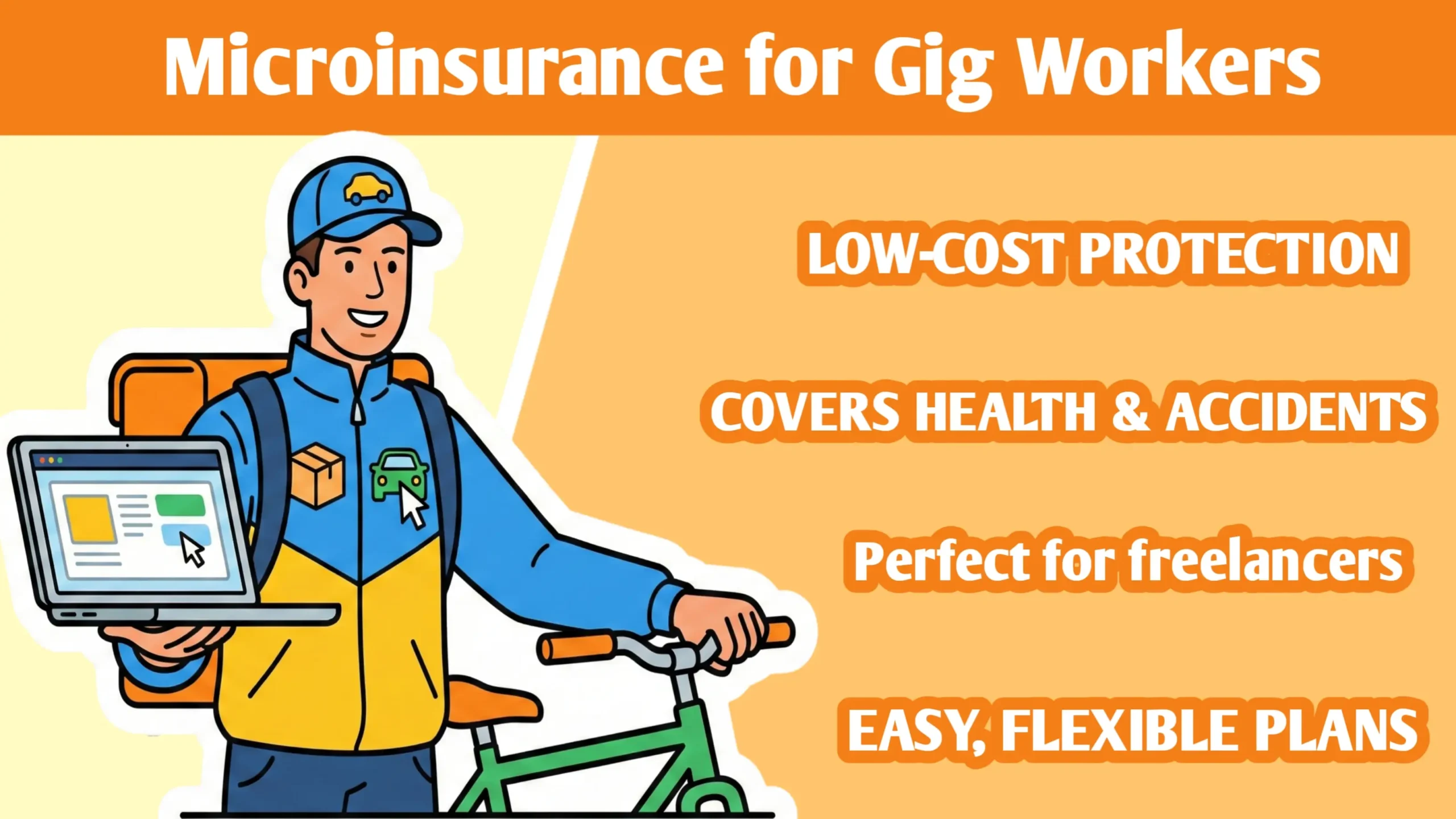
Hi friends! Let’s talk about a real-life worry. Picture Rahul, a delivery rider in Bangalore. He’s hustling every day, but one rainy evening, his bike slips. A broken arm means no income for weeks, plus hospital bills. Or think of Priya, a freelance graphic designer. Her laptop, her lifeline, suddenly dies. A new one wipes out her savings. Sound familiar? You’re powering the modern economy, yet a single mishap can derail everything because traditional safety nets weren’t built for you. That’s where a smart, new-age tool comes in. This guide is your friendly map to affordable insurance designed for the gig life—no confusing jargon, just clear steps to get the protection you deserve.

This guide will walk you through everything you need to know about microinsurance for gig workers, from understanding your unique risks to finding a plan that fits your budget and lifestyle.

The Gig Worker’s Dilemma: Why Traditional Insurance Doesn’t Fit

Honestly, the regular insurance world wasn’t made for us. It’s built for people with predictable paychecks and company HR departments. For gig warriors, it creates a perfect storm of problems:

  • Irregular Income: How can you commit to a fixed, high monthly premium (that’s just the regular payment you make for the policy) when your earnings change every week?
  • No Employer Backup: There’s no company-sponsored group health or accident plan. You’re on your own.
  • Unique On-the-Job Risks: Delivery riders face traffic accidents. Consultants face client liability issues. A traditional policy might cover things you don’t need while missing what you do.
  • Too Complex: Lengthy forms, medical check-ups, and confusing terms make the whole process feel intimidating and time-consuming.

The result? A massive “coverage gap” that leaves millions financially vulnerable. This systemic gap between informal labor and formal risk protection is a critical challenge, as explored in this analysis on formal insurance for informal labor.

What is Microinsurance? It’s Insurance, Unbundled.

So, what’s the fix? Think of it like music. You don’t need to buy the whole expensive album if you just want one song. Microinsurance works the same way. It’s insurance broken down into small, targeted, and super low-cost policies. Forget the jargon. It’s built on four simple principles:

  • Low Cost: Premiums can be as small as your daily chai budget.
  • Simple Terms: No 50-page documents. Coverage is clear and specific.
  • Easy Access: Buy it in seconds on your phone, often with a single tap in your gig app or a fintech platform.
  • Focused Coverage: It protects you against one big risk at a time, like a hospital stay or a bike accident.

In short, microinsurance isn’t a cheaper version of traditional insurance; it’s a completely different product designed for flexible, immediate needs.

Side-by-Side: Microinsurance vs. Traditional Insurance

Let’s cut the confusion. This table shows you the key differences at a glance:

FeatureTraditional InsuranceMicroinsurance
PremiumHigh, fixed monthly/annuallyVery low, flexible (daily, weekly, pay-per-use)
Purchase ProcessLengthy, document-heavySimple, often fully digital
Coverage ScopeBroad, sometimes includes unnecessary itemsNarrow & focused on specific risks
Contract LengthLong-term (1+ years)Short-term or on-demand
Ideal ForStable income, long-term planningVariable income, immediate risk coverage

Your Microinsurance Toolkit: Products Designed for You

Now, let’s get practical. What kind of microinsurance products are actually out there for you? Here’s your toolkit, with real-world scenarios:

  • Pay-Per-Trip/Task Accident Cover: You’re a delivery or taxi driver. Turn on cover for ₹5 when you start a trip. If you have an accident, it pays for medical costs or a lump sum. This is the essence of pay-per-use insurance.
  • Hospital Cash Microinsurance: You get dengue and are hospitalized for 5 days. This policy pays you a fixed amount, say ₹1,000, for each day you’re in the hospital, helping cover lost income and extra expenses.
  • Outpatient/Telemedicine Cover: For minor illnesses like fever or a cough, it covers doctor consultation fees (often via an app) and basic medicines, so a small sickness doesn’t hit your wallet.
  • Tool/Device Insurance: Perfect for freelancer coverage. Your laptop, phone, or camera gets stolen or damaged? This policy helps repair or replace it, keeping you in business.
  • Income Loss Protection (Emerging): If a major illness or injury keeps you from working for a month, this provides a small, regular payout to help cover essential bills until you’re back on your feet.

How to Get Covered: A 5-Step Checklist for Gig Workers

Knowledge is power, but action is everything. Here’s your simple insurance checklist to move from thinking about it to being covered:

  1. Audit Your Risks: What’s most likely to go wrong in *your* gig? Is it a bike accident, a laptop crash, or a health issue? Write down your top 2-3 financial fears.
  2. Set a Premium Budget: Decide what you can comfortably set aside. A good rule is 2-5% of your average monthly gig income. Start with protecting against your #1 risk.
  3. Research & Compare: Look for providers. Check your gig platform’s app (many now offer built-in covers), fintech apps, insurer websites, or even cooperative societies. Don’t just go for the first one you see.
Read Also
Term vs. Whole Life Insurance: Which Policy is Right for You?
LIC TALKS! • Analysis
  1. Read the Fine Print (The 3 Key Questions): Before you buy, ask: What is EXCLUDED? What documents do I need for a claim? Is there a waiting period before coverage starts?
  2. Start Small, Scale Up: Don’t feel pressured to cover everything at once. Begin with one critical policy, like accident cover. Get comfortable with it, then consider adding another layer of protection.

Common Pitfalls to Avoid When Buying Microinsurance

A quick word of caution to save you headaches later:

  • Pitfall 1: Assuming it’s full health cover. It’s usually not. It’s for specific events, so know the limits.
  • Pitfall 2: Ignoring the claim process until disaster strikes. Download the insurer’s app and save the claim helpline now.
  • Pitfall 3: Letting the policy lapse because you forgot a payment. Set a weekly reminder if your payment is flexible.
  • Pitfall 4: Not telling a family member or your nominee about the policy. They can’t claim what they don’t know exists.

The Road Ahead: Challenges and The Future of Inclusive Coverage

Let’s be real, the world of microinsurance implementation is still growing. There are bumps: lack of awareness, some people don’t trust insurers, and product variety can be limited. But the future is bright and techie!

Imagine using blockchain for instant, transparent claims. Or your ride-sharing app using IoT data to offer you a lower premium because you’re a safe driver. We’re already seeing platform-led models where companies like Uber or Swiggy offer built-in accident covers—this trend will explode.

For systemic change, the development of inclusive financial products requires supportive frameworks, a topic detailed in this analysis on formal insurance for informal labor.

Read Also
Term Insurance vs Whole Life Insurance: Which One Saves You More Money?
LIC TALKS! • Analysis

Frequently Asked Questions (FAQ)

FAQs: ‘insurance for informal sector’

Q: Is microinsurance legally valid and reliable?
A: Yes, it’s completely legal and reliable if sold by a registered insurer. Always check for an IRDAI registration number to ensure you’re buying a legitimate, regulated product.
Q: Can I have microinsurance if I already have a traditional life insurance policy?
A: Absolutely! They work together. Your life insurance is for long-term family security, while microinsurance covers specific short-term risks like an accident. They complement each other perfectly.
Q: How quickly can I get a claim settled with microinsurance?
A: It’s designed for speed. For simple claims like hospital cash with correct documents, many providers settle within 24 to 72 hours through digital processes.
Q: What happens if I miss a flexible premium payment?
A: Your coverage usually stops right away. To avoid this, pick a payment schedule that matches your cash flow, like weekly, and set a phone reminder.
Q: Are there any tax benefits on microinsurance premiums?
A: Generally, no. Most products don’t qualify for tax deductions under 80C/80D. Their main benefit is affordable risk coverage, not tax savings.

Conclusion: Taking Control of Your Financial Safety Net

Let’s wrap this up. Microinsurance for gig workers isn’t a fancy luxury; it’s a practical, manageable tool for building financial resilience. It acknowledges your reality—variable income, specific risks—and meets you there. The most important step is the first one. Starting with one small policy is infinitely better than having no safety net at all. Use the checklist from above this week. Look at your gig app’s offers or a financial app you already use. The options for smart, flexible financial protection gig workers are growing every day, putting real power back in your hands.

How useful was this post?

Click on a star to rate it!

Average rating 0 / 5. Vote count: 0

No votes so far! Be the first to rate this post.

Author Avatar

VIKASH YADAV

Editor-in-Chief • India Policy • LIC & Govt Schemes Vikash Yadav is the Founder and Editor-in-Chief of Policy Pulse. With over five years of experience in the Indian financial landscape, he specializes in simplifying LIC policies, government schemes, and India’s rapidly evolving tax and regulatory updates. Vikash’s goal is to make complex financial decisions easier for every Indian household through clear, practical insights.

Leave a Comment

Reviews
×