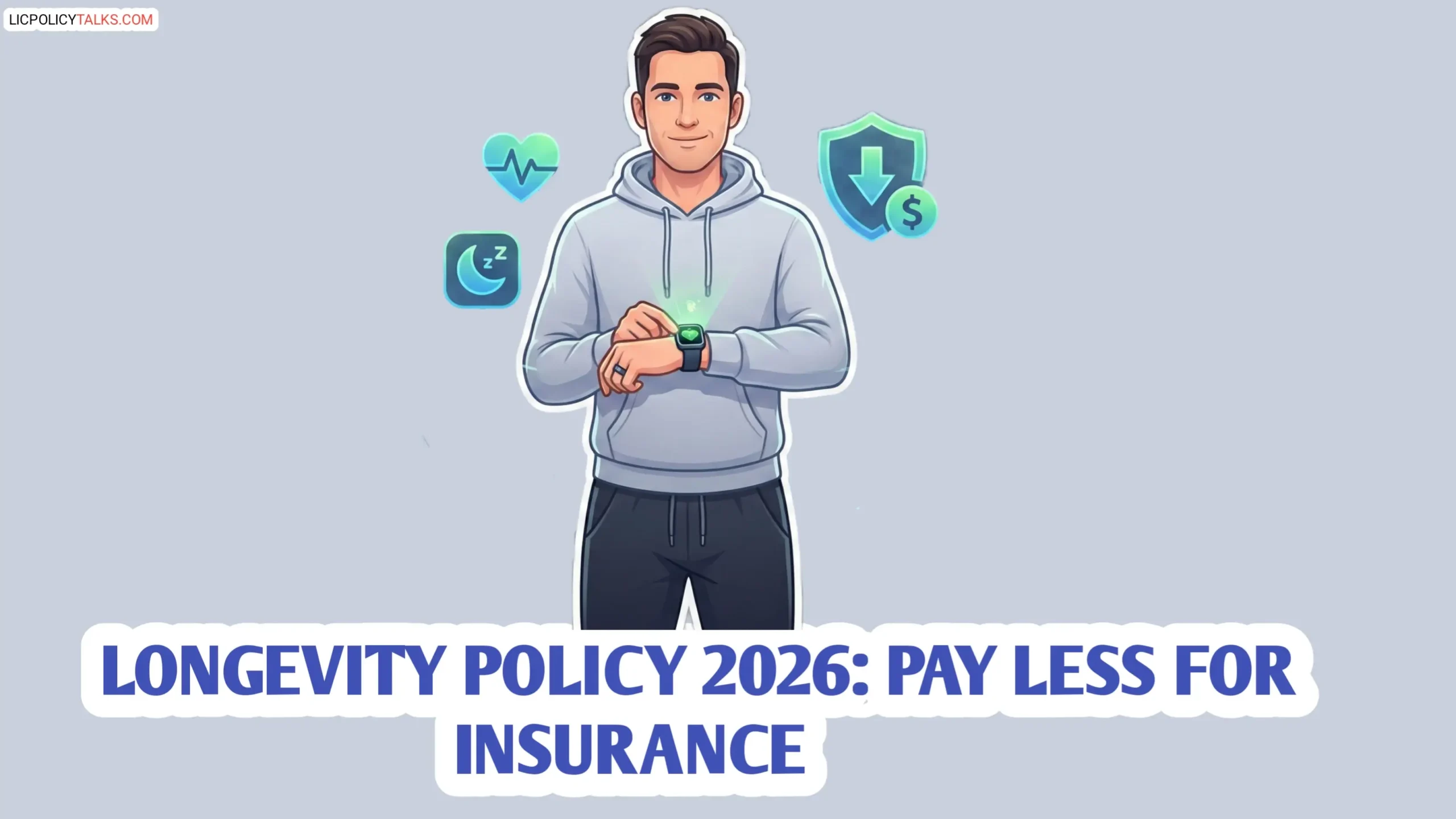
Hi friends! Let’s picture this: you check your bank statement and notice your health insurance premium is lower this month. The reason? Your insurer just gave you a credit because your Apple Watch data showed you’ve been crushing your sleep and activity goals. Sounds like a dream, right? Well, it might be our near-future reality. I’m talking about a new kind of insurance model on the horizon, one that could turn your daily wellness into direct savings. In this post, we’re going to unpack how this might work, what’s in it for you, and the big questions you need to ask before hitting “share.”
This speculative but plausible model is what we’re calling the Longevity Policy 2026. It’s a future where your wearable data from devices like the Apple Watch and Oura Ring isn’t just for you—it’s a valuable asset you can leverage for significant insurance premium reduction. We’ll explore the mechanics, weigh the savings against the privacy trade-offs, and give you a game plan to get ready.
Beyond Steps & Sleep: How Wearables Became Insurers’ Crystal Ball
Remember when fitness trackers just counted steps? Today’s wearables are sophisticated health monitors. Your Apple Watch can take an ECG, measure blood oxygen, and track heart rate variability (HRV). The best smart rings, like the Oura, continuously monitor skin temperature and sleep stages with clinical-grade precision. Forbes has rigorously tested these devices, confirming their move from basic gadgets to essential wellness tools. This isn’t niche tech; it’s mainstream, high-fidelity health data gathering.
This explosion of data feeds directly into the “Quantified Self” movement—the practice of using technology to track every aspect of your body’s performance. And guess what? Biohackers have become mainstream. What was once a fringe activity is now a cultural shift towards data-driven self-optimization, as noted by Forbes. People aren’t just tracking; they’re actively using this data to improve their sleep, manage stress, and enhance recovery. We’re living in an era of proactive health management.
For the insurance industry, which has always been in the business of assessing risk, this real-time, longitudinal health data is a goldmine. It’s far more predictive of your long-term health than an annual physical or a questionnaire. Your consistent sleep patterns, stable resting heart rate, and good activity levels paint a picture of lower future risk. This fundamental shift in data availability is what makes a quantified self insurance model not just possible, but incredibly logical for insurers looking to reward healthy behavior.
Deconstructing the ‘Longevity Policy 2026’: How It Would Actually Work
So, how would you actually sign up for this? Imagine adding a “Longevity Rider” to your existing policy or opting into a new, data-sharing plan. You’d grant your insurer secure, read-only access to specific data streams—like your resting heart rate, sleep consistency, and active minutes—through a trusted platform like Apple HealthKit. You control the knobs; they just get a feed of the metrics you agree to share. It’s all about health data sharing on your terms.
Next comes the scoring. Insurers would likely develop a proprietary algorithm—a “Longevity Score” or “Vitality Index.” This wouldn’t be about hitting extreme targets. Instead, it would reward consistency and positive trends. Are you sleeping more regularly? Is your HRV improving? The algorithm would compare your anonymized data to population benchmarks to generate your score. The goal is to measure sustained wellness, not punish you for a bad week.
The Hypothetical ‘Longevity Score’ Composition
A simplified visual of how an insurer might weight different wearable data points to calculate a wellness score.
Now for the good part: the rewards. Your high score translates into tangible benefits. Models could include an immediate premium discount, an annual cashback reward, a reduced deductible, or credits for hitting specific wellness goals. Think: “Maintain an average sleep score above 85 for six months, and earn a 5% premium credit next year.” It’s a direct financial incentive for healthy living.
Of course, none of this works without ironclad data protections. Any legitimate program would use secure, third-party data intermediaries (companies that specialize in this exchange), employ bank-level encryption, and—most importantly—have strict legal covenants. Your data should only be used to give you discounts, never to penalize you, raise your rates, or deny you future coverage. Understanding these safeguards is non-negotiable.
The Trade-Off: Potential Savings vs. Privacy Pitfalls
The Allure: Tangible Benefits & The Bigger Picture
Let’s talk benefits. Financially, savings from existing corporate wellness programs offer a clue—discounts of 5% to 15% annually are common. For an individual policy, that could mean hundreds saved each year. Beyond money, you might get personalized health insights from your insurer, nudging you towards better habits. This aligns perfectly with the broader movement towards prevention and personalized health, a key trend highlighted in discussions about the future of wellness and longevity tourism. It could democratize proactive health, making it a financially smart choice for everyone, not just dedicated biohackers.
Honestly, the biggest benefit might be the shift in mindset. It transforms health from a passive concern (“I hope I don’t get sick”) into an active, rewarded asset. Your daily choices directly impact your financial well-being, creating a powerful feedback loop for a healthier life.
The Red Flags: What Keeps Privacy Experts Awake at Night
Now, the other side of the coin. The first major concern is data misuse and “scope creep.” Could the data you share today to get a discount be used tomorrow to adjust your base premium or deny a claim? Could it be sold to or shared with third parties like employers or marketers? Without crystal-clear, legally binding limits, the potential for misuse is real.
Then there’s algorithmic bias. What if the algorithm’s definition of “healthy” is unintentionally biased? Could it penalize older adults, certain body types, or people with chronic conditions who manage their health brilliantly but don’t fit a narrow benchmark? If the algorithm is a black box, we can’t know.
Finally, there’s the “Panopticon Effect”—the psychological weight of constant monitoring by a powerful financial entity. Would you skip a fun, late-night outing because it might tank your sleep score and cost you money? The pressure to perform for an algorithm could create new anxieties, turning wellness into a stressful obligation.
Weighing the Scale: Pros vs. Cons of Data-Sharing
| Potential Benefits (Pros) | Key Risks (Cons) |
|---|---|
| Potential Savings on premiums | Data Privacy Risks & potential misuse |
| Personalized Health Nudges & insights | Algorithmic Bias Concerns |
| Alignment with proactive wellness goals | The “Panopticon” Effect & psychological pressure |
| Democratizing access to longevity-focused care | Long-Term Contract Lock-in with data sharing |
Hover over rows for highlight. Table is scrollable on mobile.
Getting ‘Policy-Ready’: How to Optimize Your Data & Your Stance
Whether you’re excited or cautious, being prepared is key. Start by auditing your own data. Open your Apple Health or Oura app and look at the last 90-day trends for sleep, resting heart rate, and activity. What story does it tell? Establishing your personal baseline is step one.
Next, optimize consistently, not extremely. You don’t need to become an elite athlete. Focus on sustainable improvements: better sleep hygiene, daily movement, and stress management. This isn’t about hacking your body; it’s about building resilient habits. This approach is a core part of the broader tech-empowered wellness movement, reflected in the top consumer tech trends for 2025.
If a policy emerges, become a savvy data negotiator. Before signing, ask pointed questions: Who is the data intermediary? Exactly which data points are used? Can I see my “score” and how it’s calculated? What are the terms for revoking my data access? Get everything in writing.
Finally, know that opting out is a perfectly valid choice. If sharing deep health data with an insurer makes you uneasy, explore other discount avenues like traditional wellness programs. A legitimate Longevity Policy 2026 should reward participants, not punish those who choose privacy.
The Road to 2026 and Beyond: Is This the Future of Insurance?
So, is this sci-fi or the next logical step? The trends are converging: wearables are becoming medical-grade, consumers are more willing to trade data for value, and insurers need innovative models. Companies like ShapeScale are already working to redefine longevity tracking. The Longevity Policy 2026 is a plausible evolution, not a fantasy.
Looking ahead, we might see a tiered insurance landscape. Basic policies (no data share), Participatory policies (data-for-discounts), and Premium longevity partnerships (data plus access to coaches and advanced screenings). Your choice will depend on your comfort level and health goals.
The final verdict? This model represents a powerful opportunity to financially reward healthy living. But its success hinges entirely on transparency, ethical data use, and unwavering consumer protection. The power—and responsibility—will lie with you, the consumer, to give informed consent. Your most valuable asset in 2026 might just be your data literacy.
Your ‘Longevity’ Policy Questions, Answered
Based on common reader concerns, here are clear answers to key questions.