
Hi friends! Let’s talk about something that might feel a bit unsettling but is super important. You’ve probably built your portfolio on the steady, reliable foundation of passive investing. It’s the “set and forget” dream. But what if I told you there’s a debated, hypothetical risk on the horizon that could put that strategy on ice—literally? We’re going to explore the so-called “Index Fund Freeze” scenario, why some experts are whispering about 2026, and most importantly, what you can do to make sure your financial safety net is made of steel, not silk. No panic, just a clear-eyed look with a solid plan.
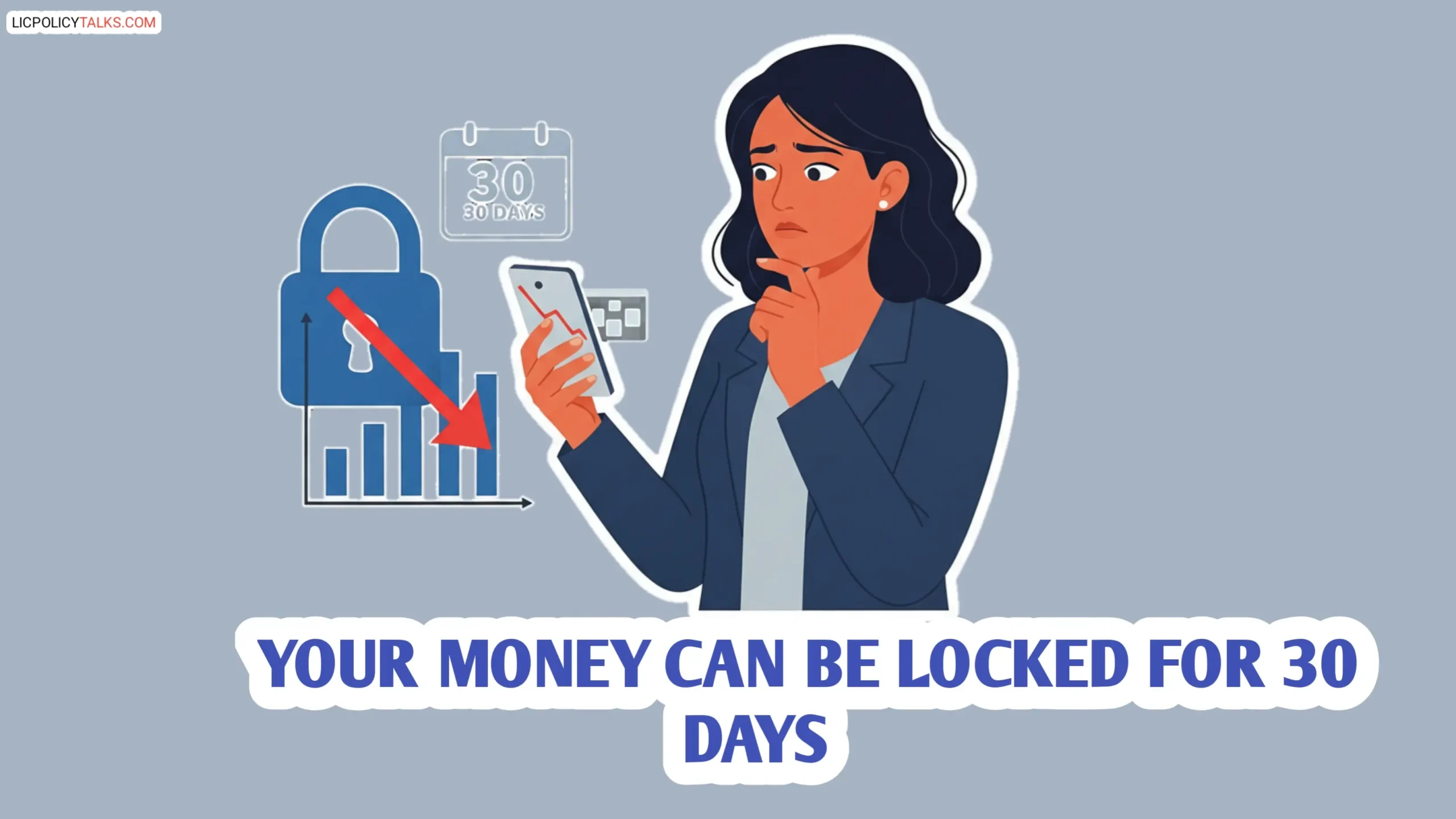
The comfort of automatic, low-cost investing faces a new type of structural threat. This article will explain how a perfect storm of market mechanics could lead to an unprecedented fund Index Fund Freeze, locking your money when you might need access the most.
The Silent Threat to Your Set-and-Forget Portfolio
For years, the promise of passive investing has been simplicity and security. But history shows us that markets have a habit of revealing hidden cracks during moments of extreme stress. Remember the flash crash of 2010 or the wild volatility of March 2020? These weren’t just blips; they were stress tests for the entire system.
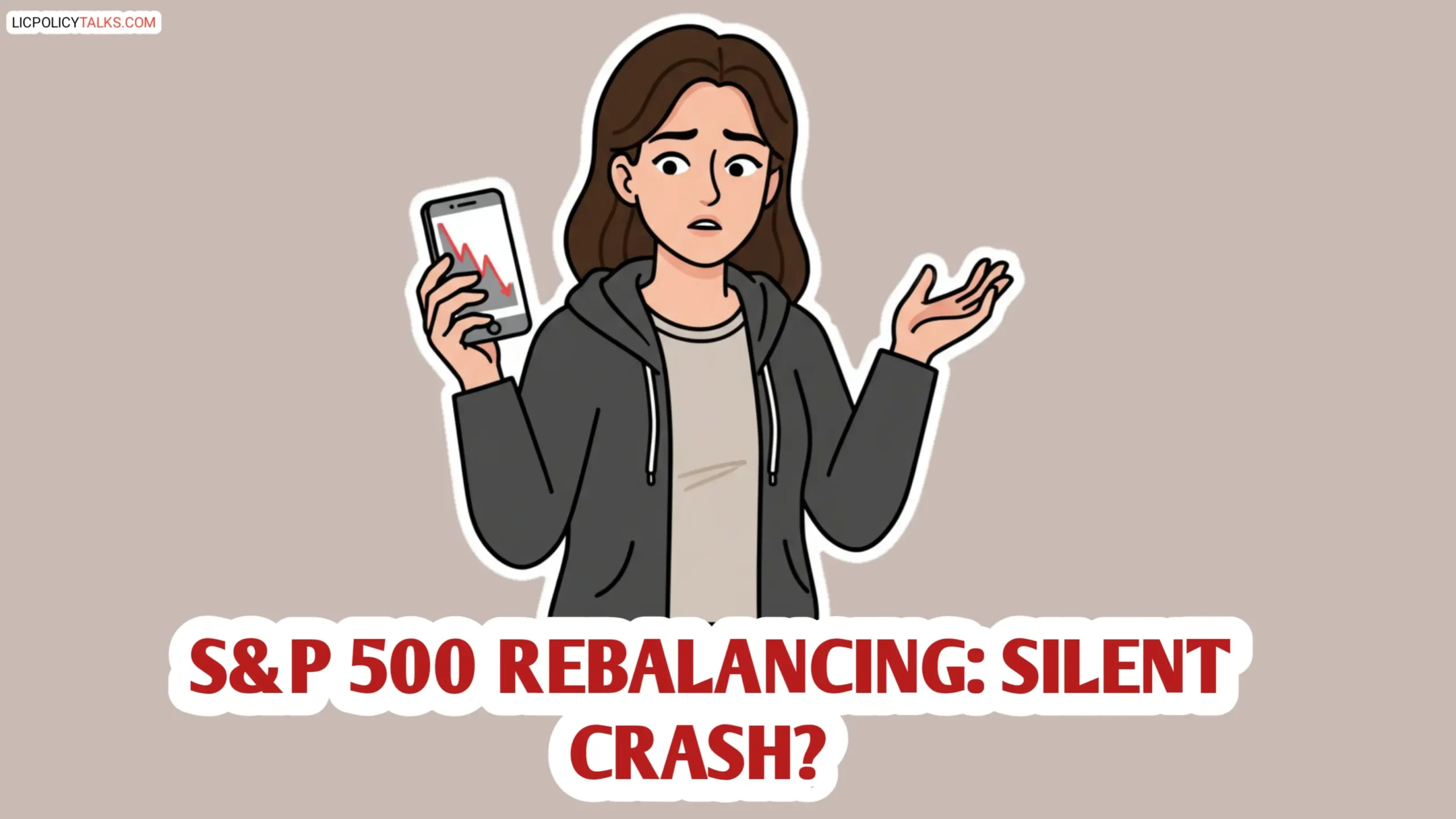
Now, imagine a similar event, but magnified by today’s market structure. The core thesis is that a confluence of factors—explosive growth in passive funds, evolving regulations, and complex trading technology—could create a ‘perfect storm’ around 2026. This storm might not just cause a dip; it could trigger a liquidity seizure, leading to what’s being called a ‘freeze’ on some funds. Is your portfolio ready?
If terms like ‘flash crash‘ or ‘circuit breaker’ are new to you, don’t sweat it. Building a strong foundation is key. A great place to start is a resource like the Stock Titan glossary, which breaks down these concepts in simple language. The goal here isn’t to scare you, but to arm you with knowledge. By the end, you’ll understand the mechanics of this risk and have a practical defense plan.
Part 1: Understanding the 2026 “Freeze” Scenario – It’s Not Magic, It’s Mechanics
First, let’s demystify the scary word “freeze.” We’re not talking about your money vanishing or a fund going bankrupt. Think of it more like an extreme, prolonged trading halt or a temporary suspension of redemptions. It’s a circuit breaker for the fund itself, invoked to prevent a disorderly collapse during a systemic crisis. The domino effect that leads to a freeze is a chain reaction of failing liquidity, not magic.
The Domino Effect: From Flash Crash to Frozen Funds
Let’s walk through how a normal bad day could spiral into an unprecedented freeze. It starts with a trigger—maybe a geopolitical shock or a rogue algorithm. This causes a rapid, severe market drop, a modern flash crash. As prices plunge, market-wide circuit breakers kick in, halting all trading for a short period to let everyone catch their breath.
Here’s where it gets tricky for index funds. These funds hold baskets of stocks. When trading halts, the underlying securities become impossible to price accurately or trade. The middlemen who keep ETFs flowing, called Authorized Participants (APs), suddenly step back because they can’t manage the risk. This causes the ETF’s market price to diverge massively from its actual Net Asset Value (NAV).
Picture a bank run, but for a fund. If everyone tries to exit at once during this chaos, the fund manager has to sell assets at fire-sale prices, hurting the investors who stay. To protect the majority, the manager can invoke clauses (buried in the prospectus) to temporarily suspend creations and redemptions. This is the ‘freeze’ or ‘liquidity gate.’ It’s a last-resort button to stop a run and stabilize the fund’s value.
The entire process is a failure of liquidity, where the normal trade channels have completely dried up. It turns your liquid, trade-any-second ETF into an illiquid holding you’re stuck with until order is restored, which in a worst-case scenario, could be weeks.
The Freeze Domino Chain
Why 2026? The Perfect Storm of Regulation, Technology, and Concentration
So why are people pointing to 2026? It’s about the alignment of several powerful trends. First, we could see significant post-2024 election regulatory changes. New rules aimed at stability, like stricter liquidity buffers for funds, might have unintended consequences, making managers more trigger-happy with suspension clauses during stress.
Second, passive assets are projected to keep growing, potentially reaching a dominant share of the market. This ironically reduces overall market liquidity, as passive funds don’t actively provide bids and offers. Third, our increased reliance on algorithmic trading can amplify shocks at lightning speed. Finally, add potential geopolitical or economic volatility from other predicted 2026 market shifts, such as potential seismic changes in Asian markets.

When you combine potential new regulations, a market dominated by passive strategies, and hyper-fast electronic trading, you get a system that is both incredibly efficient and potentially fragile. The 2026 timeline represents a convergence point where these systemic pressures could reach a peak, making the freeze scenario more plausible than ever before.
Part 2: Your Portfolio Under the Microscope – Are You at Risk?
Okay, so the theory is out there. Let’s get practical. How do you know if *your* money is in the crosshairs? The truth is, not all index funds are equally vulnerable. Your risk depends entirely on what you own. This is where we shift from big-picture theory to personal portfolio triage.
Not All Index Funds Are Created Equal: Liquidity Tiers
The key concept here is ‘liquidity’—how easily an asset can be bought or sold without affecting its price. A giant S&P 500 index funds ETF like SPY or VOO holds the most liquid stocks in the world. In a crisis, there will still be *some* buyers for Apple or Microsoft. But a niche ETF holding small, obscure international stocks or a hyper-specific thematic fund? That’s a different story.
Also, remember the structure difference: ETFs trade on an exchange like a stock, so if the exchange is open, you can try to sell (though maybe at a terrible price). Mutual funds, however, only let you redeem at the end-of-day NAV. In a meltdown, ETFs might freeze first as APs vanish, but mutual funds could simply delay fulfilling redemption requests for days. Your freeze risk is highest in funds that hold illiquid assets, regardless of the wrapper.
Index Fund Vulnerability Assessment
| Fund Type | Liquidity Profile | Freeze Risk Level | Primary Reason |
|---|---|---|---|
| S&P 500 ETF (e.g., SPY, VOO) | Very High | Lower | Massive, diverse underlying liquidity |
| Nasdaq-100 ETF (e.g., QQQ) | High | Medium | Concentrated in tech; higher volatility |
| International Small-Cap ETF | Low | Higher | Underlying stocks illiquid in a crisis |
| Thematic/Sector ETF (e.g., ARKx) | Variable/Low | Highest | Concentrated, volatile holdings |
The 30-Day Lock: What It Actually Means for You
Let’s be brutally practical. A freeze isn’t just watching your portfolio value drop on a screen—that’s normal market volatility. A freeze means you are powerless. You cannot sell to cut losses, rebalance your allocation, or harvest tax losses. If a chunk of your brokerage account is frozen, you cannot access that cash for an emergency.
Perhaps the biggest damage is psychological. The feeling of being trapped can lead to panic selling the moment the freeze lifts, often at the worst possible time, locking in permanent losses. The real risk isn’t just the freeze itself, but the bad decisions it pressures you into making right after.
Part 3: Building a Crash-Resistant Portfolio – Beyond Passive Dogma
Knowledge is only power if you act on it. The goal isn’t to abandon passive investing—it’s a fantastic tool. The goal is to fortify it. Think of this as adding seatbelts and airbags to your financial vehicle. You hope you never need them, but you’d never drive without them. Let’s build your unfreeze toolkit.
Immediate Actions: The Liquidity Health Check
Start with a simple audit. Open your brokerage statement. Identify any funds that look like the high-risk types in our table—super niche, thematic, or focused on illiquid markets. Next, do the un-fun thing: skim the summary prospectus for your funds. Search for terms like “suspension of redemptions” or “liquidity gates” to understand your fund manager’s emergency powers.
Then, ensure your basic financial plumbing is robust. Do you have an emergency fund in plain cash or cash equivalents *outside* of the stock market? This is your first and most important line of defense. Finally, consider structuring your portfolio with a ‘core and satellite’ approach. The core (80-90%) stays in ultra-liquid, broad-market index funds. The satellites (10-20%) can be for riskier, thematic bets. This approach helps mitigate concentration risk, which is a separate but related danger.
Strategic Diversification: The Unfreeze Toolkit
True diversification isn’t just more stock ETFs. It’s about holding assets that behave differently when equities are seizing up. Consider allocating a small portion (5-15%) to genuine safe havens. Short-term U.S. Treasury bills, either directly or via a fund like SGOV, are a prime example. They are backed by the government and often see prices *rise* during flight-to-safety panics.
Other tools include physical gold (or a highly liquid ETF like GLD) and holding plain cash in multiple currencies. Even the role of skilled active managers can be reconsidered—not to replace your index core, but as a potential diversifier who can navigate or avoid frozen assets. This strategic buffer is about resilience and optionality, not predicting the crash. If terms like ‘yield curve’ or ‘liquidity premium’ are fuzzy, resources like the Stock Titan glossary can help build that foundational knowledge.
The Mental Game: Preparing for the Inevitable Volatility
The final piece isn’t about your portfolio; it’s about you. Write down an Investment Policy Statement (IPS). It’s a simple document that states your goals, risk tolerance, and—critically—what you will and won’t do during a crisis. “I will not sell assets during a freeze” is a powerful line to have written in calm times.
Stress-test yourself mentally. Can you truly watch 30% of your portfolio vanish *and* be locked for a month without making a desperate move? Preparing this mental fortitude is the ultimate portfolio protection. It prevents the worst outcome: freezing in panic after the fund freeze thaws.
FAQs: ‘ETF trading halt’
Q: Has an index fund ever been ‘frozen’ like this before?
Q: Would a freeze affect my 401(k) or IRA differently?
Q: Are Vanguard, Fidelity, or BlackRock funds safer from this risk?
Q: If a freeze happens, should I sell immediately when it lifts?
Q: Can regulators prevent this?
Knowledge is Your Best Liquidity
Let’s wrap this up. The goal was never to spread fear about an Index Fund Freeze. It was to shine a light on a debated, complex risk so you can see it clearly. Passive investing remains a powerful, wealth-building strategy, but true strength comes from understanding its vulnerabilities, not ignoring them.
In finance, the worst risks are always the ones we don’t see coming. By even considering this ‘freeze’ scenario, you’ve already taken the most critical step: proactive education. You’ve moved from a passive participant to an informed architect of your financial future. That knowledge, and the calm, prepared action it inspires, is the ultimate form of portfolio protection and liquidity. Now go check that portfolio health, and sleep a little easier.