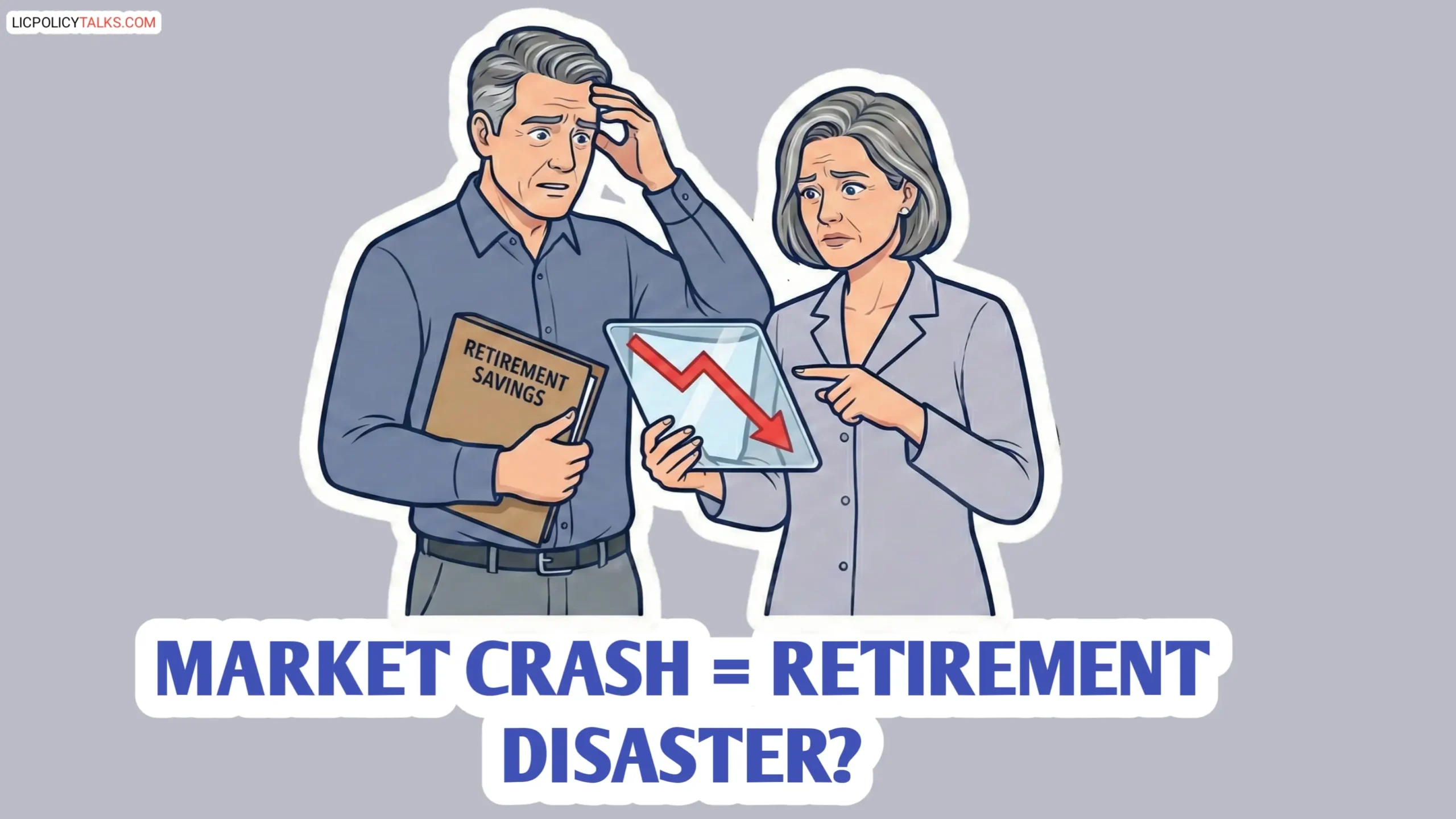
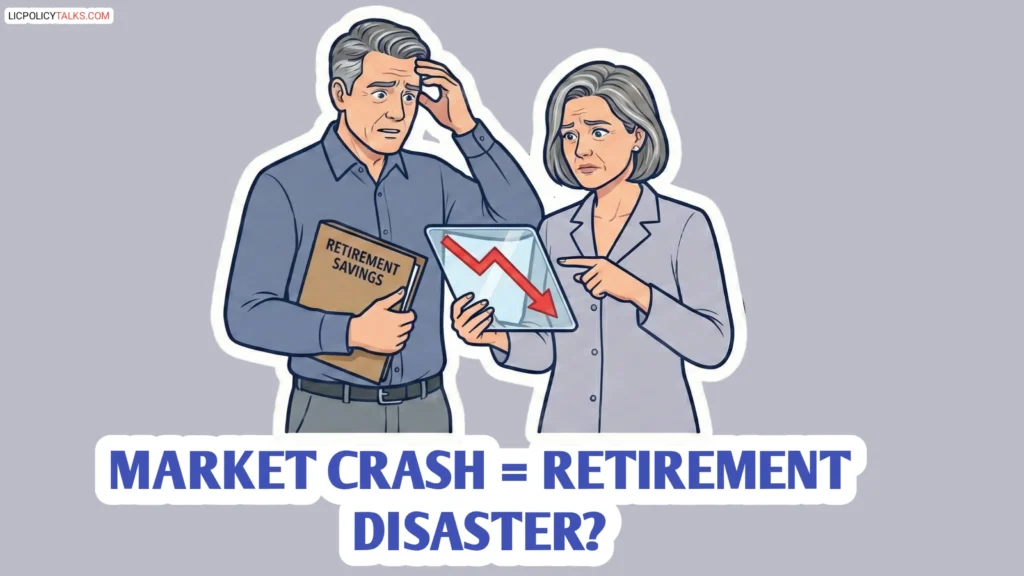
Hi friends! Picture this: it’s 2026, and after decades of hard work, you’ve finally saved that magic number for retirement. You retire with a $1 million portfolio, feeling secure. But then, the market tanks by 25% in your first year. You still need to withdraw $40,000 for living expenses, so you sell investments at a massive loss. Fast forward 10 years, and your nest egg is nearly gone, forcing you back to work. How could this happen when the long-term average returns looked so good? The answer lies in a silent killer called sequence of returns risk.
Recent analysis highlights how this risk can dramatically shrink a retirement nest egg if poor returns hit early during the withdrawal phase The ‘Sequence of Returns’ Risk Could Shrink Your Retirement Nest Egg. This isn’t just volatility; it’s the dangerous financial risk that the order of your returns, especially bad ones at the start of retirement, can devastate your retirement savings. In this guide, we’ll break down what sequence of returns risk really is, show you a terrifying 2026-focused visual case study, and give you five proven strategies to protect your future.
Understanding sequence of returns risk is crucial because it explains why two retirees with the same average portfolio return can have completely different outcomes—one thriving, the other broke. It’s the core financial risk that most conventional retirement planning overlooks.
The 2026 Retirement Crash Test: Why Your Portfolio’s First 5 Years Decide Its Last 20
Let’s make it real. Imagine two friends, Alex and Sam, both retire in 2026 with $1 million and plan to withdraw 4% ($40,000) annually, adjusted for inflation. They even earn the same average annual return of 6% over 25 years. But Alex gets hit with a -25% market correction in year one, while Sam enjoys strong gains early and faces the same downturn in year ten. The devastating impact of poor returns early in retirement, when you are forced to sell assets to fund withdrawals, is what sequence of returns risk is all about. Alex’s portfolio depletes years earlier because selling low locks in losses and cripples the compounding engine.
This isn’t a theoretical exercise. For the 2025-2030 retiree cohort, a major market correction is a real possibility. If it strikes early in your retirement, it doesn’t matter what your statements said before; your income plan could collapse. The time to understand and guard against this sequence of returns risk is now, before the sequence is set.
What is Sequence of Returns Risk? (It’s Not Just Volatility)
Sequence of returns risk (SORR) is the danger that the order of your investment returns is bad, especially poor returns early in retirement when you are withdrawing money. Think of it like drawing water from a well. If a drought hits right when you start needing water every day, the well runs dry fast. But if the drought comes later, after years of rain, you have a buffer. For retirees, a downturn isn’t just a paper loss you can ride out; it forces you to sell more shares at low prices to get your cash, which permanently shrinks your portfolio.
This is different from general market volatility. When you’re accumulating wealth, a drop is an opportunity to buy more. In retirement, it’s a threat that forces you to sell. Selling low to fund withdrawals is the dual engine of destruction: it locks in losses and reduces the portfolio’s ability to recover. This mechanics of selling low is why many average retirement plans are risky, and a shift in approach is needed Average Retirement Plans Can Be Risky: Why Income Investing Is The Practical Solution. It directly leads to portfolio depletion.
The 2026 Correction Scenario: A Visual Nightmare for Retirees
Here’s a powerful visual comparison. Both retirees start with $1M and use a 4% withdrawal strategy. The “Unlucky 2026” retiree faces an immediate -25% correction. The “Lucky” retiree gets the correction a decade later. The difference in portfolio depletion is shocking and highlights the extreme retirement date risk.
As we’ve seen, the sequence of returns can be devastating. So, what can you do about it? For a deep dive into specific, advanced tactics for the 2026 landscape, explore our detailed analysis below.
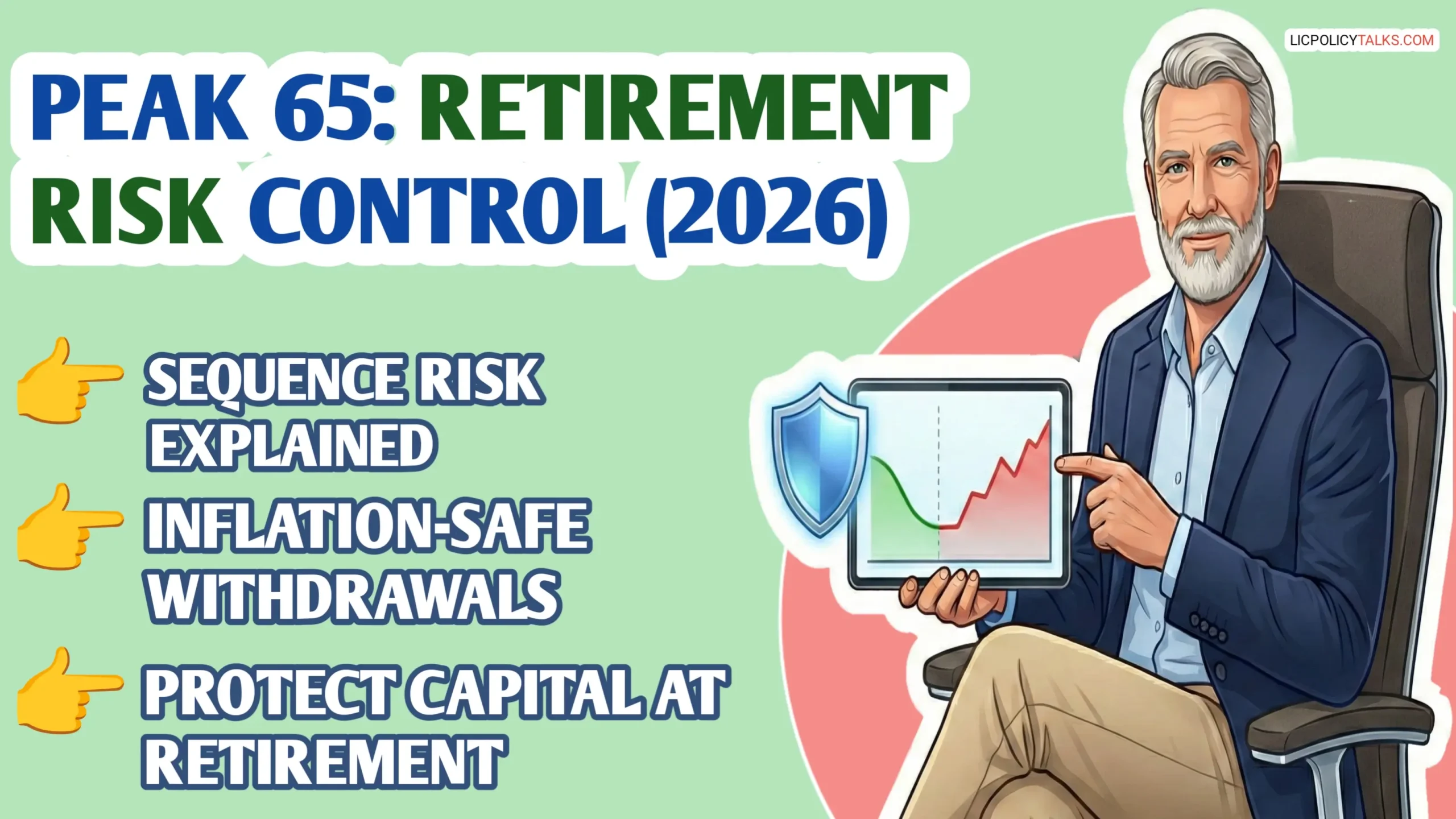
5 Proven Strategies to Neutralize Sequence Risk in 2026 and Beyond
Avoiding sequence of returns risk requires a proactive shift from pure growth-focused accumulation to a defensive, income-oriented distribution plan. Here are five actionable strategies to bulletproof your retirement savings.
1. The Bucket Strategy & Dynamic Withdrawal Rules
The ‘bucket’ approach segments your portfolio into three parts: a short-term bucket with 1-3 years of cash or cash equivalents for immediate spending, a medium-term bucket with 5-7 years of bonds or income assets, and a long-term bucket with growth assets like stocks. This creates a spending buffer so you don’t have to sell stocks in a downturn. By keeping a cash buffer, you can avoid selling investments at a loss during market corrections, which is crucial for managing sequence risk.
Pair this with dynamic withdrawal rules: if the market has a bad year, reduce your withdrawals temporarily. For guidance on the cash reserve, consider the insights from How much cash should you keep?. This strategy directly improves your withdrawal strategy and secures retirement income.
2. The Strategic Shift to Income Investing
Instead of relying solely on selling assets for income, focus on generating reliable cash flow from dividends, interest, or annuities to cover base expenses. This “live off the interest” approach provides psychological peace and practical stability. Average Retirement Plans Can Be Risky: Why Income Investing Is The Practical Solution underscores this shift. However, be cautious: not all dividend strategies are effective, as highlighted in Why Most Dividend Retirement Strategies Fail: How To Retire With Dividends.
3. Asset Allocation Glide Path (The Rising Equity Defense)
Challenge the old idea of a static or declining stock allocation in retirement. Consider a “rising equity glide path”: start retirement with a lower stock allocation (e.g., 30-40%) and gradually increase it over 10-15 years. This reduces your exposure to early crashes when sequence risk is highest, giving your portfolio time to recover from any initial downturn.
4. Contingency Planning: The ‘Plan B’ Spending Menu
Pre-plan flexible spending cuts. Create a tiered list of discretionary expenses—like travel, dining out, or luxury subscriptions—that you can reduce or eliminate temporarily in a market downturn. This reduces the amount you must withdraw from your portfolio during bad years, helping to preserve capital.
5. Using Annuities as a Risk-Transfer Floor
Use a portion of your portfolio to purchase a Single Premium Immediate Annuity (SPIA) or Qualified Longevity Annuity Contract (QLAC) to guarantee a base level of income for essential expenses. This transfers the longevity and sequence risk to the insurance company, allowing the rest of your portfolio to be invested more aggressively for growth without the fear of early depletion.
Side-by-Side: Traditional vs. SORR-Aware Retirement Approach
Here’s a concise comparison to help you see the philosophical and practical shifts needed to protect against sequence of returns risk.
| Aspect | Traditional (High-Risk) Approach | SORR-Aware (2026) Approach |
|---|---|---|
| Primary Goal | Maximize total portfolio growth. | Generate reliable income and preserve capital in early retirement. |
| Withdrawal Method | Static 4% Rule, sell assets regardless of market. | Dynamic/Bucket Strategy. Withdraw from cash/bonds first in a downturn. |
| Asset Allocation at Retirement | Set to ‘moderate’ and slowly get more conservative. | Starts more conservative, uses a ‘rising equity glide path’. |
| View on Market Downturns | A long-term blip to ride out. | An existential threat to the first decade; requires a pre-set contingency plan. |
| Role of Annuities | Often ignored or dismissed. | Considered as a tool to guarantee essential income floor. |
Protecting your savings from early depletion is only half the battle. The other major threat is outliving your money. To build a truly comprehensive retirement plan, you must also understand longevity risk.
Sequence of Returns Risk: Your Questions Answered
Q: I’m 10 years from retirement. Does sequence of returns risk affect me now?
Q: Can’t I just keep a higher percentage in stocks to grow out of a downturn?
Q: How does the ‘Bucket Strategy’ actually work in a multi-year bear market?
Q: Are bond ladders a good alternative to cash for the short-term bucket?
Q: If I use an annuity for basic expenses, what should I do with the rest of my portfolio?
Your 2026 Sequence Risk Action Plan
The unique danger of sequence of returns risk for the 2025-2030 retiree cohort is real and urgent. The time to act is now, before the sequence is set. Here’s your immediate 3-step action plan:
1. Stress-test your current plan: Use a SORR calculator online to see how a 2026 market correction would impact your retirement savings.
2. Review your asset allocation: Consider adopting a “rising glide path” strategy, starting more conservative at retirement.
3. Build a 2-year cash buffer: Ensure you have enough liquid assets to cover expenses without selling investments in a downturn.
Take control of your future. For deeper guidance, explore fundamental Investing Questions and heed research from major institutions like Vanguard, whose insights are crucial for setting realistic goals When Vanguard Talks, People Listen. Your retirement security depends on it.