The first major financial development this morning comes from HMRC data confirming that your personal tax allowance 2026/27 stays at £12,570 – but inflation has silently eroded its spending power by nearly 15% since 2021. For the average earner, this means hundreds of pounds in extra tax. Additionally, a new points-based penalty system under Making Tax Digital could land self-employed workers with £200 fines if they miss quarterly deadlines. Here is what you need to know today.
Quick Highlights: Your Tax Allowance Impact at a Glance
Your tax-free personal allowance stays at £12,570 in 2026/27 – but inflation means less spending power. This article personal tax allowance 2026/27 explained the freeze and new penalties.
- Frozen threshold: £12,570 until 2028 – real value down ~£1,800 since 2021.
- Making Tax Digital penalties: 4 late quarterly submissions = £200 fine. Soft-landing until 2027/28, but compliance still critical.
- ISA overhaul delayed: £20,000 allowance safe for now; use it to shield savings from tax.
According to HMRC data, the allowance has remained at £12,570 since 2021–22, while cumulative inflation has eroded its purchasing power by roughly 15%. If you earn £30,000, this freeze means you pay tax on an extra ~£1,000 of income compared to if it had grown with inflation. That is an extra £200 in tax each year – enough for a couple of monthly groceries.
Personal Tax Allowance 2026/27 – Freeze Confirmed
Personal tax allowance 2026/27 is frozen at £12,570, confirmed by HMRC. The freeze extends until 2028, meaning no increase despite rising prices. For higher-rate taxpayers and the self-employed, the stealth tax trap of fiscal drag continues to erode take-home pay. Note that the personal tax allowance 2026 27 over 65 is also frozen at £12,570 – no extra relief for older taxpayers.
| Tax Year | Personal Allowance | Inflation-Adjusted Value (CPI) |
|---|---|---|
| 2021–22 | £12,570 | £14,500 (2026 prices) |
| 2022–23 | £12,570 | £14,200 |
| 2023–24 | £12,570 | £13,800 |
| 2024–25 | £12,570 | £13,200 |
| 2025–26 | £12,570 | £12,900 |
| 2026–27 | £12,570 | £12,570 |
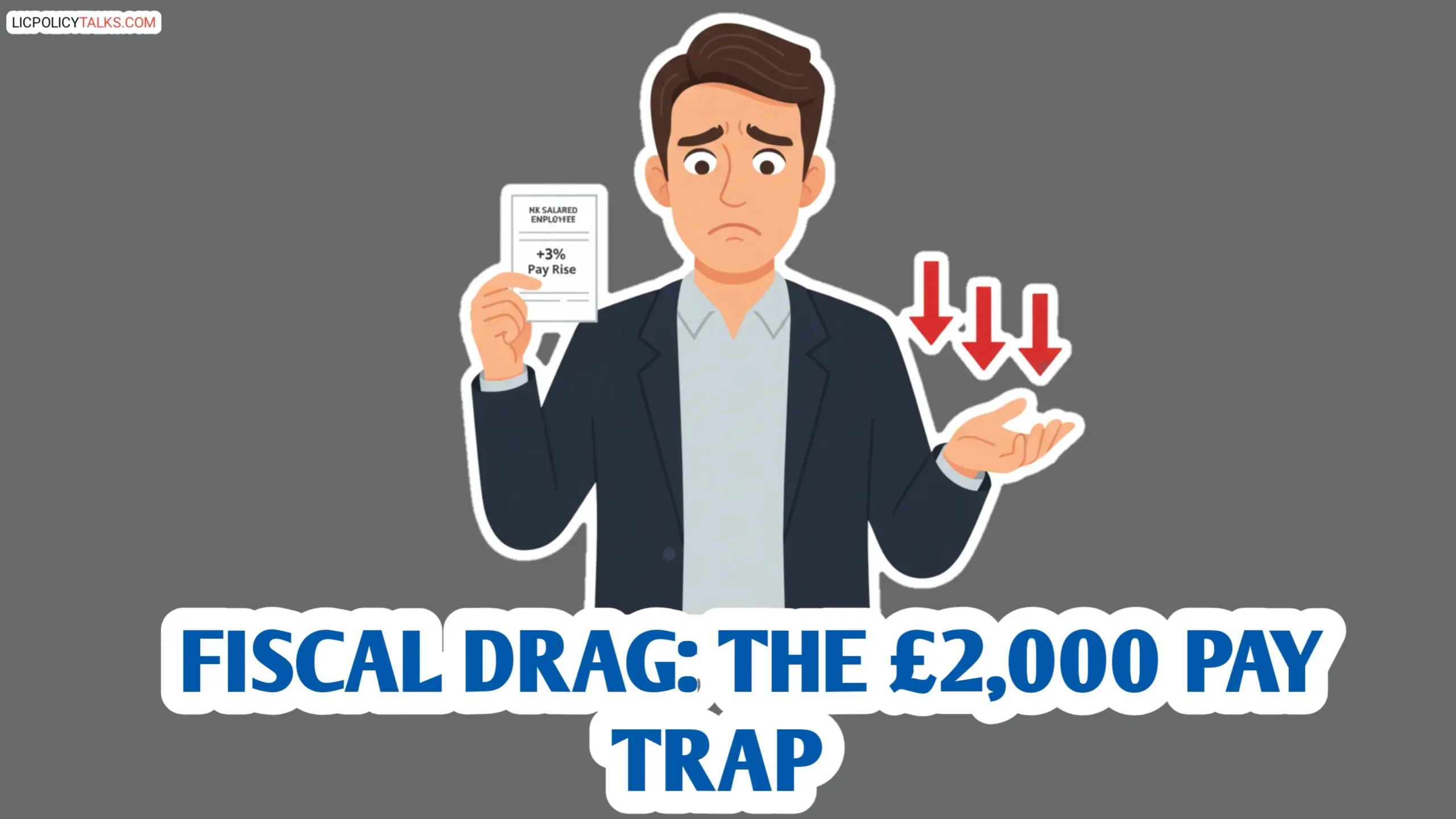
In 2021–22, £12,570 had the same buying power as roughly £14,500 today. That means a £12,570 allowance in 2026–27 is actually worth £2,000 less in real terms – costing you about £600 in untaxed income per year. Most freelancers ignore this and only realise when they file their self-assessment. By then, it is too late to adjust. The smart move is to review your salary/dividend mix now – a common strategy is to keep salary at the personal allowance and take the rest as dividends or pension contributions.
How Much Can You Earn Before Paying Tax Per Month? (LSI question addressed)
How much can you earn before paying tax per month? The answer is £1,047.50 – calculated from £12,570 divided by 12. If you earn less than that per month, no tax is due. If you earn £2,000/month, you pay tax on £952.50. For a freelancer with variable income, be careful: you might think earning £1,500 a month is safe because it is above the threshold but well below £12,570 annually – but if you have a few good months, you can easily cross the limit and end up with a tax bill you did not budget for.
Take a freelancer who earns £1,500 in a quiet month and £3,500 in a busy one. Over the year, their average is above £12,570. The monthly threshold is a guide, but HMRC looks at your total annual income. Many freelancers get caught off guard by this. If you underpay tax because you did not track the monthly equivalent, HMRC may charge interest from the due date.
Making Tax Digital (MTD) Penalties: The £200 Fine You Must Avoid
HMRC has explicitly warned that self-employed workers face £200 fines under a new points-based penalty system linked to Making Tax Digital for Income Tax. According to HMRC warning on GB News, each late quarterly submission earns one penalty point. After four points, a £200 fine is issued automatically. Additional missed deadlines can trigger further £200 fines. Separate late payment charges may also apply.
However, HMRC has confirmed there will be a temporary soft-landing period during the 2026/27 tax year. The tax authority said penalties for missed quarterly submissions will not begin to apply until the start of the 2027/28 tax year. Despite the grace period, accountants and software providers encourage transitioning now. The official personal tax allowance 2026 27 gov uk page explains the MTD requirements in detail.
| Penalty Points Accumulated | Consequence | Example Scenario |
|---|---|---|
| 1 point | No fine (warning point) | Miss July 2026 deadline for Q1 |
| 2 points | No fine yet | Miss October 2026 for Q2 |
| 3 points | No fine yet | Miss January 2027 for Q3 |
| 4 points | £200 fine | Miss April 2027 for Q4 – fine issued |
| 5+ points | Additional £200 per missed deadline | Miss July 2027 for new year Q1 – another £200 |
HMRC’s MTD guidance confirms the points-based system is automated. The soft-landing period makes it easy to ignore – but once it ends, penalties will apply retroactively for any breaches. Start using MTD-compliant software now, even if you do not have to. Most platforms offer a free trial. Filing your first return early during the soft-landing proves compliance and reduces audit risk.
Self-Employed? Your Quarterly Deadlines for 2026/27 (LSI implicit)
MTD for Income Tax applies to self-employed individuals and landlords with combined income over £10,000 from April 2026. If you earn above that, you must file quarterly – even if you owe no tax. The typical quarterly submission months are: July (for April–June), October (July–September), January (October–December), and April (January–March). The first deadline after April 2026 is July 2026 for Q1.
Imagine you miss the July deadline for Q1 because you were busy. You get 1 penalty point. By the time you miss two more, you have 3 points – one more and you get a £200 fine. That can happen faster than you think, especially if you have variable income periods. Each quarterly return takes about 30 minutes with proper software. But if you wait until the last day and your software glitches, you could miss the deadline. Aim to file within the first two weeks of the quarter to avoid stress.
ISA Overhaul Delayed: What It Means for Your Savings Strategy
Rachel Reeves has delayed the ISA overhaul after a tax loophole was exposed. This means current ISA rules remain – the annual allowance stays at £20,000. For savers, this is good news: you can continue to shield savings from tax. However, the personal allowance freeze means that if your total income (including interest from non-ISA savings) exceeds £12,570, you may start paying income tax on the excess. For example, if you have £50,000 in a non-ISA account earning 3% interest, that is £1,500 in interest, pushing you above the allowance if your salary is near the threshold.
The delay might actually be beneficial as it prevents hasty changes. Savers can maximise current tax-free ISA allowances. For more on how tax bands affect your ISA, read our detailed analysis on UK Tax Bands Changes 2026.

The Soft-Landing Trap: Why Waiting to Comply Could Cost You More
Most advisors say you have until 2027/28 – here is why that thinking is wrong. The soft-landing period means no penalties are applied yet, but waiting to comply creates hidden costs. Building digital records now avoids last-minute rush, reduces errors, and prevents audits. HMRC will expect perfect returns the day soft-landing ends, and if your records are messy, you will face penalties immediately. Further, early adopters often get earlier support from HMRC and are less likely to be audited. Being proactive costs less than being reactive.
Imagine you run a busy freelance business. In 2027, you realise you need to submit digital records for the past four quarters. You rush, make mistakes, and miss deadlines. The first month after soft-landing could land you with £200–£400 in fines. Starting now costs you just an hour per quarter. Download the personal tax allowance 2026 27 pdf from the official HMRC website to understand the requirements.
Will Labour Increase Personal Tax Allowance After 2026/27?
Will labour increase personal tax allowance after 2026/27? The honest answer is: do not count on it. Labour’s fiscal rules are tight, and raising the allowance would cost billions. Even if increased in 2028, the real value after inflation may still be lower than 2021 levels. HMRC’s own budget documents confirm the freeze through 2028. There is no speculation or leaked plan suggesting a change. Relying on wishful thinking is not a tax strategy.
If you are self-employed and expecting a higher allowance, you might under-save for tax. That could leave you with a shortfall. It is better to overestimate your tax bill and have a surplus than to face a surprise. Plan your finances assuming the freeze continues.
Your 5-Step Action Plan to Beat the Tax Allowance Freeze and MTD Penalties
- Review your income against £12,570 threshold. You might think step 1 is obvious – but many freelancers do not review their projected income mid-year. If you earn more than expected, you could owe more tax without reserves.
- Use marriage allowance if applicable. The marriage allowance allows you to transfer £1,260 of tax-free allowance to your spouse if they earn below £12,570. But it saves at most £252 per year – helpful, but not a game-changer.
- Maximise ISA and pension contributions. This is a direct way to avoid tax on savings and relieve income.
- Sign up for MTD software early. If you delay, you risk rushing in 2027 and making costly errors. A one-hour investment today can save you a £200 fine.
- Set quarterly reminders. Use your phone calendar to alert you two weeks before each deadline. File early to avoid stress.
Ignoring these steps could cost you £200 or more. The next 24 hours are critical – start reviewing your financial position today.
FAQs: Frequently Asked Questions
FAQs: Frequently Asked Questions
Q: What is the personal tax allowance for 2026/27?
Q: How much can I earn before paying tax per month?
Q: Will Labour increase the personal tax allowance?
Q: What are the new penalties under Making Tax Digital?
Q: How do I avoid £200 fines from HMRC?
The market does not wait – a late decision locks in the loss. The frozen personal allowance and MTD penalties are already in effect. What looks small today can become a significant loss in 6 months. Act now to protect your income.