As of May 7, 2026, top high-yield savings account rates hit 5.84%, reported by Forbes. For UK savers, the First Direct savings account offers a competitive 12-month bonus rate around 4.5% – but after that, the rate drops sharply. This article breaks down whether the bonus still makes sense, given current market conditions, tax changes, and alternative options from RBS, Chase, and Natwest.
If you are considering the first direct savings account, you need to understand the full picture: the bonus works well for 12 months, but many savers lose out after the promotional period ends. We compare the key features, risks, and tax implications to help you decide.
📊 Current Savings Rate Landscape (May 2026)
Where Do First Direct Rates Stand Against the Market?
According to Forbes, the best savings accounts now offer up to 5.84% APY. In contrast, the First Direct savings account bonus rate is typically around 4.50% AER for the first 12 months – attractive but below the market top. However, the gap narrows when you consider that many top rates are from online-only banks with higher minimums. Most comparison articles stop at the headline rate – the real cost is forgetting to switch after the bonus ends, costing hundreds in lost interest.
As of May 7, 2026, top savings rates are steady, but may fall if the Bank of England cuts rates. The Forbes data shows that money market accounts yield up to 4.22%, and CDs offer 4.94% for 6-month terms – both alternatives for lock-in savers. True, First Direct’s 4.5% bonus is competitive for a simple easy-access account, but the real value depends on your switching discipline.
*First Direct bonus rate is estimated; subject to terms. Data from Forbes May 7, 2026.
Why the 12-Month Bonus Window Matters Now
Many UK banks, including First Direct, offer an elevated rate for 12 months to attract new customers. After that, the rate drops to a standard variable rate – often below 2%. With the Bank of England base rate at 4.5% in May 2026, locking in a bonus now can be smart, but you must be ready to switch when the period ends. If you wait three months to open the account, you lose three months of bonus interest – on £10,000 that’s over £110 lost.
Some accounts like Chase offer ongoing rewards, while RBS and Natwest have tiered rates. For example, money market account rates currently reach 4.22%, but they require higher balances. Chase’s ongoing 4.1% looks lower than First Direct’s bonus, but after 12 months it wins if you forget to switch – the silent killer of savings returns.
💷 First Direct Savings Account – Full Breakdown
How the 12-Month Bonus Interest Works
The First Direct savings account is a regular savings account with a guaranteed bonus rate for the first 12 months (typically 4.50% AER). To open it, you usually need a First Direct current account. The bonus is paid monthly, and there is a minimum deposit (often £1) and no withdrawal restrictions (but check terms). If you deposit £10,000, you earn £450 in year one. Leave it in the standard rate at 2% and you earn only £200 in year two – losing £250.
| Feature | Details |
|---|---|
| Bonus Rate (12 months) | ~4.50% AER (typical) |
| Standard Rate after 12 months | Variable, likely <2% |
| Minimum Deposit | £1 |
| Access | Easy access (app/online) |
| FSCS Protection | £85,000 per person |
Eligibility: you must be a First Direct current account holder. If you don’t have one, factor in the time and hassle of switching. FSCS covers up to £85,000, so no capital risk – but the risk is entirely opportunity cost.
After 12 Months – What Happens to Your Savings?
The critical question: the bonus ends and the rate drops to a standard variable rate (likely around 2% or less). This is where many savers lose out. If you do nothing, your £10,000 earns roughly £200 instead of £450 – a loss of £250 per year. To avoid this, set a calendar reminder for month 11 and compare current best rates. You can switch to another bonus account (e.g., RBS or Natwest) or lock in a fixed-rate bond. For those who want to lock in a rate longer, consider best CD rates which offer 4.94% for 6 months. The concept of savings account churn – moving your money every 12 months to a new bonus offer – can maximize your interest, but requires discipline.
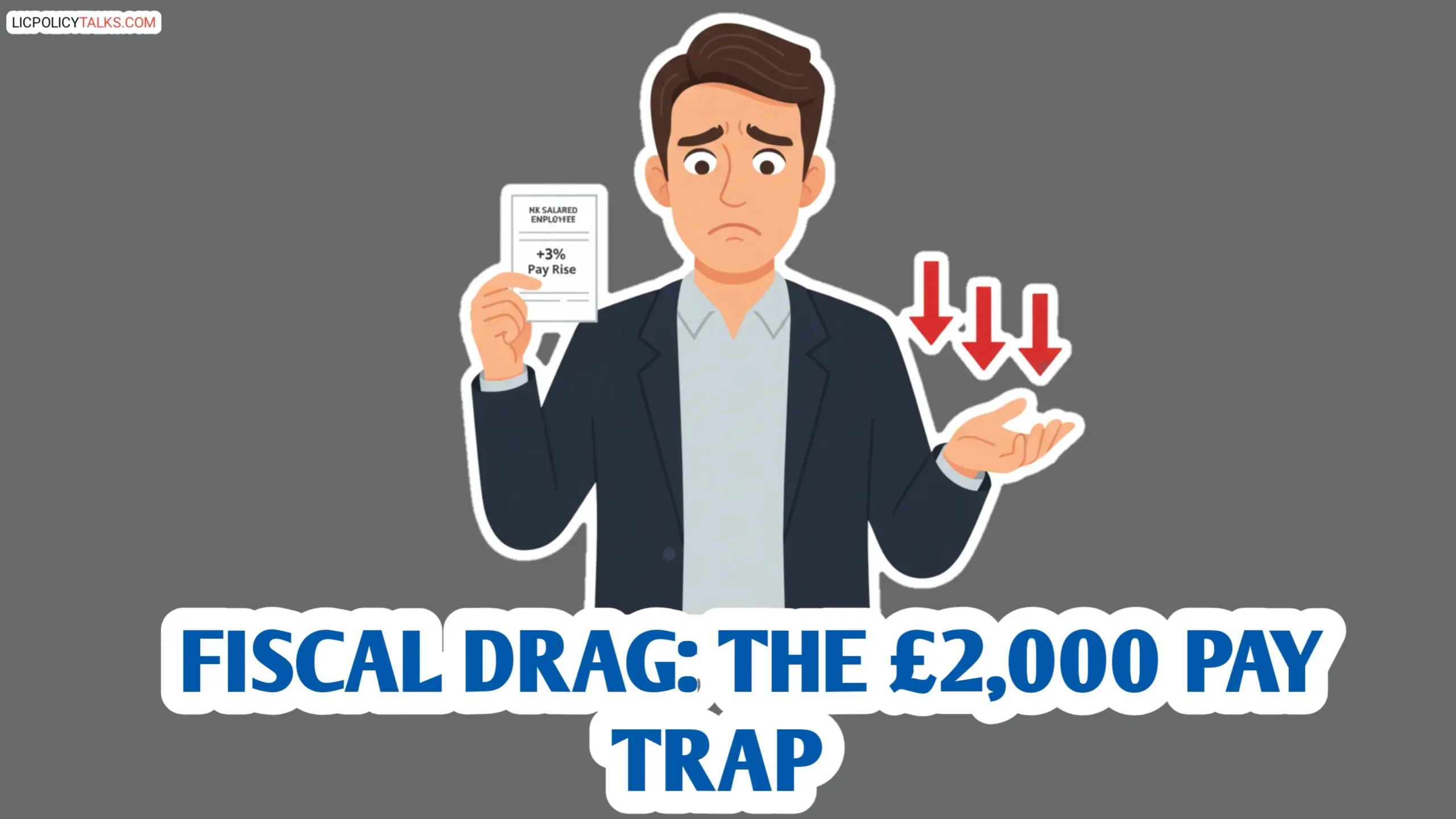
Understand the fiscal drag implications: if your interest pushes you into a higher tax band, you could lose more to tax. Plan ahead to avoid an unexpected HMRC bill.
First Direct Savings Account Reviews – What UK Savers Say
Based on multiple UK consumer feedback sites, First Direct scores highly for customer service (often 4.5 stars), but product value drops after the first year due to the low standard rate. Many users rave about the app and service, but the biggest complaint is the stingy standard rate after 12 months – a classic case of a good product with a bad post-promotion experience.
- Pros: Excellent customer service, easy app, competitive bonus rate initially, FSCS protected.
- Cons: Low standard rate after 12 months, requires a current account, bonus is not guaranteed after the period.
Think of First Direct as a great 12-month fix, not a long-term home for your savings. User sentiment backs this up – happy during year one, frustrated in year two.
🔄 First Direct vs RBS, Chase, and Natwest Savings Accounts
RBS Savings Account – A Stable Alternative?
The rbs savings account offers a Digital Regular Saver with 5% on up to £5,000 for 12 months (if you have a current account). That’s higher than First Direct’s 4.5%, but capped at £5,000. On larger balances, First Direct wins for year one. On £15,000, RBS gives only 5% on the first £5k, then low rates – while First Direct gives 4.5% on the whole amount. RBS is part of the Royal Bank of Scotland Group and FSCS protected, but its app scores lower. The RBS bonus also ends at 12 months – same switching problem.
Chase Savings Account – The Challenger’s Offer
The chase savings account (Chase UK) offers a linked savings account with 4.10% AER ongoing on up to £250,000 – no bonus expiration. Chase gives 4.1% now and forever (until rates change), which beats First Direct after 12 months. But the initial rate is lower – so if you’re diligent about switching, First Direct wins overall. Chase is app-only, no branches, and a subsidiary of JPMorgan Chase, also FSCS protected. For forgetful savers, Chase is better.
Natwest Savings Account – Digital vs Traditional
The natwest savings account offers a Digital Regular Saver (6% on up to £5,000 for 12 months with a current account) and an Instant Saver (variable). 6% is the highest headline rate here, but limited to a regular saver – max £5k total. For a lump sum saver, First Direct is better. Natwest is a giant, but its standard savings rates are notoriously low. You’ll need to be extra vigilant after 12 months.
| Account | Bonus Rate | Standard Rate | Min Deposit | Monthly Limit | FSCS |
|---|---|---|---|---|---|
| First Direct Savings | ~4.50% (12m) | <2% | £1 | None | £85k |
| RBS Digital Regular Saver | 5% (12m, up to £5k) | Variable low | £1 | Max £5k | £85k |
| Chase Savings | 4.10% ongoing | N/A | £1 | None | £85k |
| Natwest Digital Regular Saver | 6% (12m, up to £5k) | Variable low | £1 | Max £5k | £85k |
⚠️ Tax Implications for UK Savers in 2026
How Savings Interest Affects Your Personal Savings Allowance
The Personal Savings Allowance (PSA) for basic rate taxpayers is £1,000 interest tax-free; higher rate £500; additional rate £0. With current high rates, many savers may breach the allowance. For example, £20,000 at 5% yields £1,000 interest – exactly the basic rate PSA threshold. If rates rise or you have more, you pay tax. HMRC collects interest data automatically from banks – you cannot hide, tax is due. Higher rate taxpayers with just £10,000 at 5% exceed their £500 allowance. Many people assume tax only affects the rich – but today’s rates bring it to the average saver.
| Taxpayer Type | PSA 2026/27 |
|---|---|
| Basic rate (20%) | £1,000 |
| Higher rate (40%) | £500 |
| Additional rate (45%) | £0 |
Use the internal guide on UK tax bands changes to understand your position.

Using ISAs to Shield Your Interest from Tax
If your interest exceeds your PSA, move savings to a Cash ISA or Stocks & Shares ISA to protect it from tax. The annual ISA allowance is £20,000 (for 2026/27). First Direct does not offer an ISA itself, so consider alternatives like Moneybox or Plum. If you earn £1,200 interest from First Direct and other accounts, you owe tax on £200. Putting that £10k in an ISA means zero tax – a simple fix. Act before the end of the tax year (April 5, 2027) to use this year’s allowance.
⏳ Decision Time – Should You Open First Direct Savings Account Now?
Who Benefits Most from the 12-Month Bonus?
This account is ideal for disciplined savers who can lock away cash for 12 months, are comfortable with app-only banking, and are willing to switch after the bonus ends. If you are a higher-rate taxpayer and your savings exceed £10,000, an ISA is a better first home for your cash – the bonus is great, but tax can eat a third of it. The account works best for people who enjoy comparing deals. For passive savers, a consistently decent rate (like Chase) is safer.
What to Do with Your Savings After the Bonus Ends?
If you do nothing after 12 months, your effective return drops to maybe 2% – on £10,000, that’s £200 less per year. Follow this action plan:
- Set a calendar reminder for 11 months.
- Compare current best rates at that time.
- Consider switching to another bonus account (e.g., RBS, Natwest) or locking in a fixed-rate bond.
- Evaluate if a Cash ISA is better for tax protection.
- Don’t let the money sit in the standard rate.
Think of it as a rotation: every 12 months, shop around. Most banks offer new customer bonuses. It’s like switching insurance – a bit of admin for decent returns.
FAQs: Frequently Asked Questions
Q: What should the user do?
Q: Who will be affected?
Q: What is the risk?
Q: What is the immediate step?
Q: What should be done in the next 24 hours?
Bottom line: The First Direct savings account offers a solid 4.5% bonus for 12 months – but the real test is what you do after. Set a reminder, compare your options, and don’t let inertia eat your returns. The next 24 hours are critical – if you’re ready to switch, apply now while the rate is available.