
Updated: 29 August 2026, 08:17 AM BST
If HMRC owes you money just now, a quiet rule change made it easier to lose track of that refund. Here is exactly how to find it, claim it, and avoid the tax traps around it.
The first major financial development this morning comes from HMRC: on 28 August 2026, it confirmed a quiet change to P800 tax refunds that could affect thousands of PAYE workers. The tax authority has shifted how overpaid PAYE tax is handled, and the new system will not send every refund automatically. This matters because a genuine hmrc tax refund could be sitting in your HMRC account right now, waiting for you to claim it.
How long an HMRC tax refund takes, how to check status, and what the new P800 approach means for your money are the questions this guide answers. The next few minutes could save you from losing a payout that is rightfully yours.
- HMRC Alert: P800 refunds no longer arrive automatically for multi-year overpayments — check your account now.
- Tax Warning: 181,000 extra people face CGT bills after an 89% revenue jump — are you one of them?
- Savings Opportunity: Top easy-access and fixed rates remain near 5% AER — put any refund to work in the next 24 hours.
HMRC’s August 2026 P800 rule change: why your refund may not come automatically
This is the quiet part that could get expensive if you ignore it.
HMRC confirmed a quiet change to P800 tax refunds on 28 August
HMRC confirmed on 28 August 2026 that it has quietly changed the way P800 tax refunds work from this month.
A P800 is a tax calculation HMRC sends after the tax year to show you paid too much or too little tax through PAYE.
The key change: workers who paid too much tax through PAYE over multiple years can now make a claim for the cash they are owed. That is a genuine hmrc tax refund opportunity — but only if you check.
- What changed: multi-year PAYE overpayments now need a claim.
- Who is affected: workers with multiple jobs, state pensioners, benefit claimants.
- One action to take now: sign in to your HMRC account and look for a P800.
Why ‘over multiple years’ changes how much you could claim
Imagine a worker who held two jobs in 2024, 2025 and 2026. Each year, small overpayments happened because the tax codes did not line up. Each year alone looks unimportant, but combined they become meaningful — possibly hundreds of pounds.
HMRC’s usual time limit for claiming overpaid tax is four years from the end of the tax year, so don’t assume you have forever. If you are asking ‘HMRC tax refund how long do I have?’, the practical answer is: act within that four-year window.
Action: check old P800s or annual tax summaries in the HMRC app. If in doubt, ask HMRC for a breakdown.
↔️ Slide horizontally to see more ↔️
| Overpayment scenario | What to check | Claim route |
|---|---|---|
| Single job | Annual tax summary | P800 or online claim |
| Multiple jobs | Tax codes from each job | Check account, then claim |
| Stopped work | P45 and P60 forms | HMRC repayment claim |
How long does an HMRC tax refund take in 2026?
This is usually the first question people ask, and the answer depends on how you claim.
HMRC tax refund times: online claims vs paper claims
The direct answer to HMRC tax refund how long is: it depends on how you claim. As a typical service expectation, online claims are usually processed faster (often around 5 working days), while postal claims can take several weeks. These are not official guarantees.
Instead of guessing, watch the HMRC tax refund status inside your personal tax account.
Payment method matters too: direct bank transfer is quicker than a cheque, so keep your bank details updated in your HMRC account.
↔️ Slide horizontally to see more ↔️
| Claim route | Typical time | How to check |
|---|---|---|
| Online repayment | Around 5 working days | HMRC personal tax account |
| P800 repayment | Varies; often a few days after calculation | P800 letter or account |
| Postal claim | Several weeks | Contact HMRC |
How to check your HMRC tax refund status and sign in to your account
Complete an HMRC tax refund sign in using your Government Gateway ID or the HMRC app.
Steps: 1) Go to gov.uk and sign in. 2) Open PAYE or Self Assessment. 3) Look for ‘Tax you have paid’ or a P800 calculation. 4) Check for a repayment flag.
An HMRC tax check on your account can reveal both refunds owed and amounts due, so don’t ignore the balance.
If you want an estimate before claiming, use HMRC’s online calculator tools inside your account. Be careful with unofficial HMRC tax refund calculators that ask for bank details.
HMRC tax refund telephone number: use the official number only
If a text gives you an HMRC tax refund telephone number that is not on gov.uk, treat it as a scam. The only safe HMRC tax refund telephone number is the one printed on your official HMRC letter or listed on gov.uk.
Never use an HMRC tax contact number received by email, text, or WhatsApp; fraudsters clone official-looking numbers.
If you receive a suspicious refund message, do not call the number, do not click links, and report it to HMRC using the official phishing reporting page.
- Do use gov.uk to verify any number.
- Don’t trust caller ID alone.
- Do hang up if asked for card details.
Beyond refunds: HMRC’s CGT data shows 181,000 more people now face a tax bill
This is the hidden tax trap no one is talking about.
HMRC data: CGT revenue up 89% and 181,000 new taxpayers pulled in
HMRC’s capital gains tax figures published on 28 August 2026 show revenue jumped 89% compared with 2023-24, and an extra 181,000 more people now have to pay.
If you sold shares, cryptocurrency, a rental property, or other assets above the tax-free allowance, you could be inside this 181,000 group.
This is not an hmrc tax refund story – for many, it is the opposite: a bill that needs to be paid, not cash waiting to be claimed.
↔️ Slide horizontally to see more ↔️
| Data point | Value | Source |
|---|---|---|
| CGT revenue change | +89% vs 2023-24 | HMRC data |
| Extra people paying | 181,000 | HMRC data |
| Publication date | 28 Aug 2026 | Birmingham Live / HMRC |
Do you need to file an HMRC tax return or just check your gains?
The current CGT personal allowance is around £3,000 for most people. Gains above that must be reported.
If HMRC asks you to file an HMRC tax return, treat it as a hard deadline – not a refund form you can ignore.
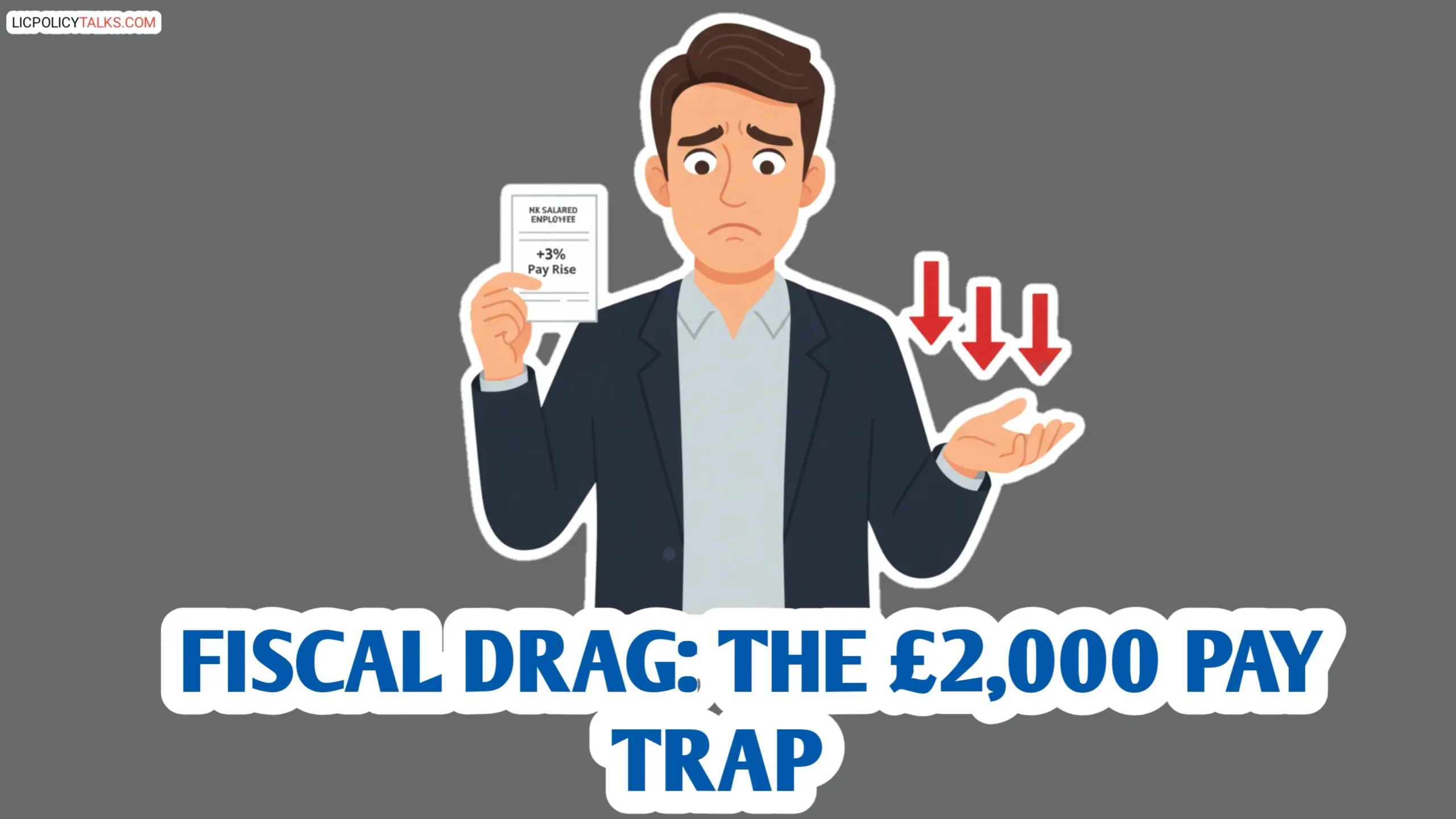
As we explained in our fiscal drag analysis, frozen thresholds pull more people into CGT even when real gains haven’t changed.
↔️ Slide horizontally to see more ↔️
| Your gain | What to do |
|---|---|
| Under £3,000 | Usually no CGT |
| £3,000+ | Check if an exemption applies |
| Property sale | File or use HMRC’s real-time CGT service |
| Crypto and shares | Check if you need to file an hmrc tax return |
Got a refund? Put it to work: top savings rates still around 5% AER
Top easy-access and fixed savings rates are still around 5% AER
If your hmrc tax refund lands this week, the latest Moneyfacts weekly roundup shows top easy-access and fixed savings rates remain in the region of 5% AER.
Simple math: a £1,000 refund at 5% AER earns about £50 in a year before tax; left in a current account it usually earns nothing.
If your refund arrives, don’t leave it in a zero-interest account. Compare the best rates before choosing.
↔️ Slide horizontally to see more ↔️
| Refund amount | 1-year gain at 5% AER |
|---|---|
| £500 | £25 |
| £1,000 | £50 |
| £2,000 | £100 |
Careful: savings interest can eat into your tax-free allowances
You put a £2,000 refund into savings at 5% AER. That generates £100 interest – which may be taxable if your Personal Savings Allowance is already used.
Basic-rate taxpayers get a £1,000 Personal Savings Allowance, higher-rate taxpayers get £500, and additional-rate taxpayers get £0. Interest above this can trigger tax.
Putting your refund inside an ISA protects the interest from tax. We covered this in our UK tax bands and ISA savings guide.

When you do an HMRC tax check, remember savings interest may already be part of the picture.
↔️ Slide horizontally to see more ↔️
| Tax band | Personal Savings Allowance |
|---|---|
| Basic rate | £1,000 |
| Higher rate | £500 |
| Additional rate | £0 |
24-hour action plan: what UK taxpayers should do right now
Delay costs money. Here is what to do in the next 24 hours.
Your HMRC tax refund and tax-check checklist (do this today)
- Sign in to your HMRC account and do an HMRC tax check.
- Look for a P800 or a ‘repayment’ flag in PAYE.
- Use the official claim tax refund online service to speed up the process.
- Update your bank details in HMRC so refunds go straight to your account.
- Check the last four tax years for missed overpayments.
- If you have capital gains above £3,000, check whether you need to file an hmrc tax return.
- Move any refund into a 5% savings account or ISA to make it work for you.
FAQs: Everything UK taxpayers ask about HMRC tax refunds
Common HMRC tax refund questions, answered
FAQs: Frequently Asked Questions
Q: How long does an HMRC tax refund take?
Q: How do I check my HMRC tax refund status?
Q: How do I sign in for an HMRC tax refund?
Q: What is the HMRC tax refund telephone number?
Q: Do I need an HMRC tax return to claim a refund?
Bottom line: The next 24 hours are critical. If you have changed jobs, held more than one job, sold assets, or saved money, check your HMRC account now. A quick sign-in could hand you cash that would otherwise sit with HMRC — or stop a CGT problem from growing. What looks small today can become a significant loss in six months. Don’t assume automatic. Act now.