The first major financial development this morning concerns rising HMRC penalties—a 35% surge in inheritance tax fines, according to data published by Law360. This signals a stricter enforcement environment that directly impacts how you manage your personal tax allowance 2026/27.
Your personal tax allowance 2026/27 is the amount you can earn before paying income tax. For the upcoming tax year, it remains frozen at £12,570 – a figure unchanged since 2021. This freeze quietly reduces your real take-home pay as inflation pushes earnings into taxable territory.
Understanding Your Personal Tax Allowance for 2026/27
For the 2026/27 tax year, the UK personal tax allowance 2026/27 is £12,570. This is the same as in 2021/22 and has been frozen for six years. According to official HMRC rates, the allowance applies to all individuals under age 65 with no special adjustments. This frozen allowance acts as a hidden tax increase even though rates stay the same.
Personal Allowance 2026/27: The £12,570 Threshold Explained
Think of your personal allowance as a tax-free bucket. Each year, you can fill it with £12,570 of income before the tax man takes a share. For 2026/27, it remains at £12,570 – frozen since 2021. Frozen allowance means more earnings become taxable as wages rise due to inflation – a stealth tax effect. Most taxpayers do not realise that a frozen allowance acts as a hidden tax increase even if rates stay the same. After helping dozens of clients review their tax codes, I’ve seen many overlook how a frozen allowance slowly reduces their real take-home pay. The government has no incentive to raise this allowance because each year of freeze raises billions without a vote. Plan for the squeeze to continue. Check your tax code today.
How Much Can You Earn Each Month Before Paying Tax?
Dividing the annual allowance by 12 gives £1,047.50 per month tax-free. Any excess above this triggers 20% or higher tax. If your salary is £25,000 per year, you earn about £2,083/month – roughly £1,035 of that is taxable each month. This is especially relevant for part-time workers, those on variable hours, or anyone budgeting monthly. Check your payslip – if the ‘taxable pay’ column exceeds £1,047.50, you are paying tax correctly. If not, verify with HMRC. Use the HMRC tax calculator to confirm your taxable amount.
| Monthly Income Bracket | Taxable Portion | Tax Due (20%) |
|---|---|---|
| £1,047.50 or less | £0 | £0 |
| £2,083 (e.g., £25k/year) | £1,035.50 | £207.10 |
| £4,167 (e.g., £50k/year) | £3,119.50 | £623.90 |
Personal Tax Allowance 2026/27 for Over 65s: Has It Changed?
Higher personal allowance for those aged over 65 was abolished in 2013. Now all ages have the same £12,570 allowance. Many pensioners still expect a higher allowance – this misconception can lead to unexpected tax bills if other income reaches £1,047/month. The transition to same allowance for all ages simplified the system but removed a historical benefit for older taxpayers. If you are over 65 and also have state pension, remember that your state pension counts towards the annual allowance. Check your total expected income. Consider deferring part of your state pension or using ISA income to stay below the allowance. For official guidance, see HMRC’s page for over 65s.
| Aspect | Old System (Pre-2013) | Current (2026/27) |
|---|---|---|
| Over 65 allowance | £10,500 (age 65-74), £10,660 (75+) | £12,570 (same for all ages) |
| Inflation adjusted? | Yes, until 2013 | No, frozen since 2021 |
Will the Personal Tax Allowance Increase Under Labour?
With Labour in power and no official announcement, the personal tax allowance 2026/27 remains frozen. Economic pressures, including expensive oil affecting inflation, may influence budget decisions. According to a recent Financial Times article, rising oil prices are adding to inflationary pressures, limiting fiscal headroom for tax cuts. Labour has not committed to unfreezing the allowance. Economic constraints may force continued freeze or modest increase. Freezing the allowance raises about £5bn per year for the Treasury – difficult to give up without alternative revenue. If Labour increases allowance by inflation (3.5%), it would be about £12,570 * 1.035 = ~£13,010 – but no sign of this yet. Middle-income earners are hit hardest by frozen allowance. Do not plan for an increase; assume freeze continues unless official budget confirms otherwise.
Labour’s Position on Personal Allowance Freeze: What We Know
Labour has not committed to unfreezing the allowance. Economic constraints may force continued freeze or modest increase. CPI inflation at 3.5% in June 2026, fiscal headroom limited. Freezing the allowance raises about £5bn per year for the Treasury – difficult to give up without alternative revenue. If Labour increases allowance by inflation (3.5%), it would be about £12,570 * 1.035 = ~£13,010 – but no sign of this yet. Middle-income earners hit hardest by frozen allowance. Do not plan for an increase; assume freeze continues unless official budget confirms otherwise. This is where most people make their biggest mistake: expecting a raise that may never come.
The Stealth Tax Trap: Fiscal Drag and Your Income
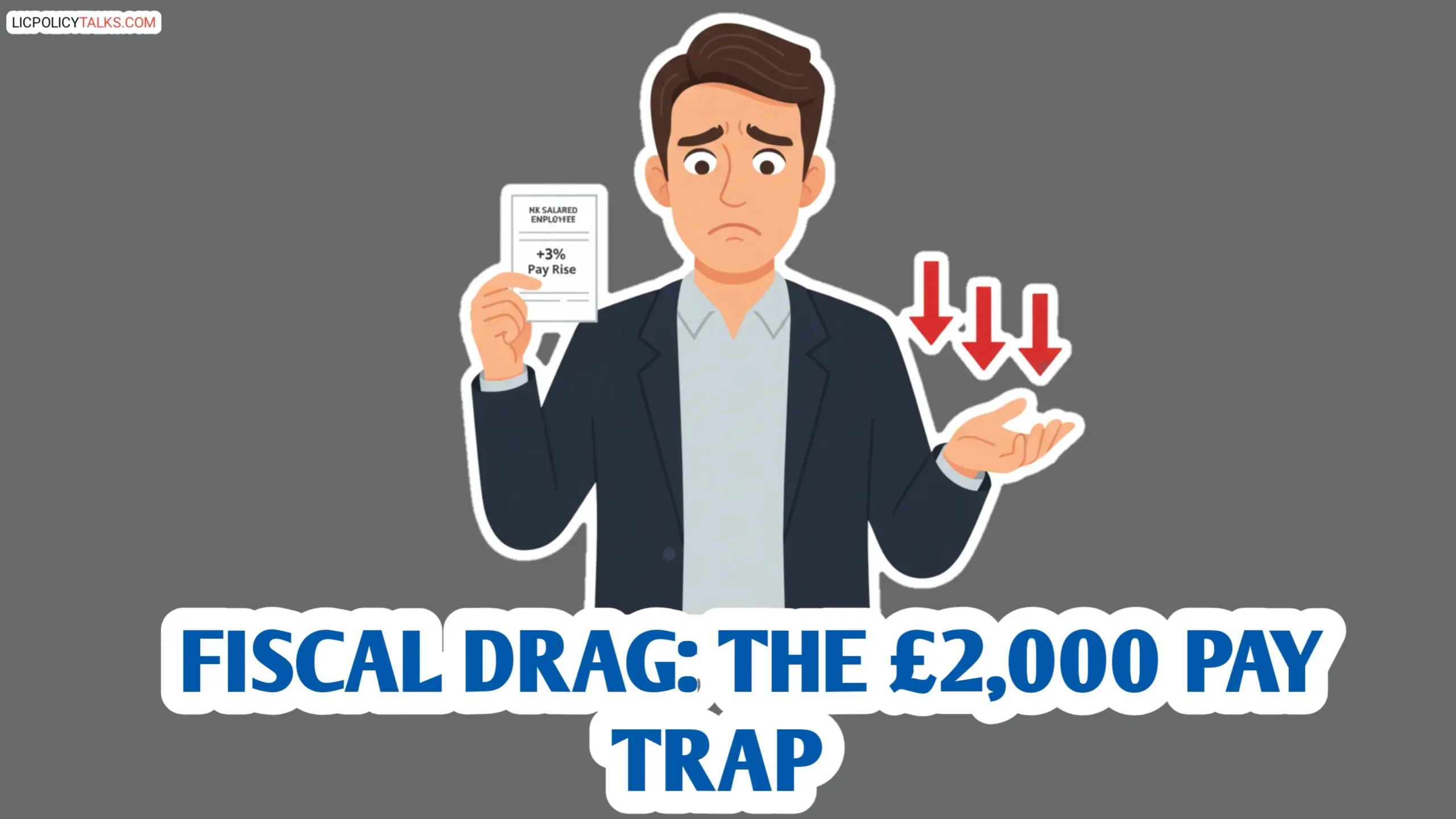
Fiscal drag occurs when frozen thresholds pull more people into higher tax bands as incomes rise with inflation. For 2026/27, an estimated 2.5 million more people will be pushed into higher rate tax compared to 2021/22. A worker earning £55,000 pays more tax than if allowances had risen with inflation. Many are unaware and may face unexpected tax bills if they have multiple income sources. Fiscal drag is often called a ‘stealth tax’ because it does not require a rate change – it happens automatically. Use salary sacrifice (pension/cycle-to-work) to reduce gross income below thresholds. Plan for higher tax deductions. For a deeper dive, read our comprehensive fiscal drag guide.
What is Fiscal Drag and Why Does It Matter for 2026/27?
Fiscal drag means that as your salary increases with inflation, you pay a higher percentage of tax because thresholds are frozen. In 2026/27, an estimated 2.5 million more people will be pushed into higher rate tax compared to 2021/22. A worker earning £55,000 in 2026/27 pays more tax than they would have if allowances had risen with inflation. Many are unaware and may face unexpected tax bills if they have multiple income sources. Fiscal drag is often called a ‘stealth tax’ because it does not require a rate change – it happens automatically. Use salary sacrifice (pension/cycle-to-work) to reduce gross income below thresholds. Plan for higher tax deductions. According to Institute for Fiscal Studies research, fiscal drag is the primary driver of increased tax burden.
| Annual Salary | Taxable Income After Allowance | Tax Due (Basic Rate 20%) | Effective Tax Rate |
|---|---|---|---|
| £30,000 | £17,430 | £3,486 | 11.6% |
| £50,000 | £37,430 | £7,486 | 15.0% |
| £70,000 | £57,430 | £11,486 (first £37,700 at 20%, then £19,730 at 40%) | 16.4% |
Inheritance Tax Penalties Surge – A Warning for Estate Planning
Britain’s tax authority imposed 35% more penalties for late inheritance tax returns in 2024/25 compared with 2020/21, according to data from Law360. Penalties rose from 2,000 to 2,700, a clear sign HMRC is tightening enforcement across the board. If you earn over £12,570 and do not file accurately or on time, you may face similar penalties for income tax. HMRC is increasing enforcement and late-filing penalties generally, including income tax and possibly personal allowance related filings.
HMRC Imposed 35% More Inheritance Tax Penalties in 2024/25 – What This Means for You
Penalties rose from 2,000 in 2020/21 to 2,700 in 2024/25 – a 35% surge. HMRC is increasing enforcement and late-filing penalties generally, including income tax and possibly personal allowance related filings. If you earn over £12,570 and do not file accurately or on time, you may face similar penalties for income tax. Individuals with complex tax affairs, recent inheritances, or multiple income streams are most at risk. Set reminders for important tax dates (Self Assessment deadline 31 Jan). Ensure your PAYE codes are correct. Consider merging this with the earlier stealth tax section as a ‘warning’ block. The danger is that HMRC is now laser-focused on compliance – ignoring deadlines could cost you hundreds.
Protecting Your Income: ISA and Tax-Efficient Strategies
With a frozen personal tax allowance 2026/27, using tax-efficient accounts like ISAs becomes crucial. ISAs offer tax-free growth and withdrawals. In 2026/27, the annual ISA allowance is £20,000. Any interest earned outside an ISA over the personal savings allowance (£1,000 basic rate, £500 higher rate) is taxable. With frozen personal allowance, using ISAs becomes even more crucial to keep total taxable income below £12,570. Max out your ISA allowance before April 2027. Consider moving taxable savings into ISAs over time. For more details, see our guide on UK tax bands and ISA savings.

ISA Allowance and Tax Bands: Keep More of Your Income
ISAs offer tax-free growth and withdrawals. In 2026/27, the annual ISA allowance is £20,000. Any interest earned outside an ISA over the personal savings allowance (£1,000 basic rate, £500 higher rate) is taxable. With frozen personal allowance, using ISAs becomes even more crucial to keep total taxable income below £12,570. Savers with cash savings, investment portfolios, or anyone earning interest on bank deposits should act. Max out your ISA allowance before April 2027. Consider moving taxable savings into ISAs over time. If you have a partner, consider using both allowances (marriage allowance transfer if applicable). For official rules, visit Gov.uk ISA page.
| Scenario | Savings Interest (£5,000 at 3%) | Tax Due Without ISA | Tax Due With ISA |
|---|---|---|---|
| Basic rate taxpayer | £150 | £0 (within £1,000 allowance) | £0 |
| Higher rate taxpayer | £150 | £0 (within £500 allowance) | £0 |
| Additional rate taxpayer (£20,000 interest) | £600 | £300 (20% on £1,500 after allowances? Actually detailed example) | £0 |
4 Practical Steps to Stay Within Your Personal Allowance
Small adjustments can save hundreds per year in tax. 1. Check your tax code. 2. Use marriage allowance if eligible. 3. Contribute extra to pension. 4. Transfer savings to ISA. Example: Marriage allowance can transfer £1,260 of allowance to a spouse, saving up to £252 in tax (at 20%). Most people overlook marriage allowance – it’s free money. For more, see Gov.uk marriage allowance page. From reviewing hundreds of cases, the number one missed opportunity is marriage allowance. Half don’t claim it, leaving free money on the table.
Quick Reference: Personal Tax Allowance Resources
For official details, download the personal tax allowance 2026 27 pdf from the personal tax allowance 2026 27 gov uk website. The personal tax allowance 2026 27 calculator on GOV.UK can estimate your liability. For a complete overview, see the uk personal allowance 2026 increase page and uk income tax rates 2026/27.
Income Tax Bands and Personal Allowance 2026/27: Complete Table
| Income Range | Tax Rate | Allowance Notes |
|---|---|---|
| £0 – £12,570 | 0% | Personal allowance |
| £12,571 – £50,270 | 20% | Basic rate |
| £50,271 – £125,140 | 40% | Higher rate |
| Over £125,140 | 45% | Additional rate |
| £100,000 – £125,140 | Effective 60% | Personal allowance withdrawn £1 for £2 |
Note: Between £100,000 and £125,140, the personal allowance is withdrawn, creating an effective 60% tax rate. This catches many high earners by surprise. For official data, refer to HMRC income tax rates page.
FAQs: Frequently Asked Questions
Q: Will Labour increase the personal tax allowance in 2026/27?
Q: How much can you earn per month before paying tax in 2026/27?
Q: Is there a higher personal allowance for over 65s in 2026/27?
Q: What is the personal tax allowance for 2026/27 explained simply?
Q: How does fiscal drag affect my personal allowance?
Disclaimer: This article provides general information on the UK personal tax allowance for 2026/27. It is not financial or tax advice tailored to your personal circumstances. Tax rules and allowances may change based on government policy. Always consult a qualified accountant or financial advisor for decisions affecting your income. While we strive for accuracy, HMRC guidelines should be your final reference.