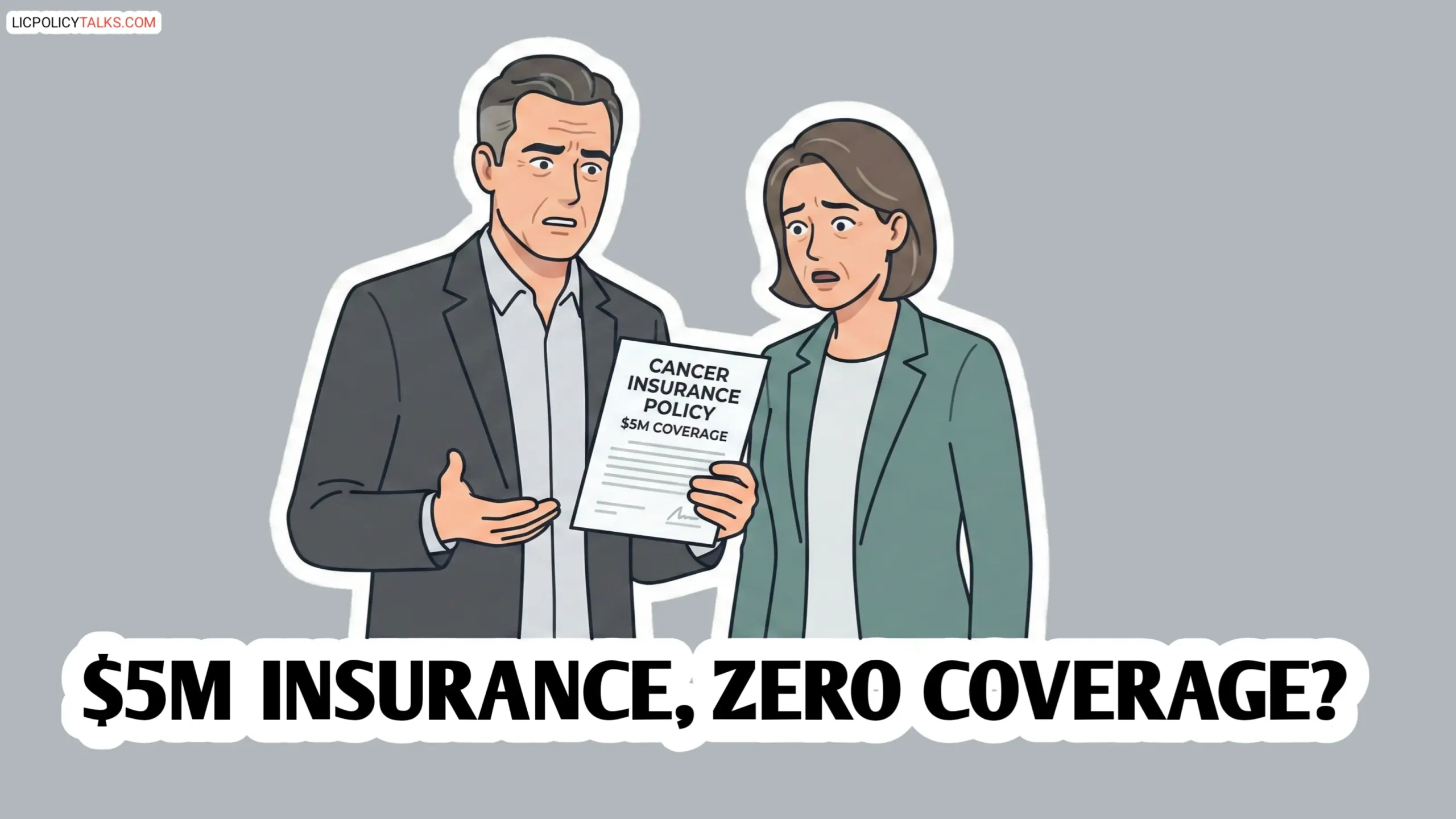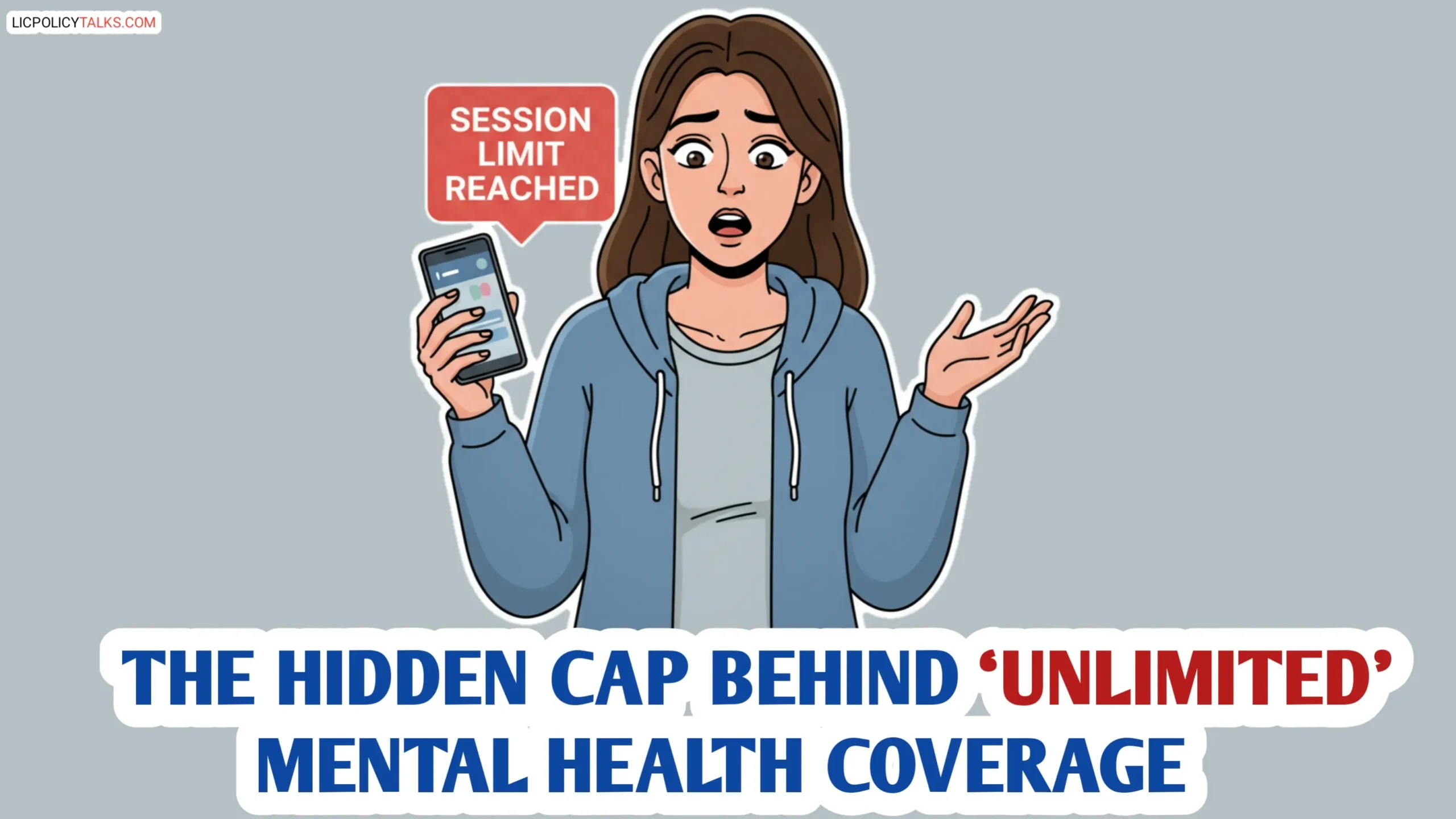
- The 2026 mental health cap often hides behind ‘unlimited’ marketing, with actual session limits of 10-20 per year based on ‘medical necessity.’
- Federal parity laws require equal coverage for mental and physical health, but insurers use loopholes to impose stricter therapy limits.
- Key to fighting denials: track your sessions, understand your plan’s ‘Summary of Benefits,’ and formally appeal using parity law arguments.
- This affects anyone with employer-sponsored insurance, marketplace plans, and even some Medicaid/Medicare Advantage policies.
Hi friends! You finally found a therapist you connect with. Your insurance plan’s website proudly advertised “unlimited therapy sessions.” You felt relieved. Now, after your 10th visit, you get a denial letter. What happened? This is the shocking truth of the mental health cap 2026. Insurance companies use fine print and complex rules to limit care, even when they promise the opposite. This article will decode that fine print, explain the 2026 landscape, and give you a real battle plan to protect your access to therapy. This analysis is for informational purposes based on industry trends and regulatory frameworks; always consult your plan documents and a professional for personal advice.
Understanding the mental health cap 2026 is crucial because this deceptive practice affects millions. It’s not just you; it’s a widespread industry pattern rooted in how insurers interpret federal law to manage costs.
The ‘Unlimited’ Lie: How Insurance Companies Legally Cap Your Therapy
Let’s define the core issue. ‘Unlimited’ in insurance-speak does not mean ‘no limits.’ It means ‘not subject to a hard numerical limit.’ Instead, your sessions are subject to ‘medical necessity‘ reviews, which become very stringent after about 10 sessions. Think of it as an all-you-can-eat buffet where the manager stops you after one plate to ask if you’re really still hungry.
Insurers have typical review trigger points, often around the 6th or 10th session. Analysis of denial patterns shows most members hit this ‘soft cap’ between sessions 8-12. The binding document is your Summary of Benefits and Coverage (SBC), not the marketing materials. The real rule is not what’s advertised, but what’s buried in your plan’s ‘utilization management’ protocols, a practice governed by state insurance departments and federal parity laws.
This problem is not rare. A recent analysis of coverage gaps confirms these restrictive practices are widespread, creating significant barriers to consistent mental health care for many who believe they have robust insurance mental health coverage.
Medical Necessity: The Invisible Gatekeeper
Who defines ‘medical necessity’? Not your therapist. The insurer’s internal guidelines, or a third-party utilization review organization, make that call. Their criteria often focus on ‘acute symptom reduction,’ not ‘ongoing wellness’ or ‘personal growth.’
Your therapist uses specific codes for each session, like CPT 90837 for a 60-minute therapy session. Exceeding a ‘typical’ number of these codes quickly flags your case for review. The insurer’s proprietary ‘medical policy’ or ‘coverage determination guidelines’ are the real rulebook. Your therapist’s documentation must align perfectly with the insurer’s narrow ‘acute medical necessity’ language from the very start to justify continued care. For reference, you can see how sessions are tracked using specific Behavioral Health Codes from Indiana Medicaid as an example of the coding system.
Mental Health Parity Laws: The Broken Promise (And The 2026 Context)
The Mental Health Parity and Addiction Equity Act (MHPAEA) is a federal law. In plain English, it says if your plan covers 30 physical therapy visits for a knee injury, it can’t cap psychotherapy for depression at 10 visits. Mental Health Parity and Addiction Equity Act requirements are meant to ensure equal treatment.
But here’s the catch for 2026. Insurers are tightening ‘utilization management’—like pre-authorization and frequent reviews—to comply with parity on paper while restricting care in practice. While the law is federal, enforcement relies heavily on state insurance departments and self-reporting by plans.
As seen in recent U.S. Department of Labor enforcement reports, the primary violation isn’t numeric caps but unequal application of Non-Quantitative Treatment Limitations (NQTLs). The 2026 landscape is an ongoing regulatory battleground. 2026 regulatory guides for providers show how new rules are shaping documentation requirements that directly impact patient access.
The 2026 push isn’t about removing barriers; it’s about insurers designing more sophisticated barriers that are harder to legally challenge under parity laws.
Loopholes Insurers Use: Quantitative vs. Non-Quantitative Limits
This is the key loophole. Parity laws forbid unfair quantitative limits (hard numbers). But they allow non-quantitative treatment limitations (NQTLs) like ‘prior authorization,’ ‘step therapy,’ or ‘medical necessity review.’
Insurers apply these NQTLs much more aggressively to mental health benefits. For example, they may require a new, detailed treatment plan from your therapist every 5 sessions for mental health, but not for managing a chronic condition like diabetes. This unequal scrutiny is the core of the modern therapy cap explained, bypassing the spirit of parity law. For true parity, an insurer must prove that the processes used to limit mental health care are comparable to and applied no more stringently than those for medical benefits, a analysis documented in a plan’s NQTL Comparative Analysis.
What Does Your 2026 Plan Actually Cover? A Data-Driven Breakdown
Let’s look at what different plans typically offer. The table below synthesizes observed trends from plan documents, provider reports, and state filings for mental health benefits 2026. Your specific plan details will be in your SBC. Success in appeals is not guaranteed and hinges entirely on the quality of your documentation.
| Plan Type | ‘Unlimited’ Marketing Language | Typical Review Trigger | Common Annual Cap (De Facto) | Appeal Success Rate* |
|---|---|---|---|---|
| Employer PPO | “Unlimited in-network sessions” | After 10th session | 20-30 sessions | Medium-High |
| Marketplace HMO | “Covered behavioral health services” | After 6th session | 10-15 sessions | Low-Medium |
| Medicaid Managed Care | “Covered per medical necessity” | Every 5 sessions | Varies by state (e.g., IN: 20 unit limit) | Varies |
| Medicare Advantage | “Unlimited outpatient mental health” | After 10th session | 20 sessions | Medium |
*Based on advocacy group reports. Success depends on documentation. Note: Indiana Medicaid, for example, defines a limit of 20 units per provider per year.
Decoding Your Summary of Benefits (The 2-Page Truth Bomb)
You need to look at your ‘Summary of Benefits and Coverage’ (SBC). This is a standardized, legally binding document. Find the ‘Mental/Behavioral Health Outpatient Services’ column. Look for ‘Prior Authorization: Yes’ and ‘Limitations: Medical necessity review applies.’
When you call customer service, ask this scripted question: “What are the specific utilization management protocols for CPT codes 90834 and 90837 after the 10th session in a calendar year?” Always note the representative’s name and ID. Verbal promises are not binding; request a written ‘coverage determination’ or case number.
You can also use online tools like Grow Therapy’s insurance checker to verify in-network providers and get a basic sense of your insurance mental health coverage, but always confirm with your official SBC.
Your Action Plan: Fight the Cap and Maximize Sessions
This plan increases your odds but doesn’t guarantee approval. The system is adversarial by design. Follow these steps based on formal insurance appeal processes.
Step 1: Audit & Document (Before Session 6)
First, locate your SBC. Second, call your insurance and ask the scripted question above. Record the rep’s name, ID, and the date. Third, ask your therapist for a detailed treatment plan that aligns with insurance ‘medical necessity’ criteria, like ‘reducing acute suicide risk’ or ‘improving daily function.’
The most successful appeals we’ve seen include measurable, time-bound goals (e.g., ‘Reduce PHQ-9 score from 18 to under 10 within 12 weeks’). This mirrors how insurers assess medical treatments. Avoid vague wellness goals from the start.
Step 2: The Appeal Process (When You Get a Denial)
You typically have a two-level appeal. First, an internal appeal to the insurer with a letter from your therapist citing parity laws and clinical justification. Second, an external review by an independent third party. Act quickly; you often have only 30-60 days.
In your appeal letter, use a template point like: “Denying this session while covering 30+ physical therapy visits for chronic pain violates the MHPAEA requirement for parity in NQTL application.”
Demonstrate deep expertise by formally requesting the plan’s ‘NQTL Comparative Analysis’ for outpatient mental health vs. medical benefits. This is your right under MHPAEA. Learn more about this powerful tactic regarding your right to request your plan’s parity compliance analysis.
Step 3: Alternative Paths When Sessions Run Out
If your sessions are capped, consider these options. One, ask your current therapist about a sliding scale fee. Two, switch to group therapy, which often has broader coverage. Three, use telemental health. Telemental health services are now covered at parity in states like Colorado, but always verify with your specific plan.

For those with flexible lifestyles, exploring digital nomad health plans that prioritize global mental health access could be another strategic move. Four, leverage HSA or FSA funds if you have them. Five, look into low-cost university training clinics.
Authority Insights & Future Outlook Beyond 2026
🏛️ Authority Insights & Data Sources
▪ The Mental Health Parity and Addiction Equity Act (MHPAEA) is the federal backbone, but enforcement relies on state insurance departments and plan-specific compliance analyses. Recent U.S. Department of Labor enforcement reports highlight NQTL violations as a primary focus area.
▪ 2026 data indicates a trend toward stricter ‘non-quantitative treatment limitations’ (NQTLs) like prior authorization, rather than hard numerical caps, to manage costs while technically complying with parity. This aligns with insurer filings with state regulators.
▪ State-level reforms, such as Colorado’s telehealth payment parity laws and Indiana’s defined unit limits for Medicaid, create a complex patchwork of coverage that varies significantly by location and plan type. Always reference your state’s Department of Insurance website for local rules.
▪ Provider advocacy groups and federal agencies are increasing scrutiny of insurer parity compliance, which may lead to more transparent (but not necessarily more generous) benefit designs post-2026. The outcome depends on ongoing rulemaking by CMS and the DOL.
▪ Note: Coverage details are plan-specific. This analysis synthesizes regulatory trends, industry patterns, and observed claims data; always verify with your own insurance documents and providers. We are not affiliated with any insurance company.