- NYSE’s 24/7 platform targets late 2026 launch, pending SEC approval, and will use blockchain for instant settlement.
- This isn’t just extended hours; it’s a structural shift to global, tokenized trading that preserves shareholder rights.
- Active traders must upgrade tech, revise risk rules, and master new liquidity patterns to avoid losses.
- Long-term investors can ignore the noise but must understand how ETFs and mutual funds will change.
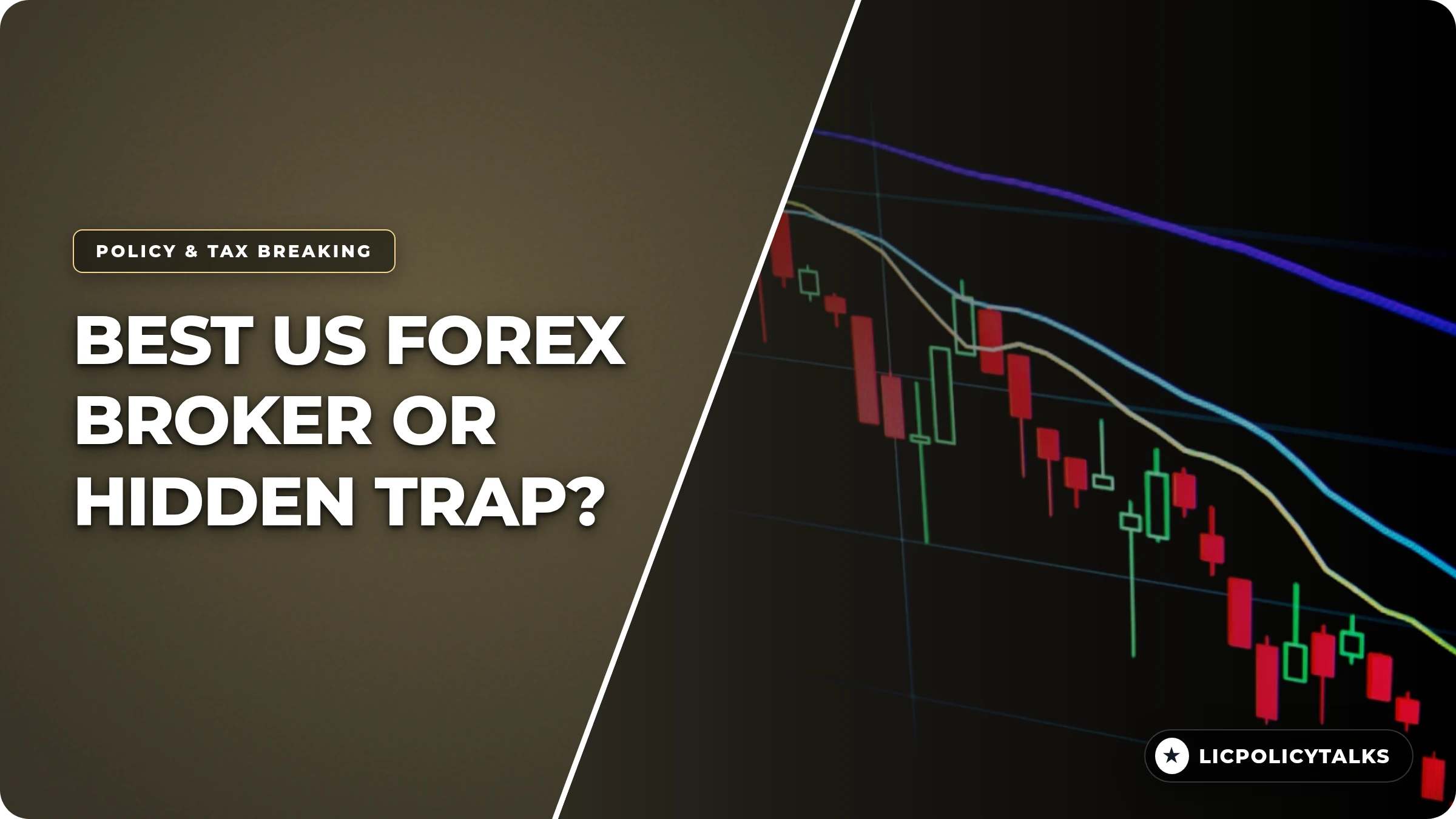
Hi friends! Urgency alert. The closing bell is becoming a relic. The familiar rhythm of the stock market is set for its biggest change in a century. This isn’t just about a few extra hours; it’s a complete rewiring of market infrastructure driven by blockchain technology.
The NYSE’s 24/7 digital trading platform, built in collaboration with Securitize, targets a late 2026 launch pending regulatory approvals, according to a recent announcement. This shift is part of the SEC’s broader “innovation exemption” framework, a monumental effort to bring traditional finance onto digital rails. For everyday investors and active traders, this change brings both opportunity and new risks that require preparation today.
The coming of NYSE 24/7 trading means the market never sleeps, and neither can your preparedness. Your current strategies and tools were built for a 9-to-5 world. To navigate this new reality without getting burned, you need a clear survival guide. This analysis, based on official announcements and regulatory trends, outlines the 7 critical steps to adapt. Remember, individual circumstances vary, and this is not financial advice.
Step 1: Understand What NYSE 24/7 Trading Means for Your Portfolio
The End of the Closing Bell: From Extended Hours to True Global Access
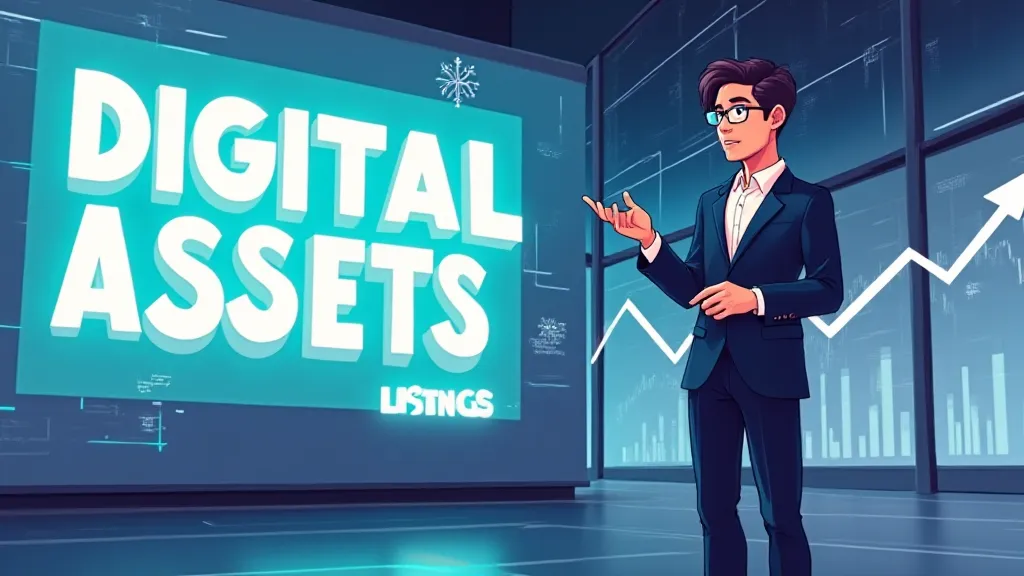
First, let’s clear up a common confusion. This is not simply expanding the current pre-market or after-hours sessions. Today, most brokers offer limited NYSE extended hours, but participation is thin and optional. The NYSE and Nasdaq moves aim to create a universal, always-on infrastructure. This shift is a core part of the broader $126 trillion movement to tokenize real-world assets, converting stocks into digital tokens on a blockchain.
This transition to true global access means limit orders will remain the primary tool for precision; basic market orders may not be available in the 24/7 environment initially due to the risks of thin overnight liquidity. Observational data from FINRA reports on current after-hours trading volumes shows how fragile liquidity can be outside core hours, a factor that will be magnified in a continuous market.
How 24/7 Stock Market Volatility Will Differ from Current After-Hours Trading
The market volatility you experience in a true 24/7 cycle will be fundamentally different. Current after-hours trading is characterized by thin order books—few buyers and sellers—which can lead to wild price swings on minimal volume. In a global, session-less market, news from Asia or Europe can immediately impact US-listed stocks at any hour, creating a new kind of continuous, “session-less” volatility.
Analysts warn that off-peak hours often see wider bid-ask spreads and higher execution risk due to lower liquidity, as noted by trading educators. This has direct implications for your bottom line. Wider spreads mean higher costs to enter and exit trades. It also complicates tax reporting, as the IRS requires tracking capital gains for each trade, regardless of the hour—consulting a tax professional on the complexities of round-the-clock trading is a wise move.
🏛️ Authority Insights & Data Sources
▪ The NYSE’s 24/7 Digital Trading Platform is being built with Securitize, targeting a late 2026 launch subject to SEC and FINRA approval.
▪ This shift is part of a broader “innovation exemption” framework discussed by the SEC, aiming to tokenize Real-World Assets (RWAs) on blockchain rails.
▪ Market infrastructure firms like Nasdaq and NYSE Arca have already received approvals to extend trading hours, signaling a coordinated move.
▪ The World Federation of Exchanges (WFE) has highlighted that a 24/7 model requires careful coordination among regulators and participants.
▪ Note: The analysis is based on official announcements, regulatory hearings, and market infrastructure reports. Timing and features remain subject to change.
Step 2: Audit and Fortify Your Trading Technology & Security Immediately
Non-Negotiable Tech Upgrades for Reliable 24/7 Market Access
Your ability to react in a 24/7 market depends entirely on your technology’s reliability. Common points of failure observed in broker outage reports include internet service provider (ISP) downtime and power outages. Your first checks should be for ISP redundancy (like a mobile hotspot backup) and an uninterruptible power supply (UPS) for your router and computer.
Next, verify your broker platform’s 24/7 reliability and mobile app functionality. Stress that weekend and overnight system maintenance windows from brokers will need to be carefully accounted for in your trading plans. FINRA cybersecurity guidelines and SEC rules on broker-dealer technology standards mandate certain uptimes, but preparation on your end is non-negotiable for seamless market access.
Protecting Your Account: Enhanced Security Protocols for Round-the-Clock Risk
A market that never closes means your account is exposed to potential threats 24/7. The shift to digital asset infrastructure increases the attack surface for hacking and sim-swapping attempts. Your security protocol must be upgraded in line with SEC Regulation S-ID for identity theft prevention. Mandate two-factor authentication (2FA) using an authenticator app, not SMS, and consider a hardware security key for the highest level of protection.
Use unique, complex passwords for your brokerage and email accounts, and enable alerts for all logins and withdrawal attempts. Remember, security measures may vary by broker; always verify the specific protocols with your provider. This move towards digital infrastructure isn’t happening in a vacuum; regional exchanges are already laying the groundwork.
Step 3: Revise Your Core Investment Plan and Risk Management Rules
Setting “Market Hours” for Yourself: The Critical Role of Time-Based Rules
The most important defense against the 24/7 market is your own discipline. Financial advisors suggest that if you haven’t felt the need to trade in extended hours until now, the NYSE’s move isn’t a reason to start, as Kiplinger advises. Behavioral finance studies consistently show a link between constant screen time and trader burnout, leading to poorer decisions. Your first action should be to create a personal trading schedule, blocking out times for sleep, family, and deep analysis.
This structured approach to investment planning is your firewall against impulsive trading. The IRS has specific guidelines on deductible trading expenses for active traders, which hinge on maintaining a business-like approach—random, round-the-clock activity may not qualify. SEC investor alerts have long warned of the risks of overtrading, a danger that multiplies in a never-closing market.
Adjusting Position Sizing and Stop-Losses for Uninterrupted Volatility
Your current risk management rules need a review. In periods of thin overnight liquidity, the wider bid-ask spreads can easily trigger standard stop-loss orders in a phenomenon known as “stop-loss hunting.” This is where a price briefly dips to sweep up resting orders before reversing. To combat this, consider using wider stop distances or, more effectively, switching to stop-limit orders which specify both a trigger price and a limit price.
Caution against holding oversized positions through known low-liquidity periods. FINRA Rule 4210 governs margin requirements, and brokers may adjust these for volatile overnight periods, potentially triggering margin calls at inconvenient times. These strategies involve risk; past performance doesn’t guarantee future results. Proper position sizing for the new volatility landscape is not optional; it’s essential for capital preservation.
Step 4: Master the New Psychology of 24/7 Market Exposure
Avoiding Burnout: Why You Must Detach from the Constant Screen
The mental toll of a never-closing P&L screen is a real and under-discussed risk. Data from financial therapist reports highlights a direct correlation between constant market monitoring and increased stress, anxiety, and ultimately, decision fatigue. The temptation to check quotes, news, and portfolio values at all hours can lead to reactive, emotion-driven trading, which is rarely profitable.
To protect your mental capital, institute scheduled check-ins—perhaps once in the evening and once in the morning—rather than continuous monitoring. Turn off non-essential price alerts. Cultivate a non-trading hobby to create necessary mental separation. The SEC provides resources on investor psychology that underscore the importance of emotional discipline, a skill that becomes paramount in a 24/7 environment.
The Discipline of Selective Engagement in a Never-Closing Market
You cannot and should not react to every global headline. The key to maintaining sanity is selective engagement. Identify which market overlaps and data releases truly impact your holdings. For most US-focused investors, the European market open (around 3-5 AM ET) and key Asian economic data may be relevant, while overnight political news in other regions may be noise. A key strategy is to focus on scheduled news and earnings events outside regular hours, where price reactions can be sharpest, Trading analysis suggests.
This selective focus aligns with how SEC disclosure rules time earnings announcements, often after the close. Your engagement should be tailored to your specific investment goals and portfolio composition. Ignoring the constant noise is not a lack of diligence; it’s a strategic choice for clarity and better decision-making.
Step 5: Develop or Adapt Trading Strategies for a Global, 24-Hour Cycle
Capitalizing on Global News Flow and Overnight Momentum Shifts
The new market structure will create novel trading strategies. These may include systematically reacting to earnings reports from major Asian or European companies that impact US suppliers or competitors, or trading the momentum “gap” that occurs when a stock closes in the US and reopens under the influence of overseas trading. Using volatility filters to identify unusually quiet overnight periods that may precede big moves could also be effective.
However, a strong warning is necessary: chasing every headline is a path to losses. Backtested data from trading platforms shows many overnight strategies fail when transaction costs and slippage are accounted for. Furthermore, SEC regulations on insider trading and material non-public information apply globally; acting on a foreign news report before it’s widely disseminated in the US carries legal risk.
The Evolving Role of Technical Analysis in a Fluid Trading Session
Technical analysis will still be valuable, but its application must evolve. Classic support and resistance levels, drawn based on daily charts from the 9:30-4 PM session, may be tested and broken more frequently with 24-hour global participation. A level that held during US hours might not hold when London or Tokyo is the dominant trading center.
Volume indicators will need the most recalibration. The “volume” on a daily chart will now aggregate 24 hours of trading, diluting the meaning of volume spikes that traditionally confirmed breakouts or reversals. Traders may need to look at volume profiles for specific global sessions. Technical analysis is not foolproof; use it as one tool among many. FINRA rules on algorithmic trading adjustments will also come into play as bots operate round-the-clock.
| Feature | Traditional Equities (Current) | Tokenized Securities (NYSE 24/7 Platform) |
|---|---|---|
| Trading Hours | 9:30 AM – 4:00 PM ET, Weekdays | 24/7/365 |
| Settlement | T+1 (Next Day) | Near-Instant (Atomic) |
| Funding | Bank Transfers (ACH/Wire) | USD-Pegged Stablecoins (e.g., USDC) |
| Shareholder Rights | Full Voting & Dividends | Designed to Preserve Full Rights* |
| Fractional Shares | Broker-Dependent | Native, Dollar-Based Purchases |
*A key distinction from offshore tokenized products, as stated by NYSE and Securitize. Note: Tokenized features are subject to regulatory approval and may change. Instant settlement also raises questions about IRS tax treatment that are still being clarified.
Step 6: Navigate the New Landscape of Liquidity and Execution
Understanding Potential Gaps in Overnight Liquidity and Spreads
Liquidity—the ease of buying or selling without moving the price—will not be constant. It will ebb and flow in a predictable cycle based on global working hours. Understanding this cycle is crucial for planning trade size and timing. Historical liquidity data from NYSE reports shows clear patterns that will persist: peaks during US core hours and the Europe/US overlap, and troughs in the late US night/early Asia session.
During the projected 30-40% liquidity periods, you should plan to execute smaller trade sizes to avoid moving the market against yourself. The wider spreads in these windows are a direct cost. Liquidity fragmentation is a real concern, and it’s not just about trading hours—it’s also about where trades happen.

Order Types That Will Become Essential for 24/7 Trading Success
Your choice of order types will become more critical than ever. Good-‘Til-Canceled (GTC) limit orders will be fundamental tools, allowing you to set desired buy or sell prices that stay active across sessions and days. Stop-limit orders (as opposed to basic stop-market orders) will be vital for risk management, giving you control over the execution price after your stop is triggered.
Relying on basic market orders during low-liquidity periods is asking for poor fills and slippage. Set price alerts to notify you of movements rather than watching the screen constantly. Remember, FINRA has rules on order execution quality, but these have limitations in thin markets. Order types have limitations; understand your broker’s specific policies and auction processes before relying on them.
Step 7: Prepare for the Long-Term Structural Changes to Markets
How 24/7 Trading Could Reshape ETFs, Mutual Funds, and Professional Management
The impact will ripple through the entire investment ecosystem. The shift is part of a monumental $126 trillion movement to tokenize global equity markets, converting traditional assets into digital tokens on blockchain infrastructure, Analysis from ChainUp indicates. Mutual fund and ETF managers will face pressure to monitor markets constantly, likely leading to more automated, algorithmic management. SEC data on ETF flows shows how sensitive these vehicles are to intraday arbitrage, a mechanism that could operate 24/7.
ETFs may see more frequent creation/redemption activity as authorized participants arbitrage across global sessions. The sacred end-of-day Net Asset Value (NAV) calculation for mutual funds could become less relevant or be supplemented by continuous indicative values. IRS regulations on fund taxation and reporting may need to adapt to this new reality. Reports from the Investment Company Institute are already discussing these evolutionary pressures.
Staying Ahead: Continual Education as the Market Evolution Unfolds
Preparing for NYSE 24/7 trading is not a one-time task. The platform’s design focuses on capturing existing institutional liquidity and integrating with traditional market structure, rather than displacing it, A flow-driven analysis points out. Its success hinges on widespread institutional adoption. You must commit to continual education. Follow developments from the SEC and self-regulatory organizations like FINRA closely. Monitor exchange announcements and credible financial analysis.
This article is for informational purposes only and not financial advice. Always consult with a licensed financial advisor for your specific situation. The SEC’s Investor.gov website is an authoritative source for free, unbiased education. The market evolution will be gradual, and staying informed is your best strategy to adapt successfully.
In summary, the 7-step mindset is: Understand the shift, Fortify your tech, Revise your rules, Master your psychology, Adapt your strategies, Navigate liquidity, and Prepare for structural change. The 24/7 market is coming. Preparation today separates those who will thrive in the new environment from those who will merely react to it. Acknowledge the risks, commit to continuous learning, and approach this change with a plan.
FAQs: ‘trading strategies’
Q: Will I be forced to trade 24/7 when the NYSE changes?
Q: How will 24/7 trading affect my dividend payments and stock voting rights?
Q: Is 24/7 trading more expensive due to wider spreads?
Q: As a long-term investor, what is the one thing I absolutely need to do?
Q: When exactly will 24/7 trading start, and will all stocks be available?
Disclaimer: This content is for educational purposes only and does not constitute financial, legal, or tax advice. We are not affiliated with the NYSE, SEC, or any brokerage. Always verify information with official sources and consult professionals for your specific situation.