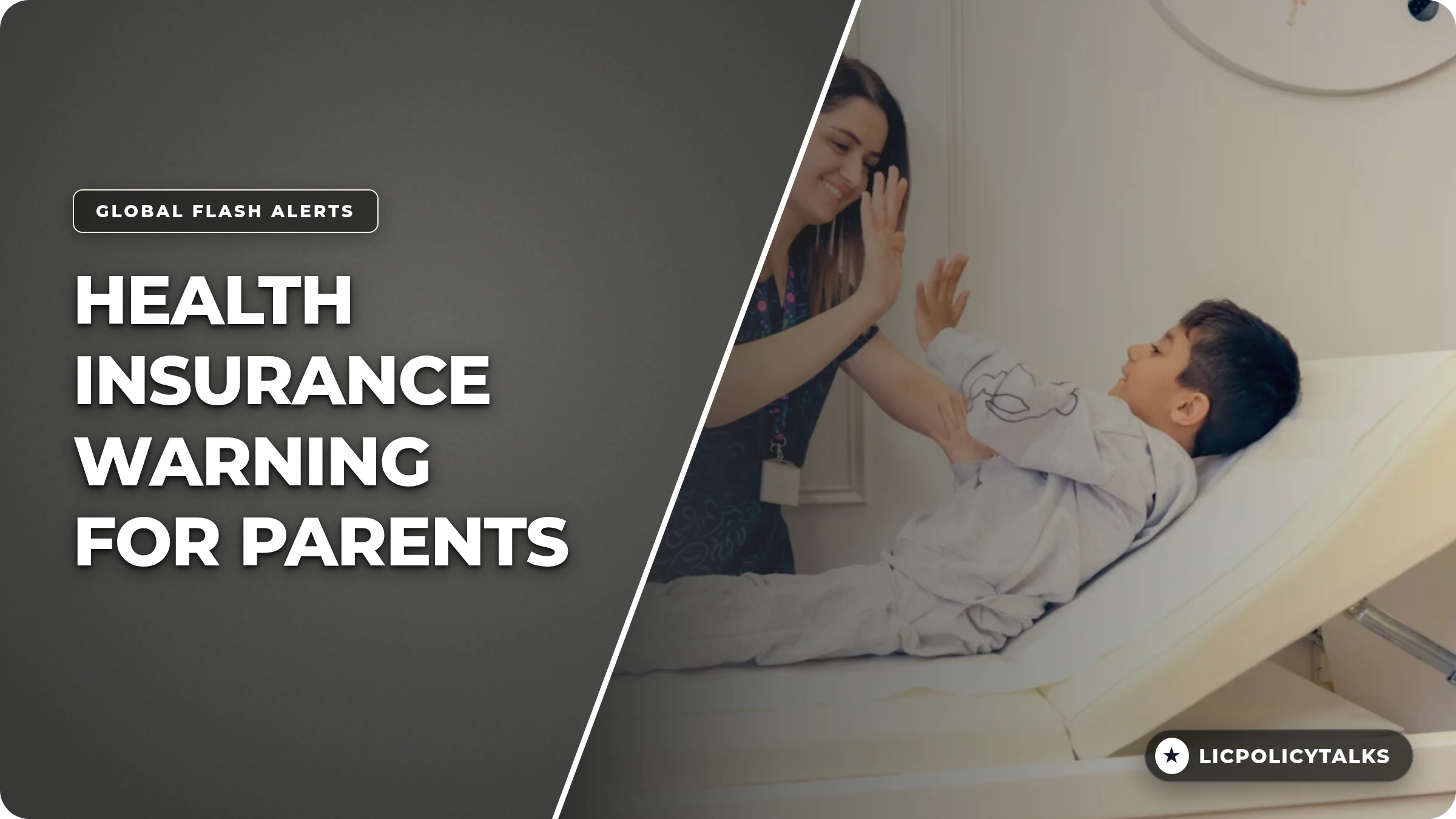
The first major financial development this morning comes from new CMS data showing that ACA premiums have jumped 20% in 2026, pushing the average monthly premium to $741. This is not just a number—it directly impacts families trying to afford health insurance for kids. With 1.2 million fewer enrollments this year, many parents are now looking for cheaper alternatives like CHIP or child-only plans.
Finding affordable health insurance for kids is more challenging than ever. With ACA marketplace premiums rising and employer plans becoming costlier, parents need to explore all options to ensure their children are covered without breaking the bank.
Quick Highlights: Your Action Plan for Kid’s Health Insurance
- CHIP is free for eligible families – act now before income changes.
- ACA premiums jumped 20% in 2026 – consider child-only plans.
- Blue Cross Blue Shield offers child-only policies – compare with marketplace.
- Need immediate help? Go to healthcare.gov or your state CHIP portal.
Why Health Insurance for Kids Just Became More Critical
ACA Premiums Jump 20% in 2026 – Families Hit Hardest
According to a Swansea woman’s health insurance saga, the average marketplace plan premium increased 20% to $741 per month. Out-of-pocket costs soared 50% when subsidies expired. In Illinois, premiums rose 21% to $816, and enrollment fell almost 4% to 450,000. One family saw payments jump from $100 per paycheck to $450 per paycheck—that’s $700 more monthly. This is where most families quietly lose their ability to pay for health insurance for kids. Centers for Medicare and Medicaid Services (CMS) data analyzed by Tim McBride highlight the severity.
Families with kids face impossible choices: pay higher premiums or go uninsured. The Swansea story shows even moderate-income families can be bankrupted. If you ignore these trends, you risk being caught off guard when your child needs care. “It’s like I’m getting a part-time salary,” one mother said after her premiums jumped.
What This Means for Your Child’s Health Insurance
As marketplace premiums surge, families should evaluate child-only plans (CHIP, private) vs. adding kids to employer plans. Importantly, health insurance for kids under 18 is often more affordable than adult coverage. Delaying coverage can lead to catastrophic medical debt. The Swansea bankruptcy is a stark warning. Most families don’t know that CHIP covers comprehensive benefits including dental, vision, and mental health. It’s often the cheapest option. A child’s asthma attack could cost thousands if coverage is inadequate—this is not a theoretical risk.
Free Health Insurance for Kids: CHIP and Alternatives
CHIP (Children’s Health Insurance Program): The Ultimate Free Option
CHIP provides free or low-cost health insurance for kids up to age 19 in families with incomes too high for Medicaid but too low for private insurance. Eligibility varies by state. The 1.2 million fewer ACA enrollments often mean uninsured children who could be on CHIP. Many families who think they earn too much for CHIP are wrong—state income thresholds are higher than people assume.
Action steps: 1) Check income limits at insurekidsnow.gov. 2) Apply through state CHIP agency. 3) If denied, explore marketplace with subsidies. CHIP covers recommended vaccines, including newer mRNA cancer prevention vaccines mentioned in our vaccine coverage analysis. Every month you delay CHIP enrollment is a month of potential uncovered medical bills.

Blue Cross Blue Shield Child Only Health Insurance: A Private Alternative
Blue Cross Blue Shield child only health insurance offers a private alternative for families whose income exceeds CHIP limits. These plans often have broader provider networks but are more expensive. This is for families above CHIP limits who still want dedicated kids coverage. BCBS child-only plans may not include dental or vision by default—always double-check the fine print. If you’re considering this, first check if your employer’s family plan costs less per child.
Cheapest Health Insurance for Kids: Compare All Options
Global health insurance premiums are expected to reach $8.95 trillion by 2035, according to global premium growth projections. In the U.S., the cheapest options ranked are: 1) CHIP (free/sliding scale), 2) Marketplace with subsidies, 3) Employer family coverage, 4) BCBS child-only. This comparison shows that the “cheapest” plan can be a trap if your child has a chronic condition—always factor in your specific utilization. Use the table below to see cost differences.
| Plan Type | Average Monthly Premium | Max Income Eligibility | Network Breadth |
|---|---|---|---|
| CHIP | $0 – $200 | Up to 200-400% FPL | Broad, but varies by state |
| Marketplace subsidized | $50 – $300 | Up to 400% FPL (with subsidies) | Often broad |
| BCBS child-only | $200 – $500 | No income limit | Very broad |
| Employer add-on | $100 – $400 | Employer-specific | Employer network |
How to Get Health Insurance for My Child: A 5-Step Guide
Step 1: Determine Eligibility for Free Coverage (CHIP/Medicaid)
Visit healthcare.gov or your state CHIP portal. Input income and family size. Children’s health insurance program eligibility is key: many families skip this step and pay for coverage they could get free. Don’t guess your income bracket—use the official federal poverty level calculator online. If you skip this step, you could be paying for coverage you could get free. In 2026, 1.2 million fewer people signed up for ACA; many children may qualify for CHIP instead.
Step 2: Compare Marketplace vs. Employer Coverage
If your employer offers family coverage, check the premium difference. In the Swansea example, the employer contributed $500, but the family still faced a $1,000 increase after subsidy loss. Your employer might contribute to premiums, but the total cost to you could still be higher than a marketplace plan with subsidies. Use the comparison table from the previous section to guide your choice. If you rely solely on employer coverage, losing your job means losing your kid’s insurance immediately—having a backup CHIP application ready is a safety net.
Step 3: Apply for Blue Cross Blue Shield Child Only Plans (If Eligible)
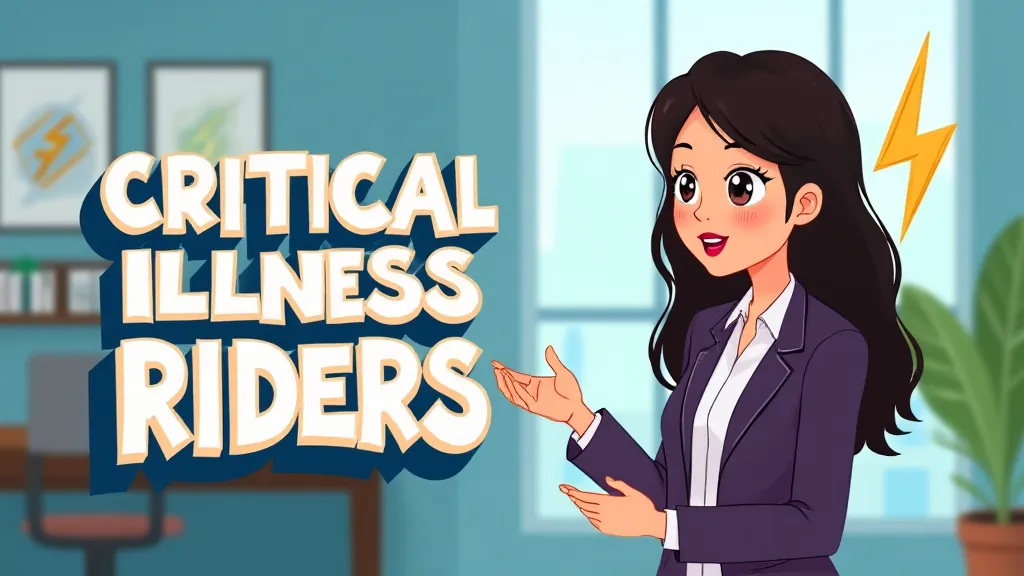
Some states offer BCBS child-only plans outside open enrollment. Check availability on BCBS local websites. Call BCBS or use an online quote tool. Blue Cross Blue Shield child only health insurance is a viable option if you miss CHIP eligibility. These plans often have limited open enrollment periods—miss the window and you may have to wait for next year. After securing child insurance, consider critical illness riders to filling coverage gaps for serious conditions.
Step 4: Don’t Forget Dental and Vision – Often Overlooked
Many kids have no dental coverage until an emergency. CHIP includes dental; private plans may not. Dental problems are a leading cause of school absenteeism. Investing in full coverage now prevents bigger costs later. A single root canal can cost $1,500—CHIP covers it; standalone plans often have waiting periods. Skipping dental means paying out-of-pocket for checkups, which adds up to hundreds per year per child.
Step 5: Reapply Annually – Premiums Change, Don’t Automatically Renew
ACA premiums rose 20% on average in 2026. Next year may bring similar hikes. Always shop around before renewal. Set a calendar reminder to revisit coverage during open enrollment (Nov-Dec). Assuming next year will be similar is risky—shopping the marketplace can save hundreds. Insurers adjust plan networks every year; a pediatrician covered this year may not be next year. Always verify before renewing.
Real Cost of Going Without Health Insurance for Kids – It’s Not Just a Premium
The Medical Debt Trap: One Family’s Story
A breast cancer diagnosis, a $700/month premium that jumped to $1,650, and ultimately bankruptcy—this is the bankruptcy risk families face without affordable coverage. The Swansea case shows that even with employer contributions, out-of-pocket costs rose 50% due to subsidy expiration. Free health insurance for kids through CHIP would have prevented this for the children involved. According to CMS data, out-of-pocket costs soared 50%—a critical detail that most families miss.
Why Kids Need Their Own Coverage – Even If You Have Employer Insurance
Many families assume adding kids to an employer plan is cheapest, but subsidy loss can make marketplace child-only plans more affordable. If you lose your job, kids lose coverage immediately. CHIP provides a safety net regardless of employment. Imagine you’re laid off tomorrow—your child loses your employer coverage instantly. A CHIP application that’s already submitted can bridge the gap. If your employer plan is expensive, check if individual child coverage plus a separate adult plan is cheaper—this is a common but overlooked strategy.
Frequently Asked Questions About Health Insurance for Kids
FAQs: Frequently Asked Questions
Q: What is the children’s health insurance program eligibility?
Q: Is CHIP health insurance good?
Q: How to get health insurance for my child if I lost my job?
Q: What is the best health insurance for kids?
Q: How do premium changes affect my child’s coverage?
Final Analysis: Take Action Now to Protect Your Child’s Health – and Your Finances
The biggest risk is not the premium itself but the assumption that current coverage will remain affordable. The Swansea story proves that even good insurance can lead to financial ruin if you don’t understand your plan’s limits. The market does not wait—a late decision locks in the loss. What looks small today can become a significant loss in 6 months. Take action now: check your CHIP eligibility at insurekidsnow.gov or visit healthcare.gov. Don’t let paperwork deter you—the application process is short.
This article is for general informational purposes only. It does not constitute financial, insurance, or legal advice. Health insurance regulations vary by state and may change. Consult a licensed insurance professional or visit official sites like healthcare.gov or insurekidsnow.gov for personalized guidance. Never base coverage decisions solely on this information.